
Warburg Pincus is leaning on diversification, operational platforms and a nimble investment approach to pursue growth opportunities across Asia Pacific despite escalating geopolitical tensions and volatile capital markets, the firm’s co-head of Asia real estate said Tuesday in the opening session of the Mingtiandi Singapore Forum.
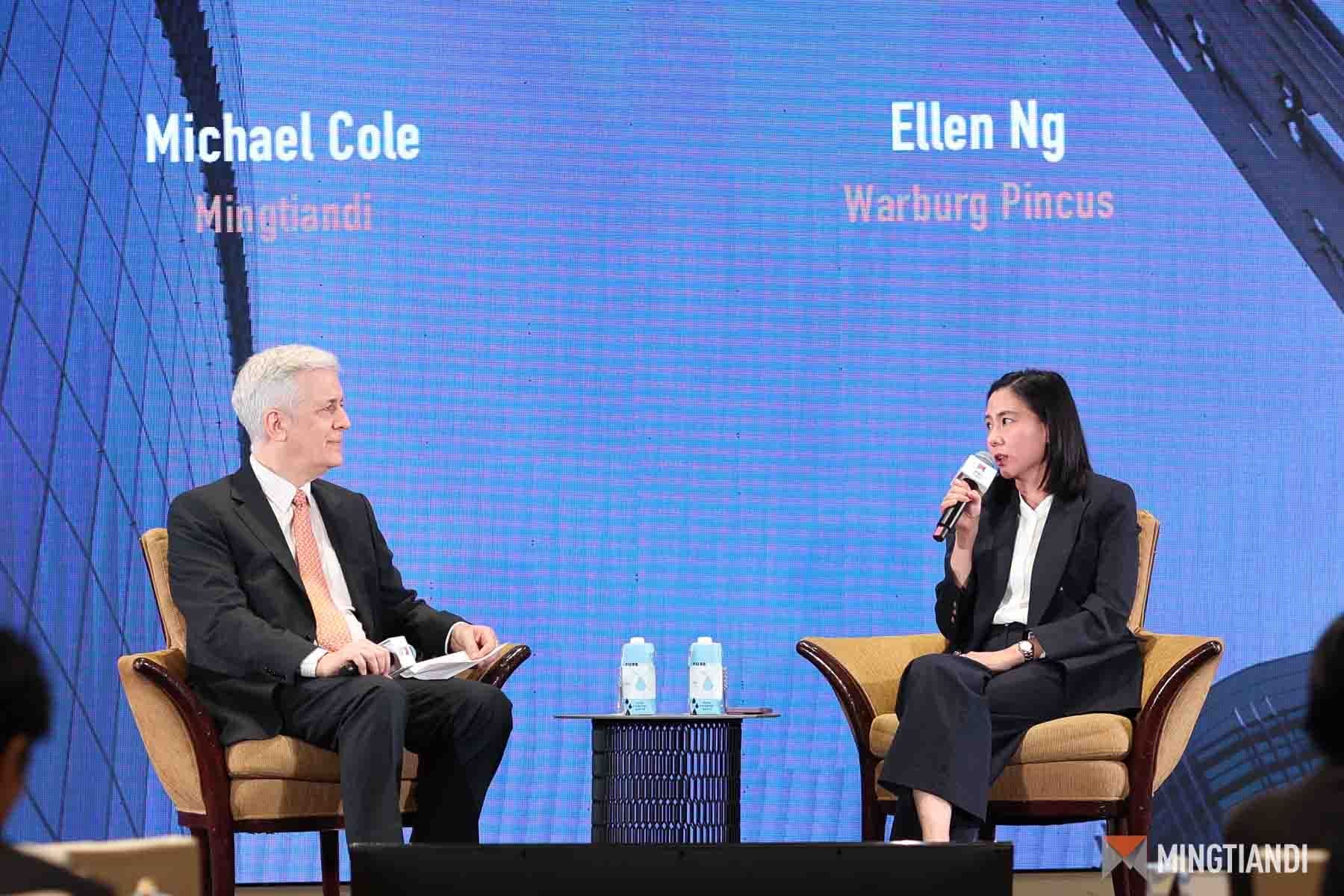
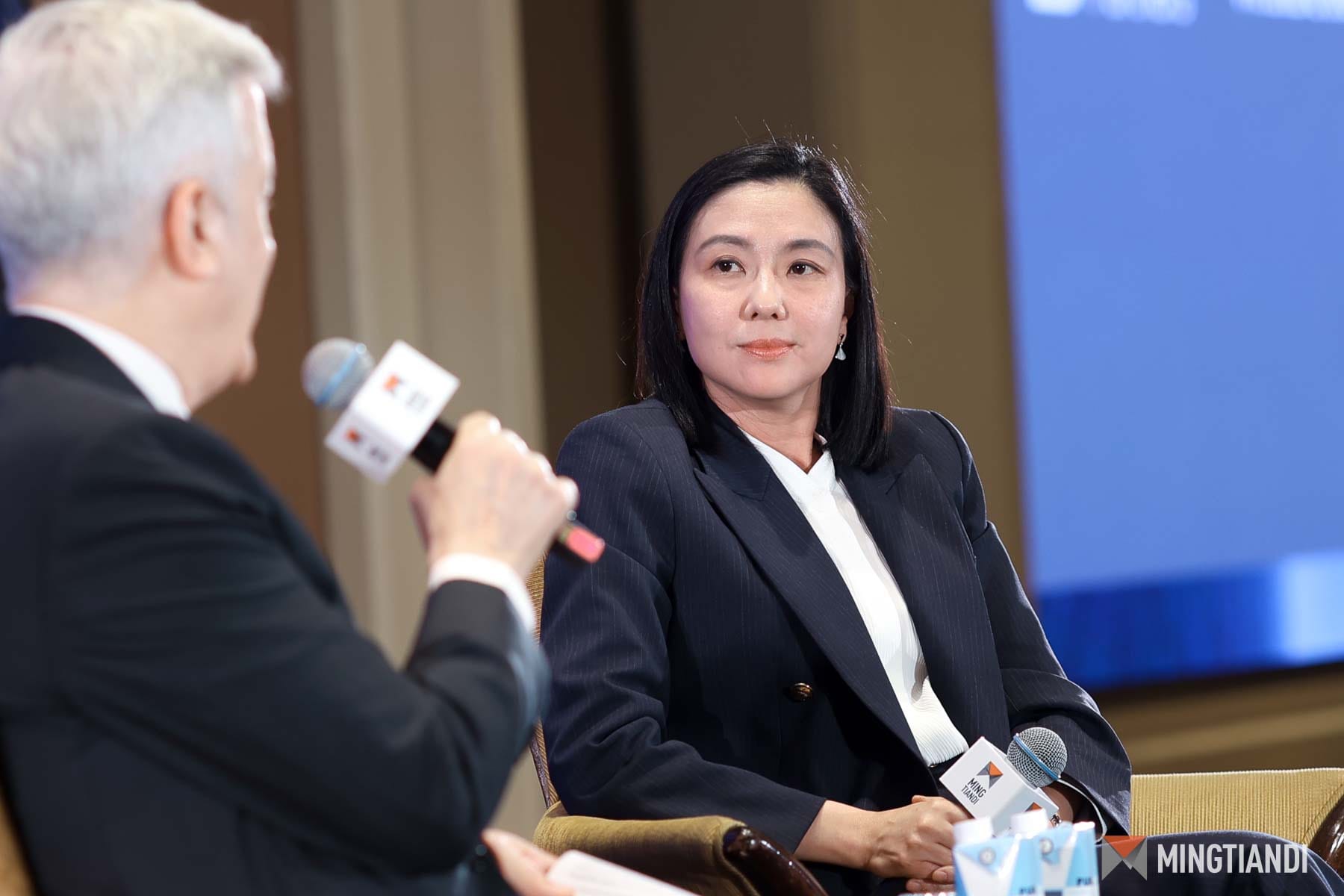
In an interview with Mingtiandi founder Michael Cole, Ellen Ng said the US private equity major sees secular growth trends and operational expertise as more dependable drivers of returns than attempting to time property cycles amid rising geopolitical uncertainty, shifting interest rate expectations and diverging economic conditions across the region.
“Change is a new constant in the current vintage,” Ng said, noting that many investors had expected a calmer 2026 after Asian economies weathered tariff-related disruptions last year. “Now that has proven not to be the case, and we are operating in a more complex and less predictable environment.”
The veteran investor said Asia Pacific remains resilient despite the impact of higher energy prices and war-related disruptions because the region benefits from underlying economic growth, strong domestic capital sources and comparatively limited direct exposure to geopolitical flashpoints.
No Broad Brush
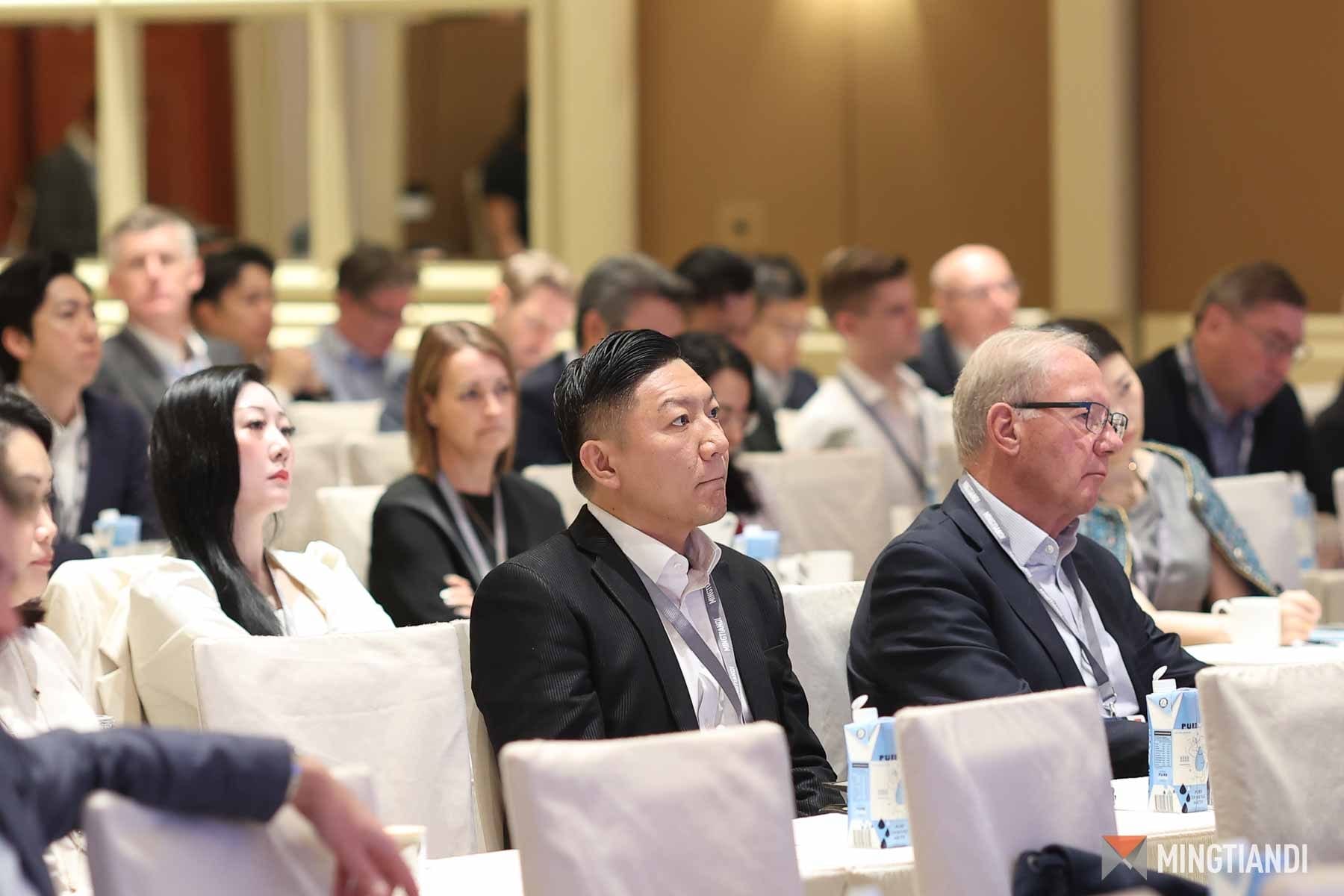
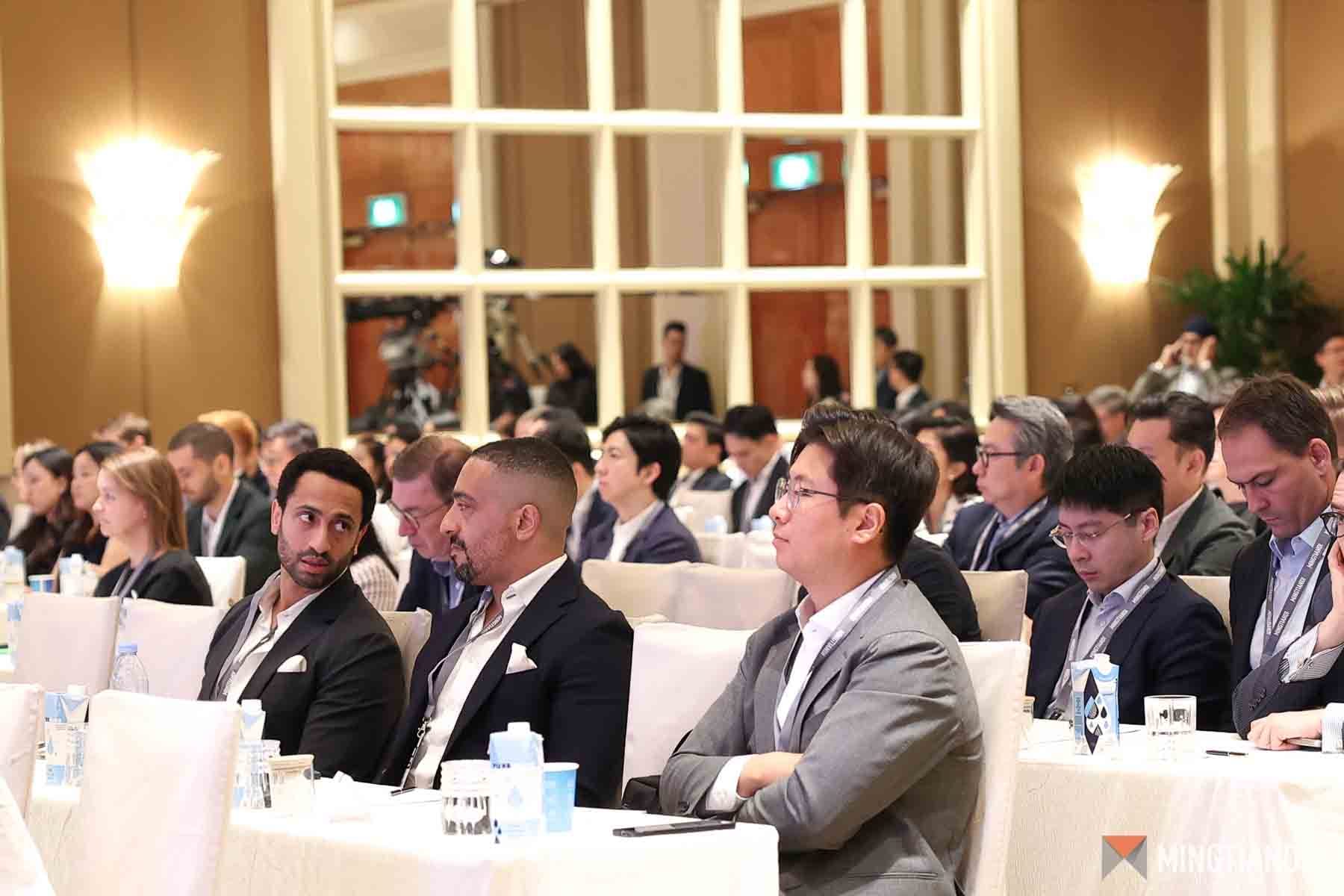
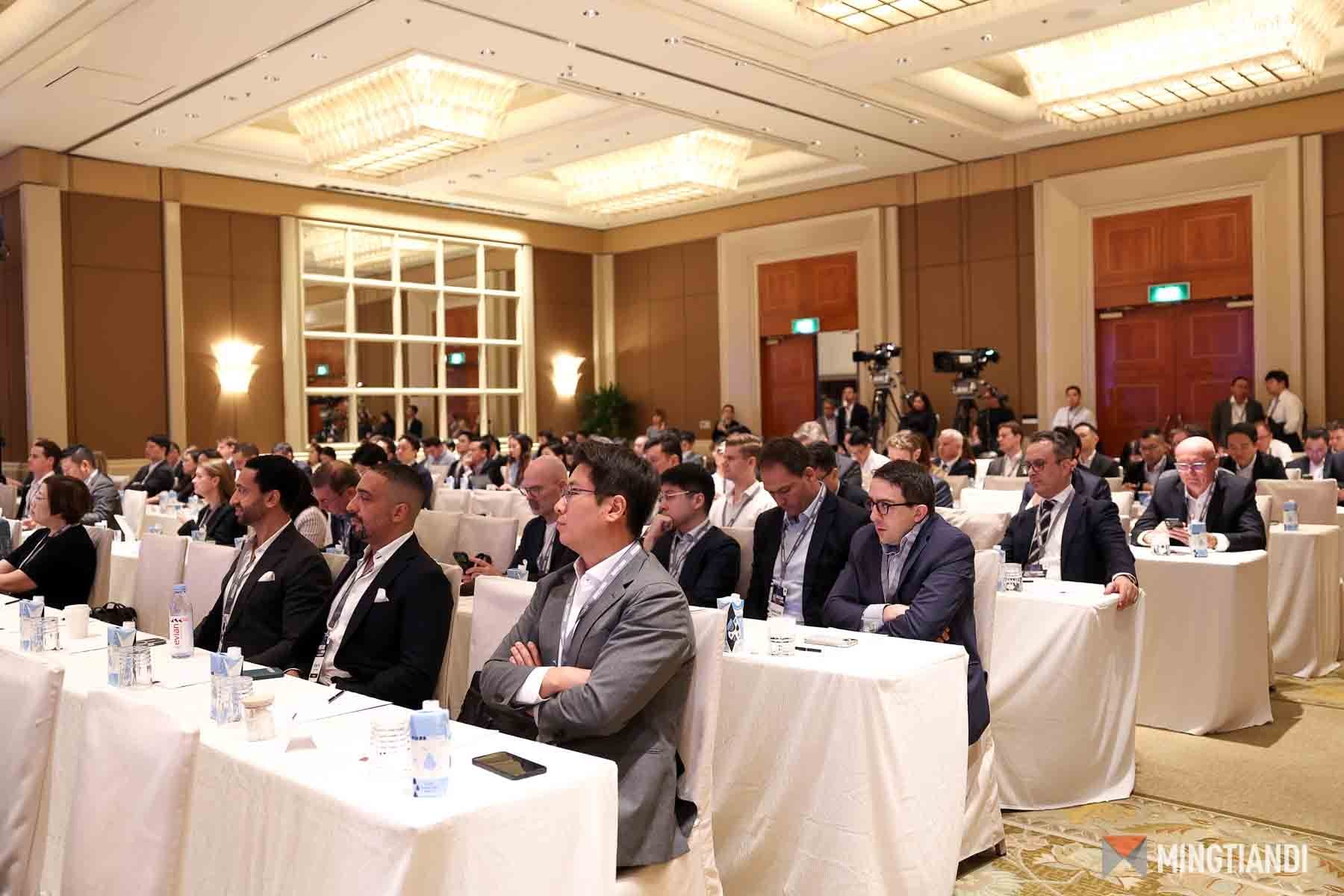
“In Asia, although we’re not immune to the impacts of rising energy prices, we are less directly impacted by current global conflicts ,” Ng told the audience of more than 300 senior industry leaders at the event, which was sponsored by Yardi. “As a region, I think Asia is doing very well.”
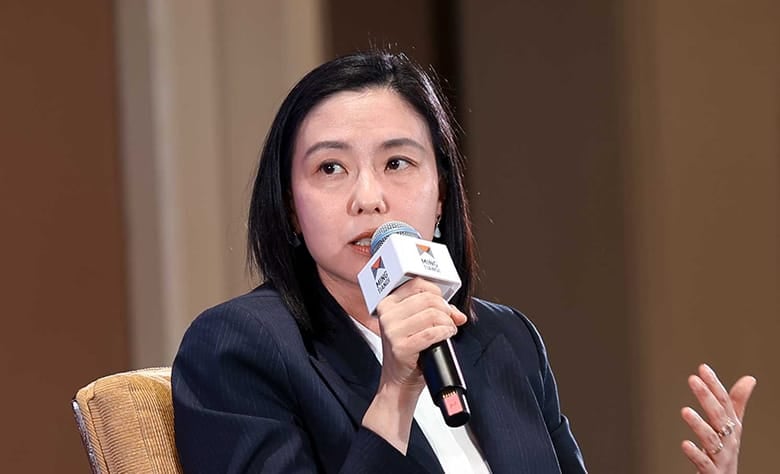
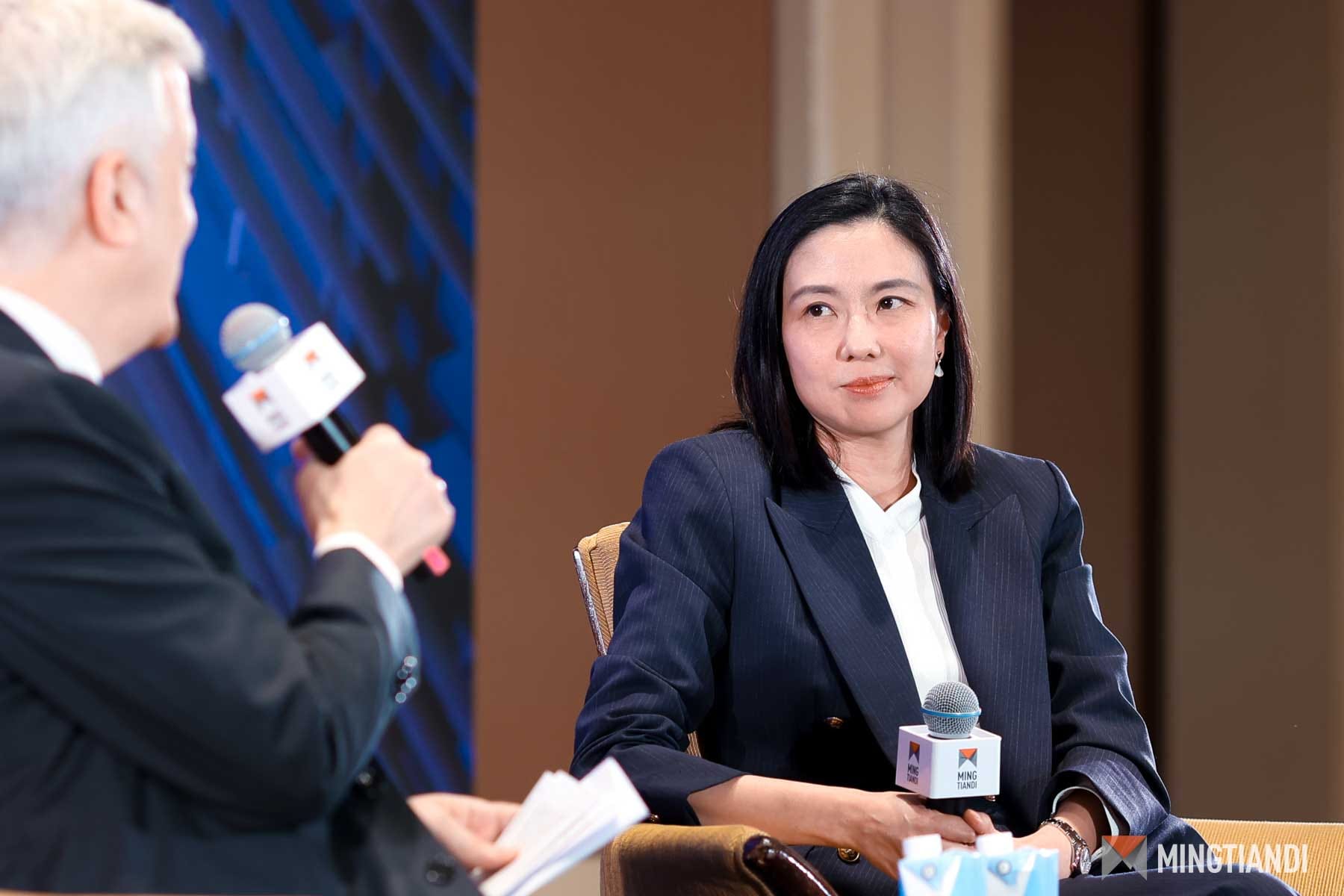
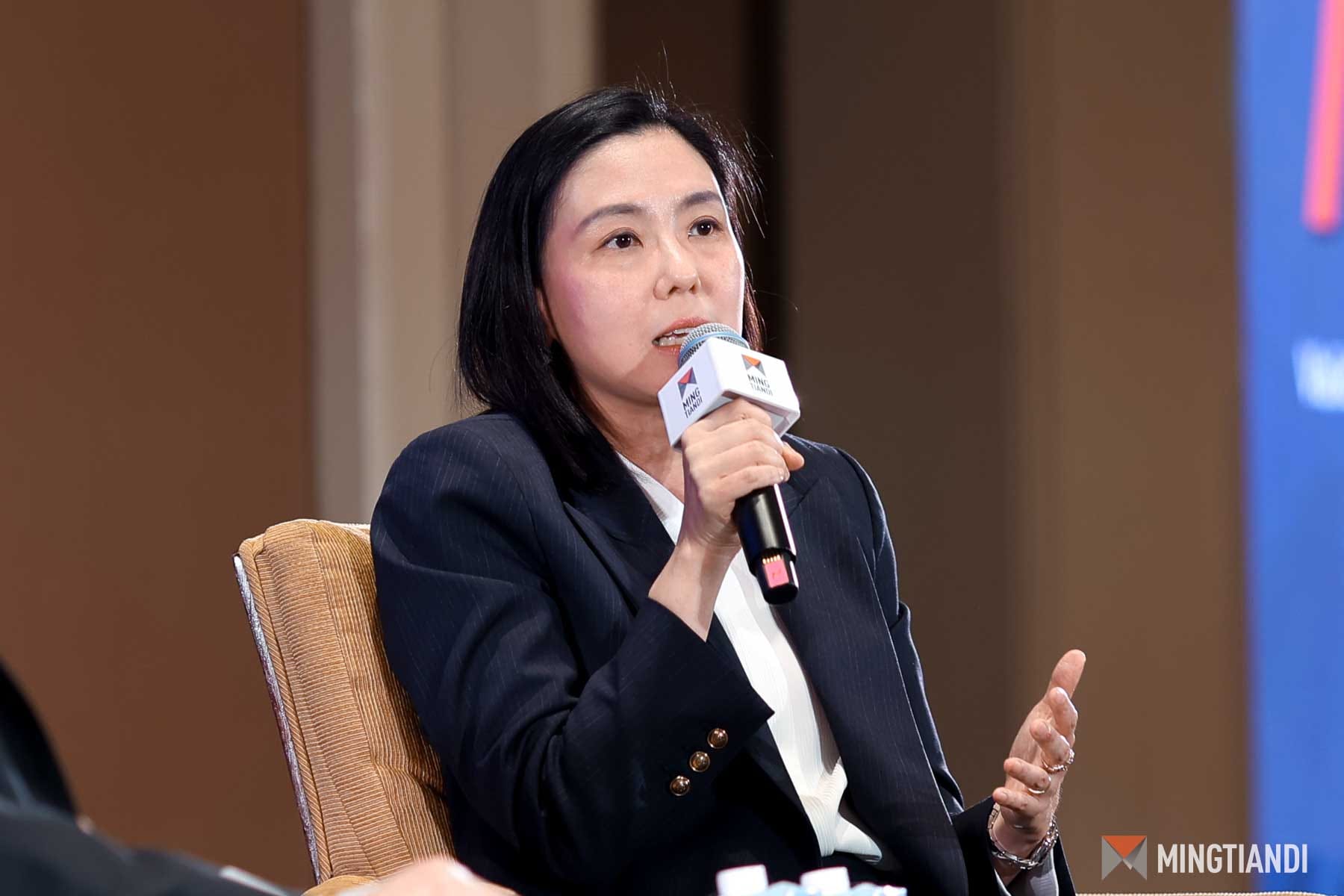
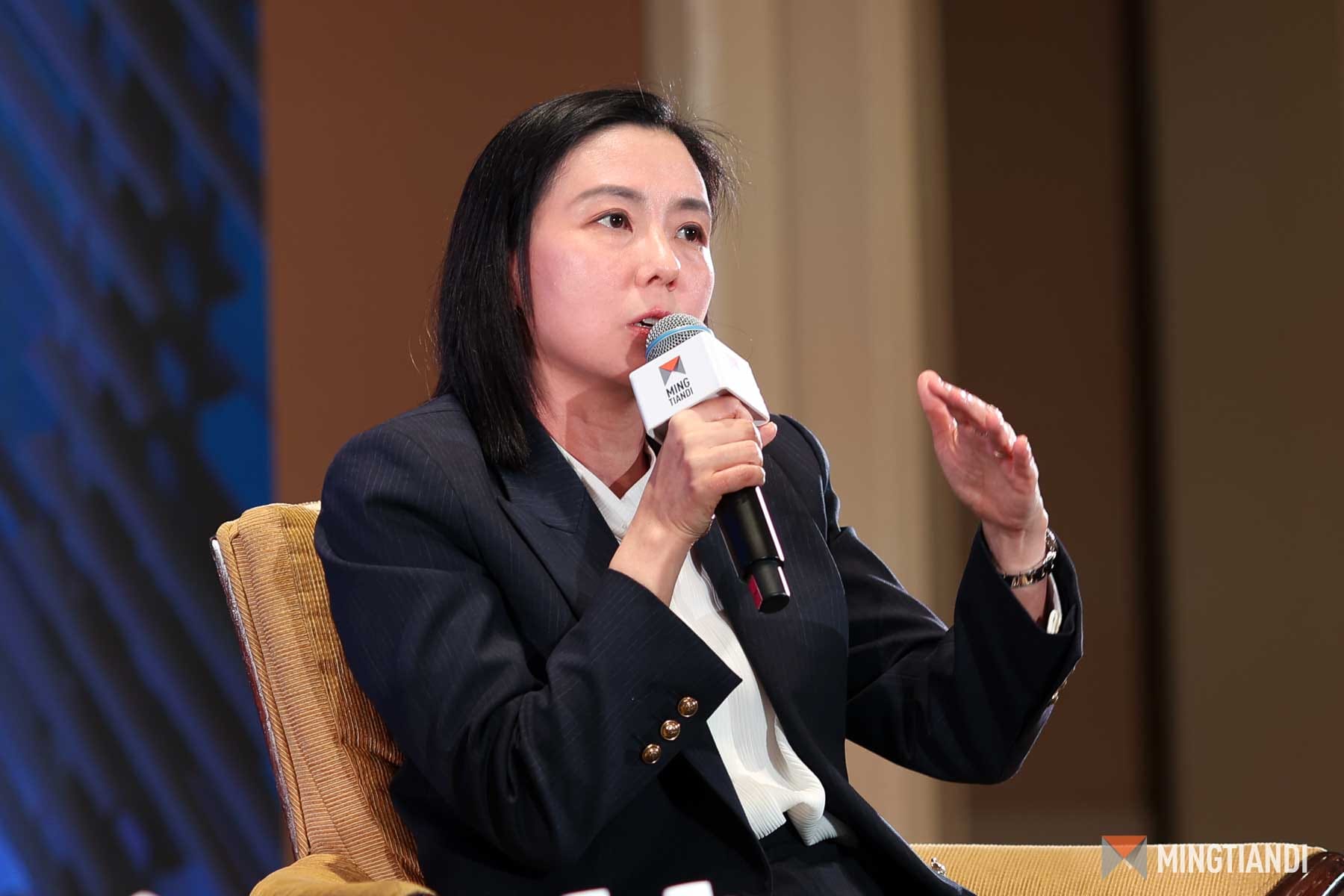
Warburg Pincus managing director and co-head of Asia Real Estate, Ellen Ng (Image: Mingtiandi)
The executive said Warburg Pincus has maintained a diversified strategy across Japan, South Korea, Southeast Asia, Australia and China, with each market offering distinct secular growth themes and in varying positions in the interest rate cycle.
“We’ve never looked at Asia with a broad brush approach,” Ng said. “Diversification is something that we think is a very important tool in the current market.”
Ng added that global investors are increasing allocations to Asia as they seek diversification beyond Western markets, while intra-Asia capital flows are also accelerating as Japanese and Australian institutions expand regional investment mandates.
“We’re seeing more capital back into Asia, which is an under-invested region to start with,” she said.
Platform Model
Warburg Pincus, which has invested more than $10 billion in Asia real estate since entering the sector in 2005, focuses on building operational platforms and capabilities rather than relying primarily on traditional asset acquisitions. The firm appointed Ng and Takashi Murata as co-heads of Asia real estate in 2023 as it expanded investments across logistics, living, digital infrastructure and life sciences.
In Japan, Warburg Pincus is evaluating privatisations and corporate carve-outs tied to governance reforms and activist shareholder pressure. With higher construction costs, it makes more sense in some markets to buy than to build,” Ng said.
Within the living sector, Warburg Pincus favours strategies tied to affordable rental housing and demographic shifts because of their resilience and recurring cash flow characteristics during volatile periods.
“Living as a sector is probably as resilient as you can get across asset classes,” Ng said.
The firm backs Tokyo Beta, which she described as the largest affordable housing portfolio in the Japanese capital, alongside Shanghai rental housing venture Vlinker and a senior housing venture in Seoul. Warburg Pincus also supports regional apartment specialist Weave Living, which has expanded its flexible living offerings across Asia’s key gateway cities.
“We are most focused on the broadest affordable housing part of that pyramid because that’s where you have the biggest catchment and most essential demand,” Ng said.
Digital Landscape
The executive also highlighted the firm’s long-standing exposure to digital infrastructure, including through Princeton Digital Group, a pan-Asian data centre operator co-founded by Warburg Pincus, saying artificial intelligence demand continues to reshape the sector.
“The tailwinds for the sector in Asia, I think, will continue. This is just the beginning,” she said.
At the same time, Ng warned that competition is intensifying even as hyperscale demand expands, with some operators struggling to finance projects on time despite securing customer contracts.
“Capital and power are probably the more constraining resources compared to leasing contracts at this point,” she said.
Beyond data centres and living, Ng pointed to life sciences and self-storage as examples of specialised sectors benefiting from changing economic conditions and evolving consumer behaviour across Asia.
She cited Vita Partners — the life sciences platform carved out from Lendlease’s construction management business — as an example of under-supplied institutional infrastructure tied to the maturation of regional healthcare and biotech industries.
Warburg Pincus also continues to expand self-storage operator StorHub, cold storage investments in Japan, last-mile logistics in Australia and industrial facilities in Vietnam as it targets specialised industrial subsectors linked to urban density, rising affluence and shifting supply chains.
“The focus is to go deeper and identify new opportunities in rising subsectors with the strongest growth runway” Ng said.
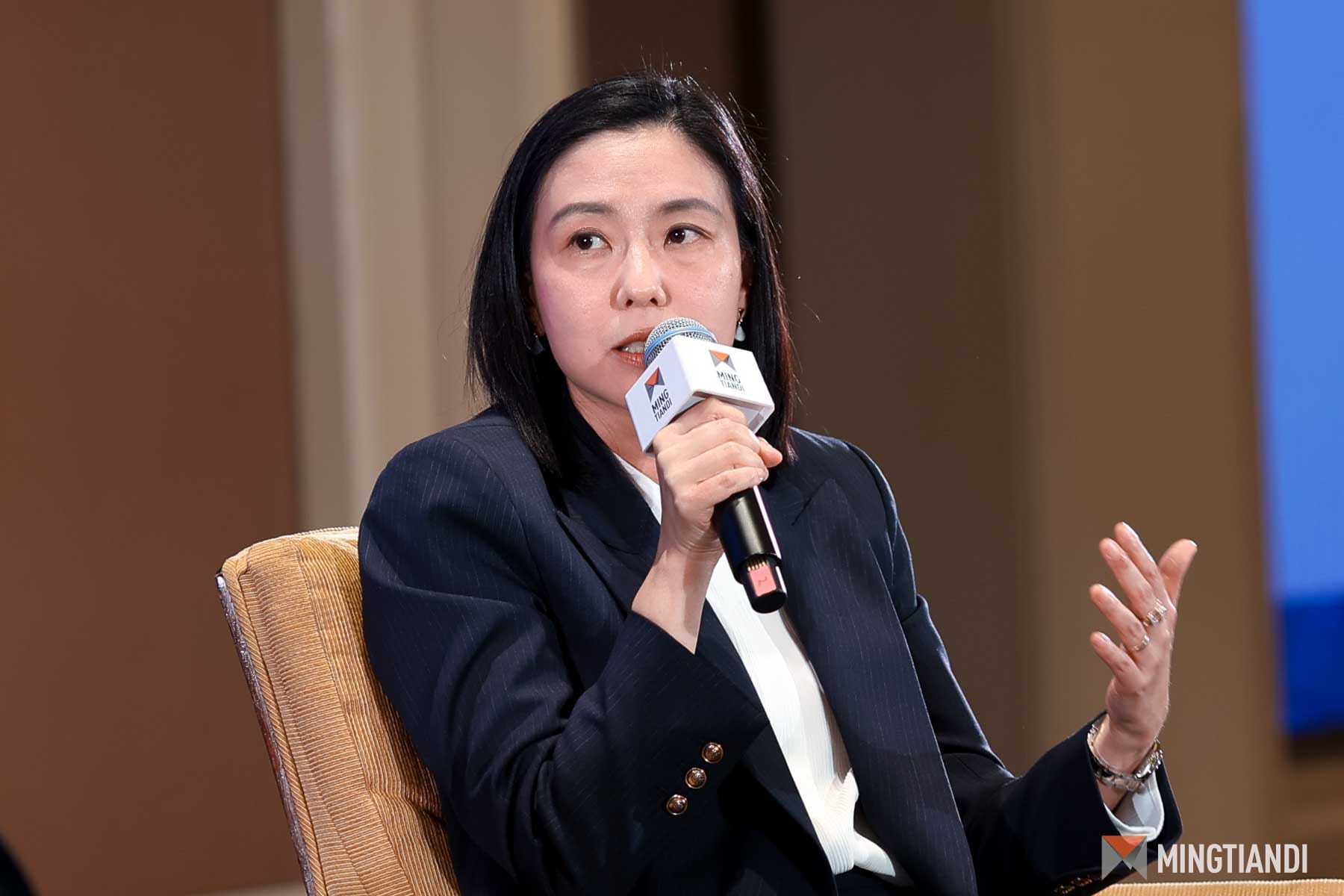
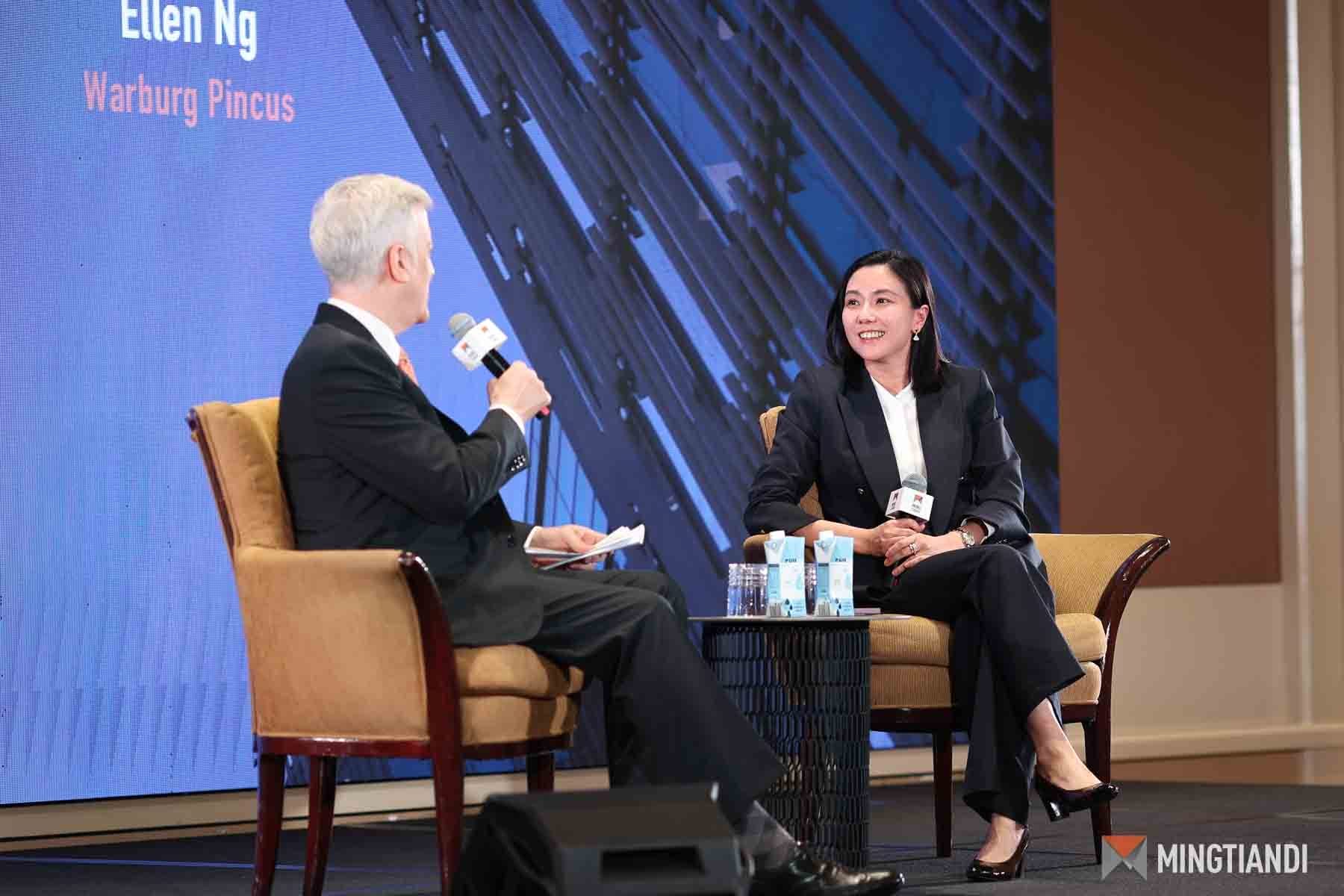
An Interview in Pictures
Leave a Reply