
China’s warehouse market is poised for a rebound, with take-up by a growing list of tenants surpassing new supply to push average occupancy to near pre-COVID levels, according to a top executive from logistics developer and fund manager GLP.
Speaking at the Mingtiandi Singapore Forum on Tuesday, Angela Zhao, chief executive of GLP China said that with occupancy rising, rents at some of the company’s mainland warehouses are already heading northward, as a slowdown in new development is helping the market work through an overhang of pandemic-era warehouse projects.
“Based on our experience in China, once the average occupancy comes back to 85 percent, the rental rate starts to grow,” Zhao said at the forum, which was sponsored by Yardi. “In the first quarter of this year, we noticed that our new site leases already achieved an average 4.6 percent rental growth. This is very encouraging to the team.”
Zhao sees a flood of pandemic-era logistics supply receding, and tenant appetites returning with net take-up of China warehouse space during the fourth quarter of last year surpassing new supply for the first time in three years, pushing average occupancy to 83 percent by the end of 2025.
Domestic Tenants Dominate
Zhao, who was promoted to the top position at GLP China in January after previously leading the company’s mainland logistics business, said e-commerce demand remains a key driver of the firm’s logistics business, with online shopping providers such as Alibaba and related service providers accounting for between 40 to 50 percent of GLP’s customer base in China, while online grocery delivery providing a fresh source of demand.
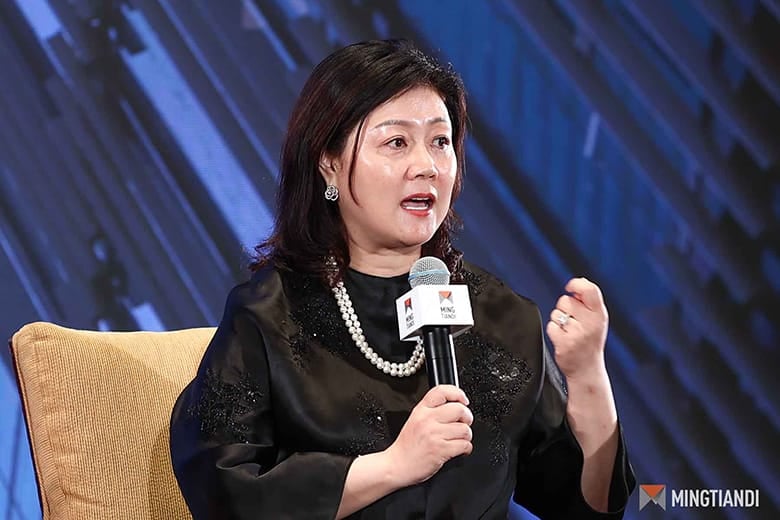
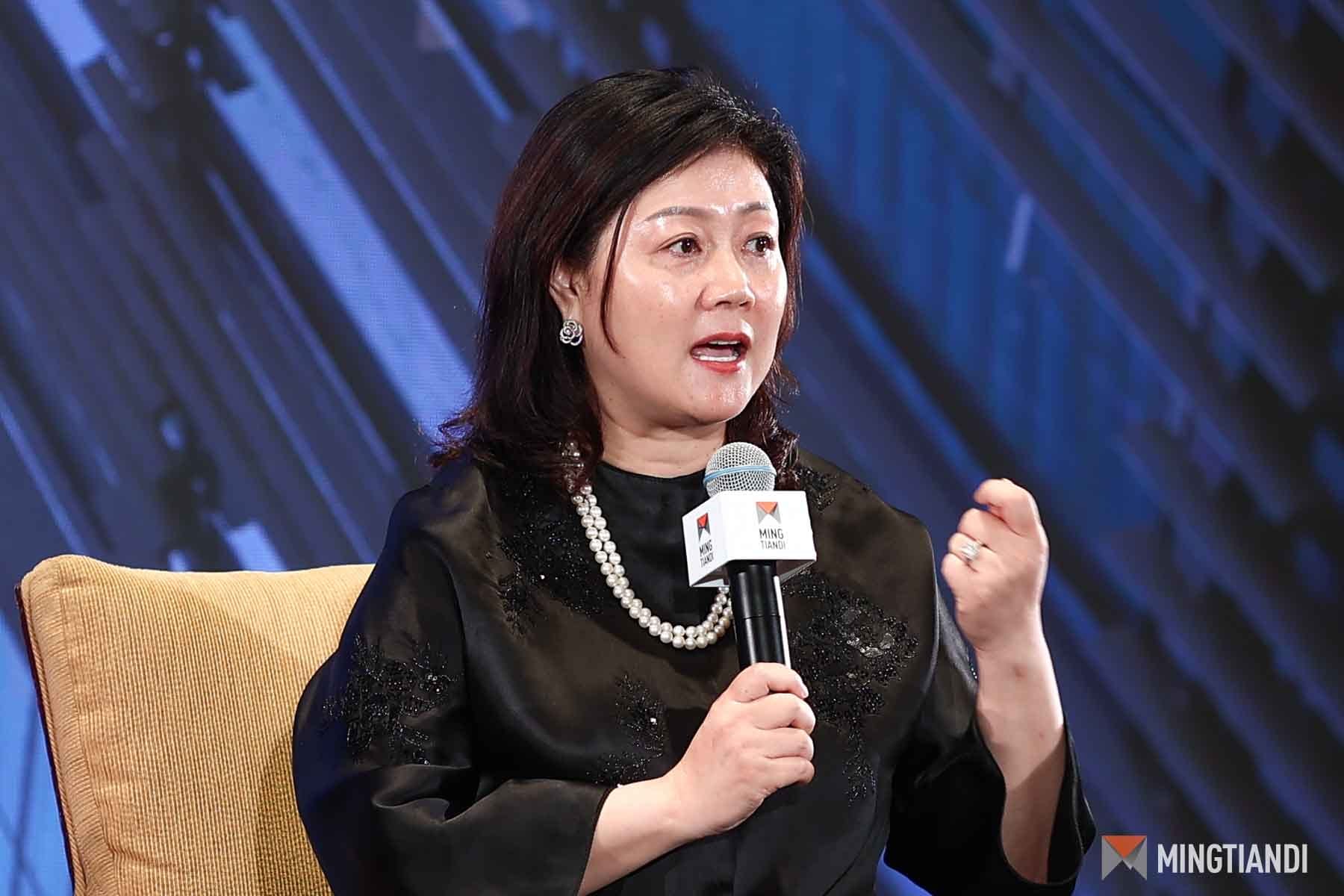
GLP China CEO Angela Zhao at the Mingtiandi Singapore Forum 2026
“Shopping online is the daily life for Chinese consumers no matter what the age of the consumer is,” said Zhao. “Even international supermarket chains that come to China, such as Walmart and Costco, keep about 30 percent of their sales online.”
These international supermarket chains are popular with Chinese consumers favouring value for money and currently enjoy double digit annual sales growth in China, which creates more warehouse demand, she said.
GLP is also benefiting from major occupiers consolidating operations into its facilities, where these supply chain giants can invest in tech infrastructure which helps improve logistics efficiency.
“One of our very important customers, Adidas, is investing almost RMB 1 billion ($147 million) in automation systems in their warehouse space to support their sales and improve their logistics efficiency,” Zhao said.
Data Centres as New Growth Engine
Beyond its core logistics business, GLP China is prioritizing data centres as its second growth engine, with the company achieving 32 percent revenue growth in its digital infrastructure business last year.
GLP began investing in data centres in China in 2018 and has secured 1.4 Gigawatts (GW) of IT capacity to date by focusing on opportunities to convert existing warehouses into data centre facilities.
“If we were starting from land we may not meet and fulfill that requirement,” said Zhao. “That’s the kind of synergy that GLP leverages in the existing warehouse space.”
The company is also achieving benefits from alignment between its growing data centre division and a renewable energy business which includes GLP managing China’s largest portfolio of renewable energy generated from rooftop solar panels, according to Zhao.
The power from that rooftop solar is providing renewable energy for its data centre customers, which helps them to meet their efficiency goals.
Tapping Insurer Capital for Growth
With liquidity increasingly important in China’s real estate markets, Zhao pointed to GLP’s growing relationships with local insurance companies as helping to provide exit opportunities for its fund investors.
To date, GLP has raised approximately $14.5 billion in assets under management from RMB income funds, working with 140 domestic investors, including 30 local insurers, according to Zhao.
“I think it’s because we demonstrate ourselves as one of the best GPs and asset managers in the market,” Zhao said. Shed added that, “They (insurers) look at both the location and quality of the assets, and also the capability of the asset managers.”
Reuters reported in March that GLP is planning an initial public offering in Hong Kong with a targeted valuation of about $20 billion, with Zhao declining to comment on the IPO plan.
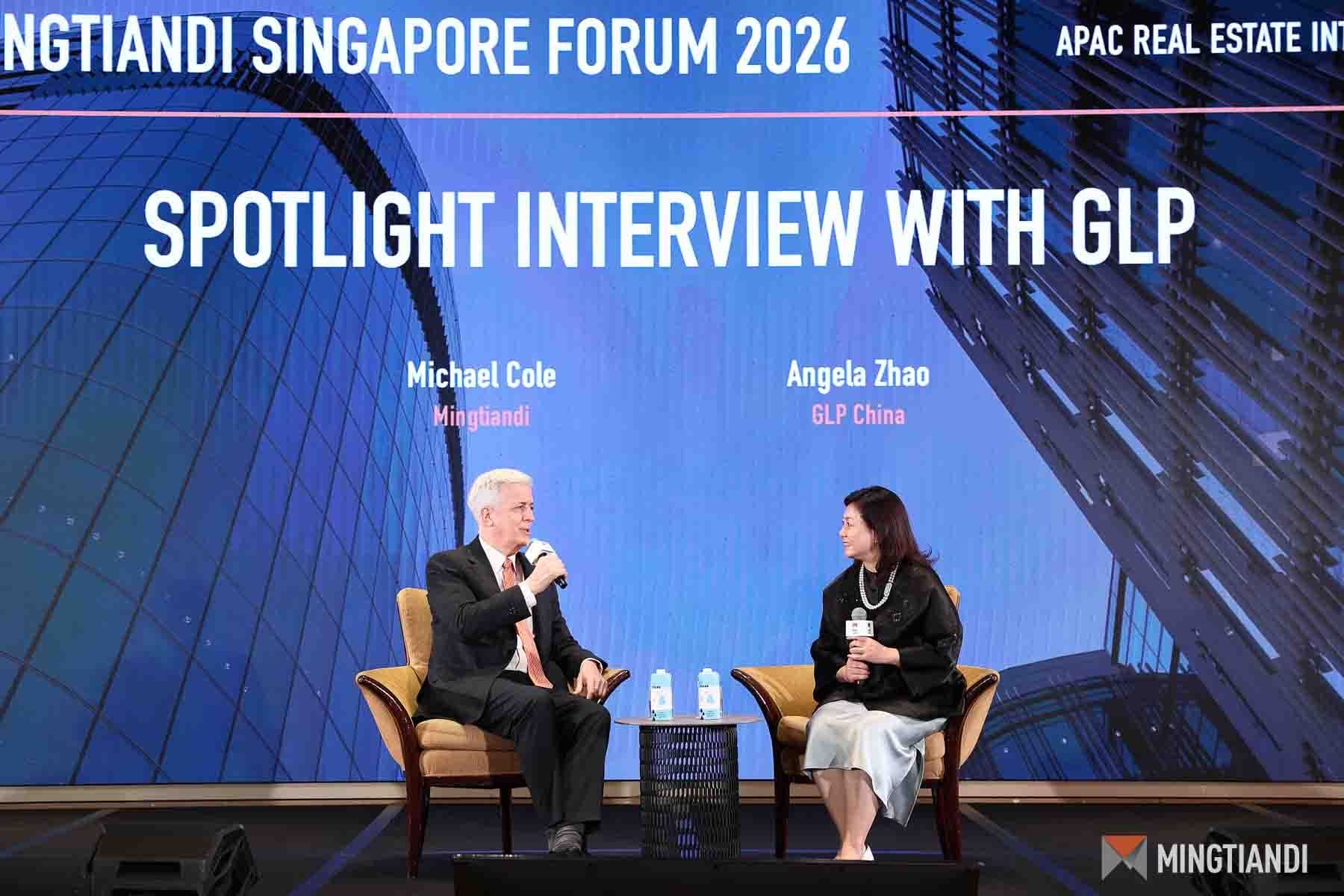
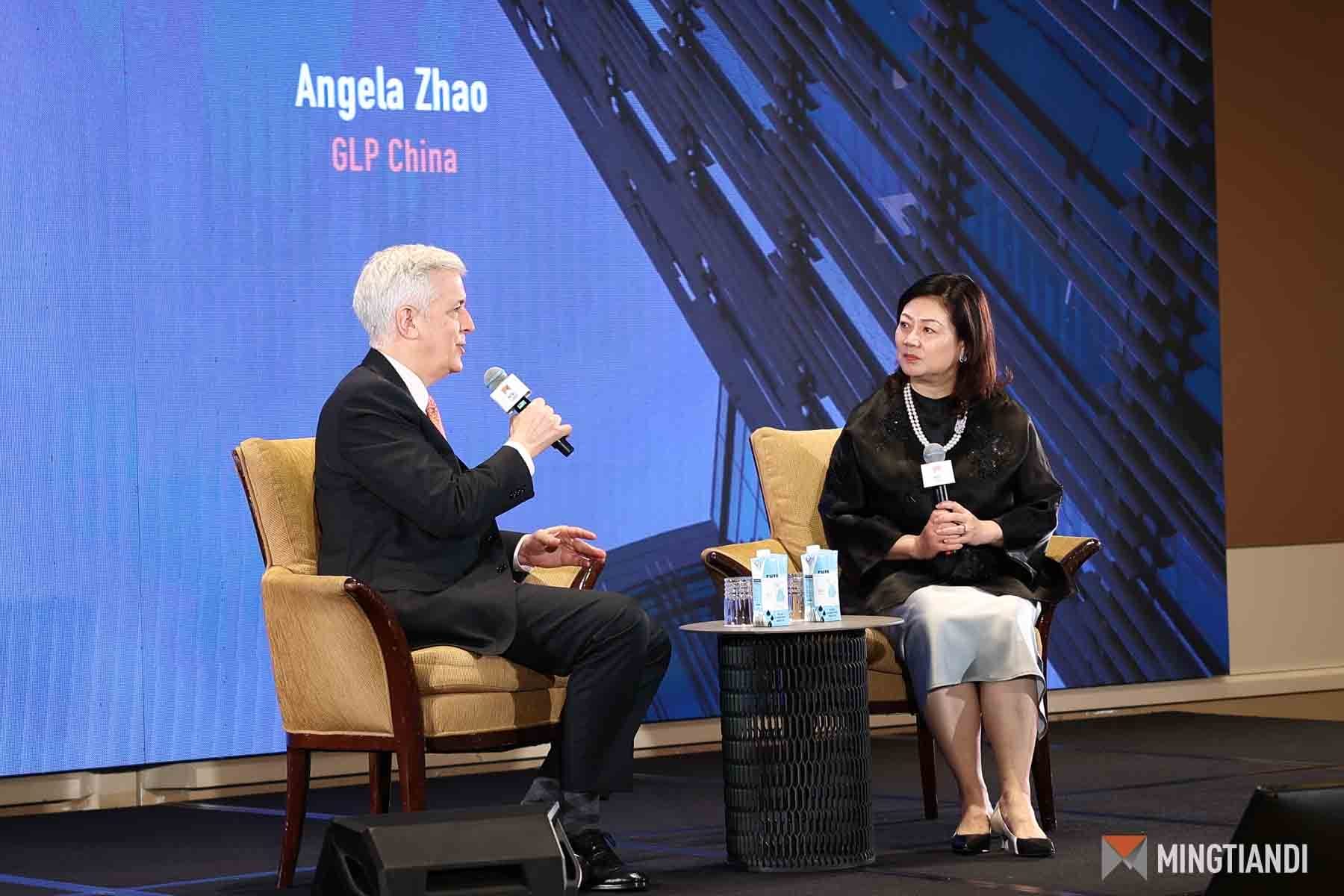
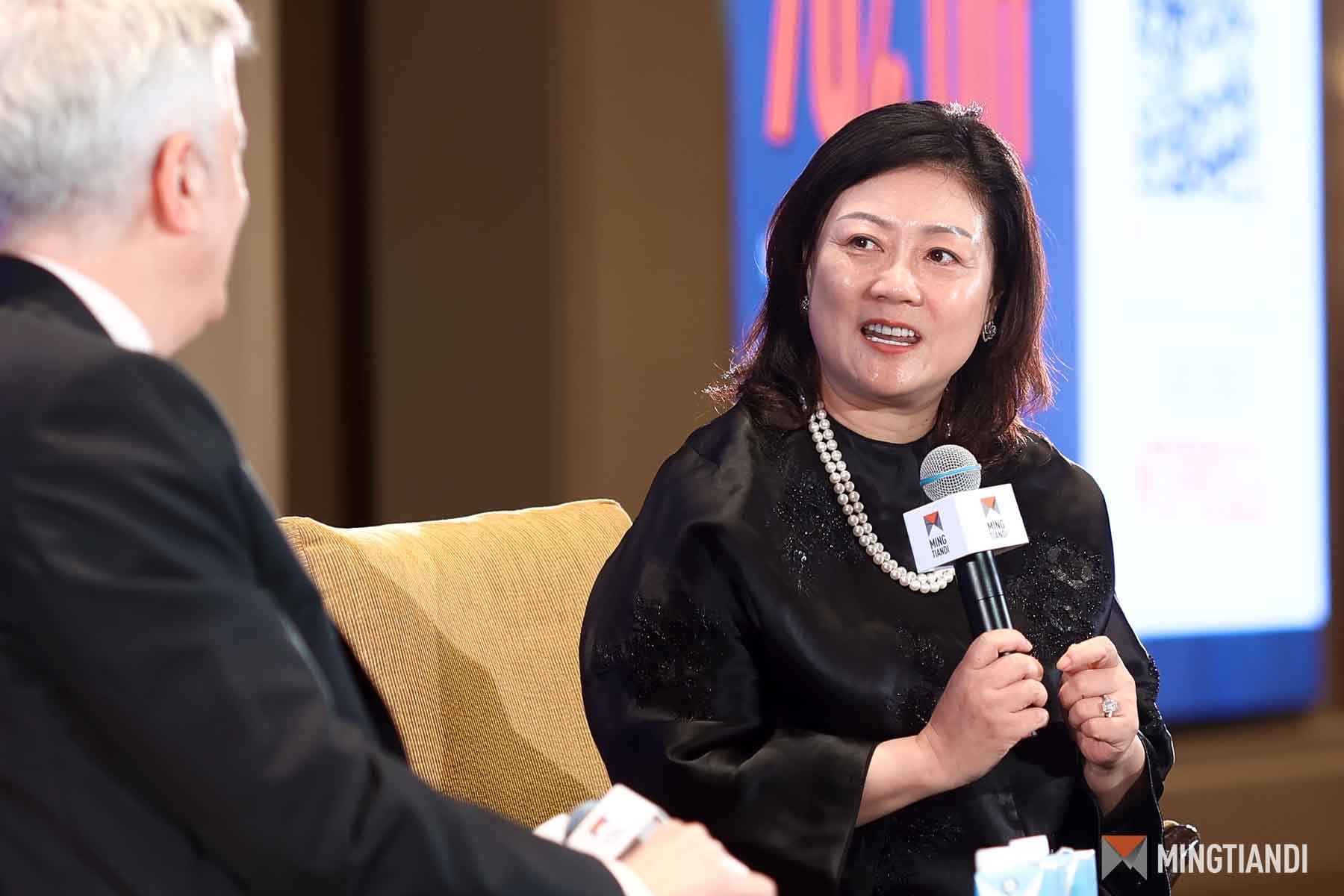
An Interview in Pictures






Leave a Reply