
Asia Pacific residential investors are increasingly targeting operationally intensive housing strategies as changing demographics, shifting lifestyles and volatile markets reshape demand across sectors including co-living, student housing and worker accommodation, speakers said Tuesday at the Mingtiandi Singapore Forum.
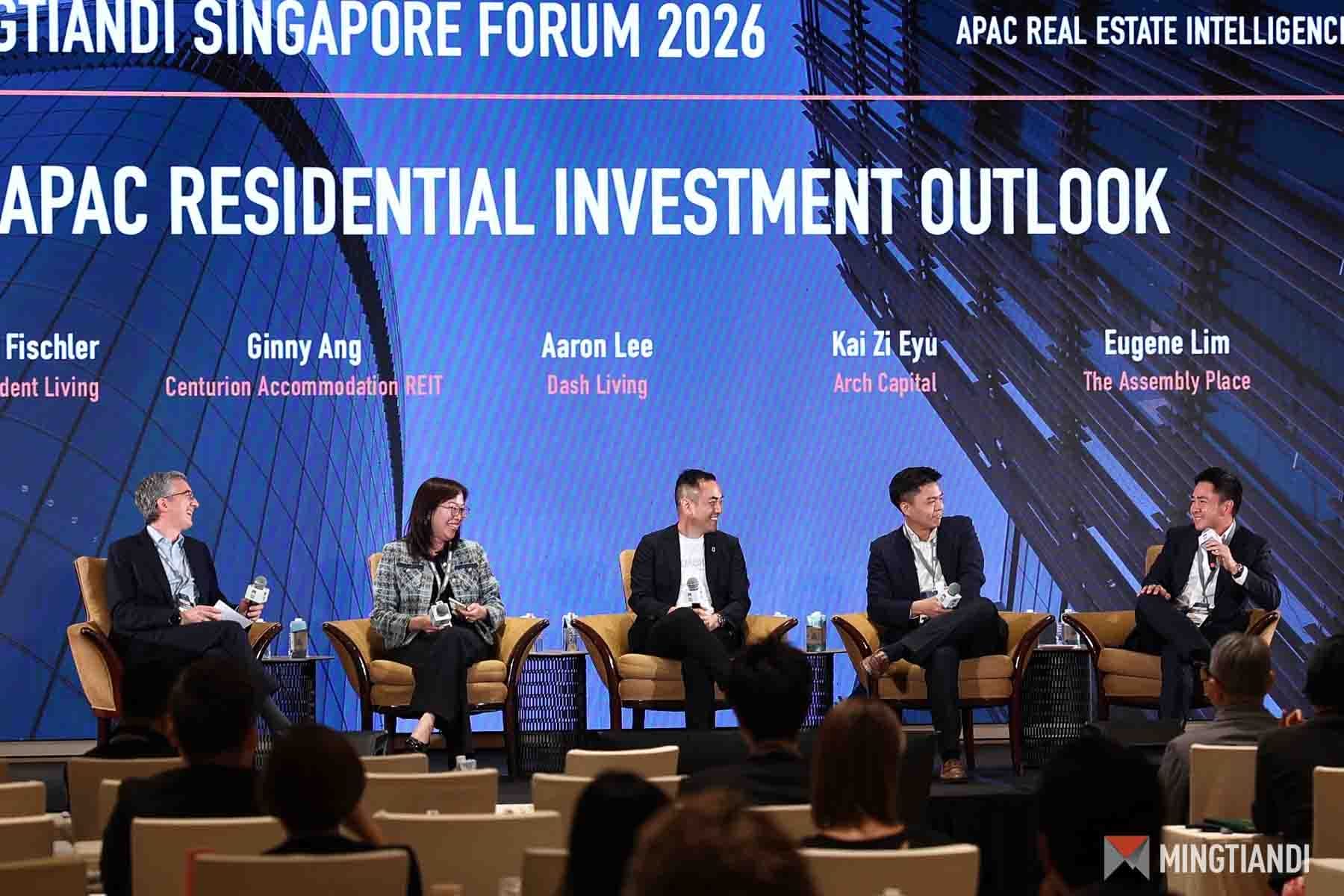
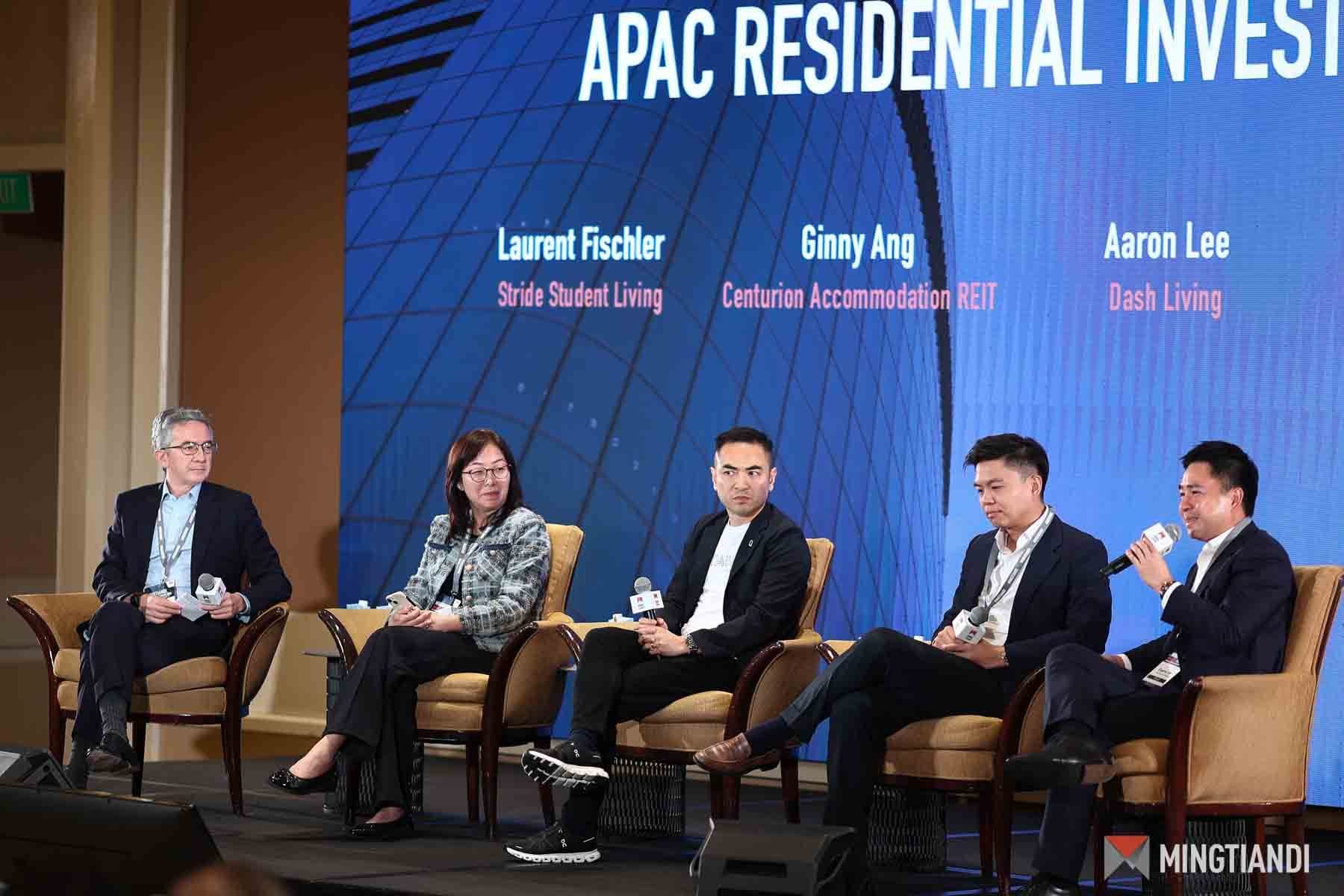
Executives from Dash Living, Arch Capital, The Assembly Place and Centurion Accommodation REIT said investors are prioritising specialist operators capable of actively managing assets and responding quickly to tenant behaviour changes.
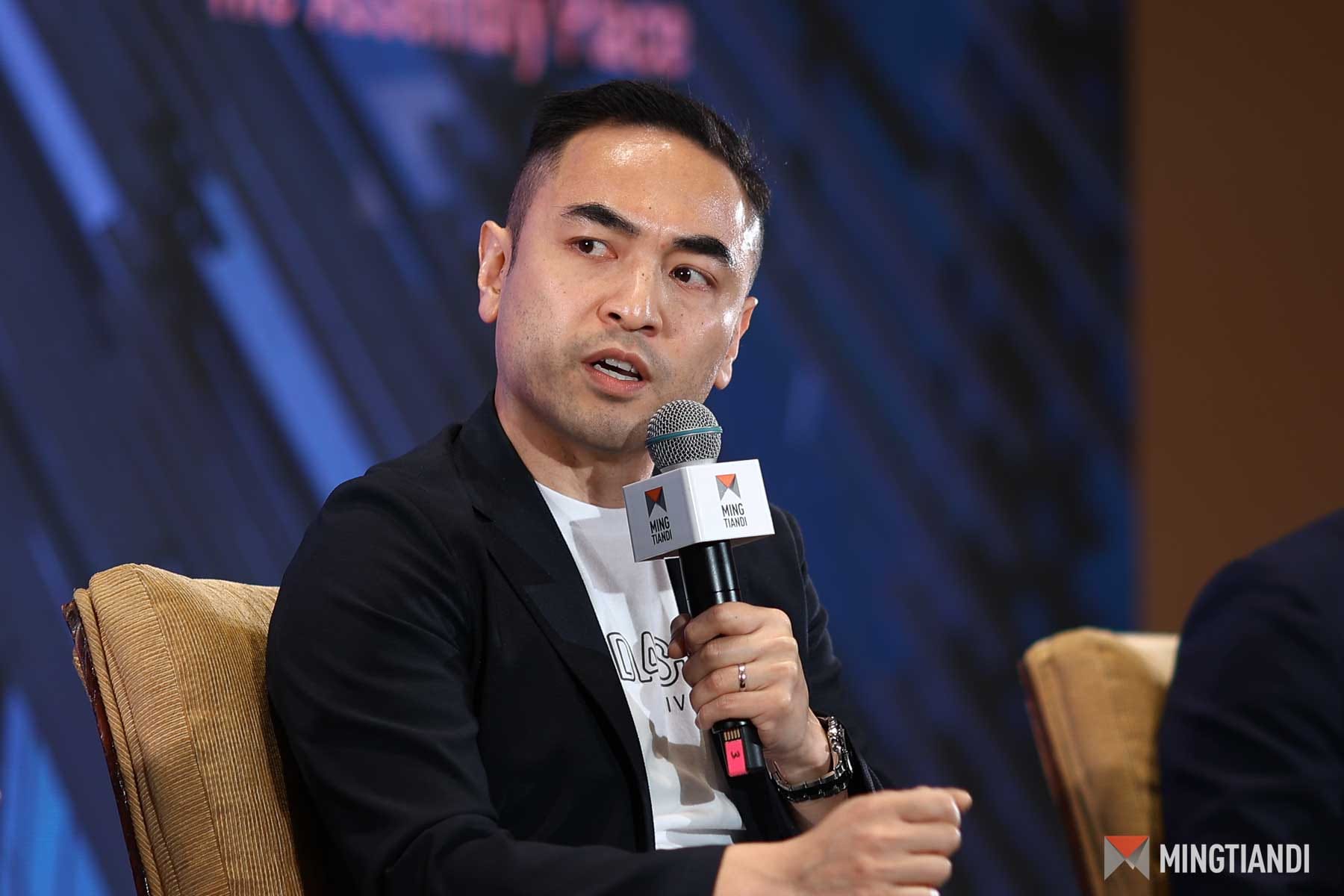
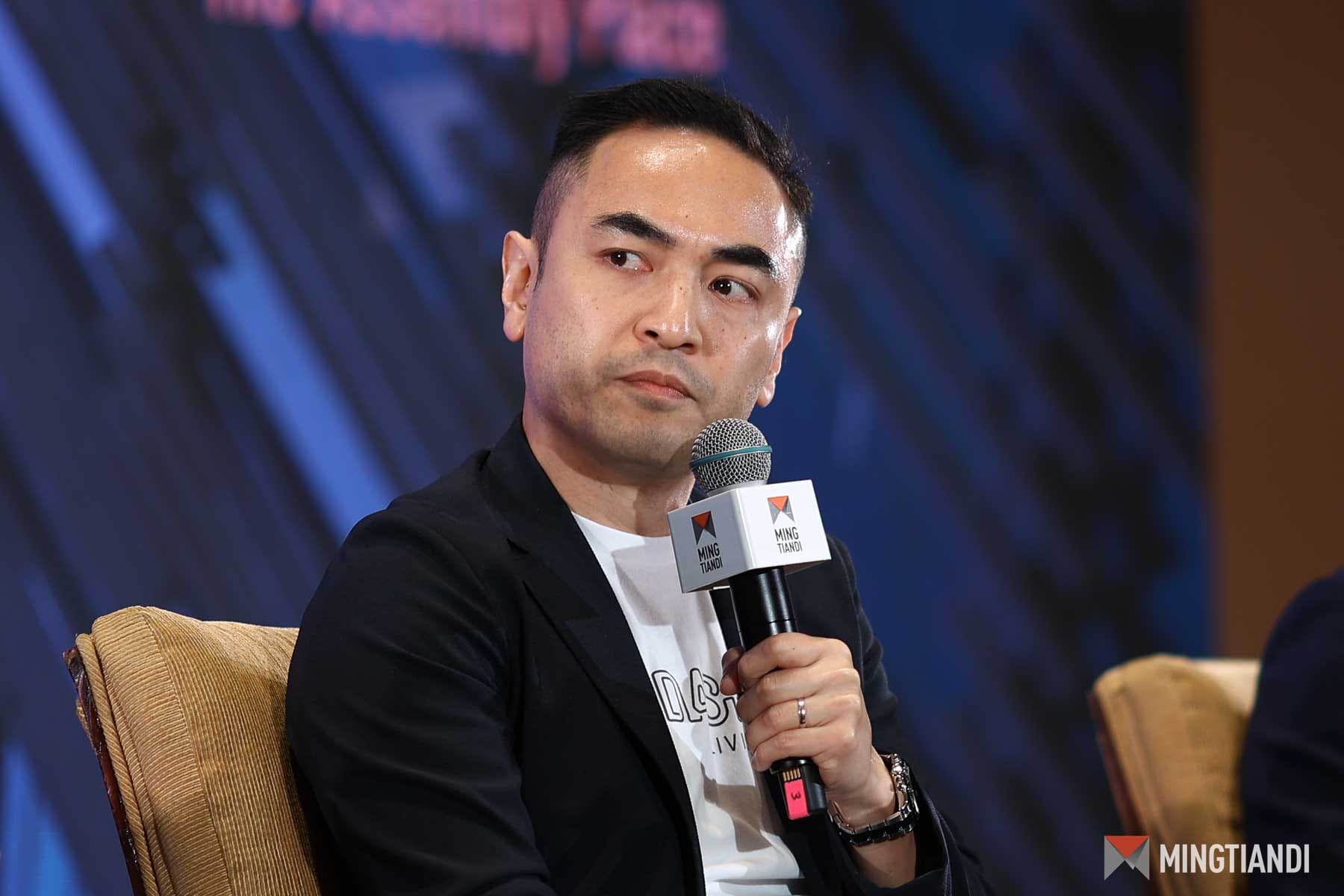
Aaron Lee, founder and CEO of Rava Partners-backed Dash, said greater operational control has become vital as geopolitical tensions and economic uncertainty create increasingly volatile conditions across Asia.
“Being more operational heavy is about not only creating alpha, it’s about control,” Lee told the audience of more than 270 senior industry leaders at the Yardi-sponsored event.
Service Oriented
Lee said Dash has used technology and centralised operations to improve occupancy and profitability across roughly 2,000 units in Hong Kong, Singapore and Japan, including shifting customer channels rapidly when Chinese outbound tourism to Japan weakened last year.

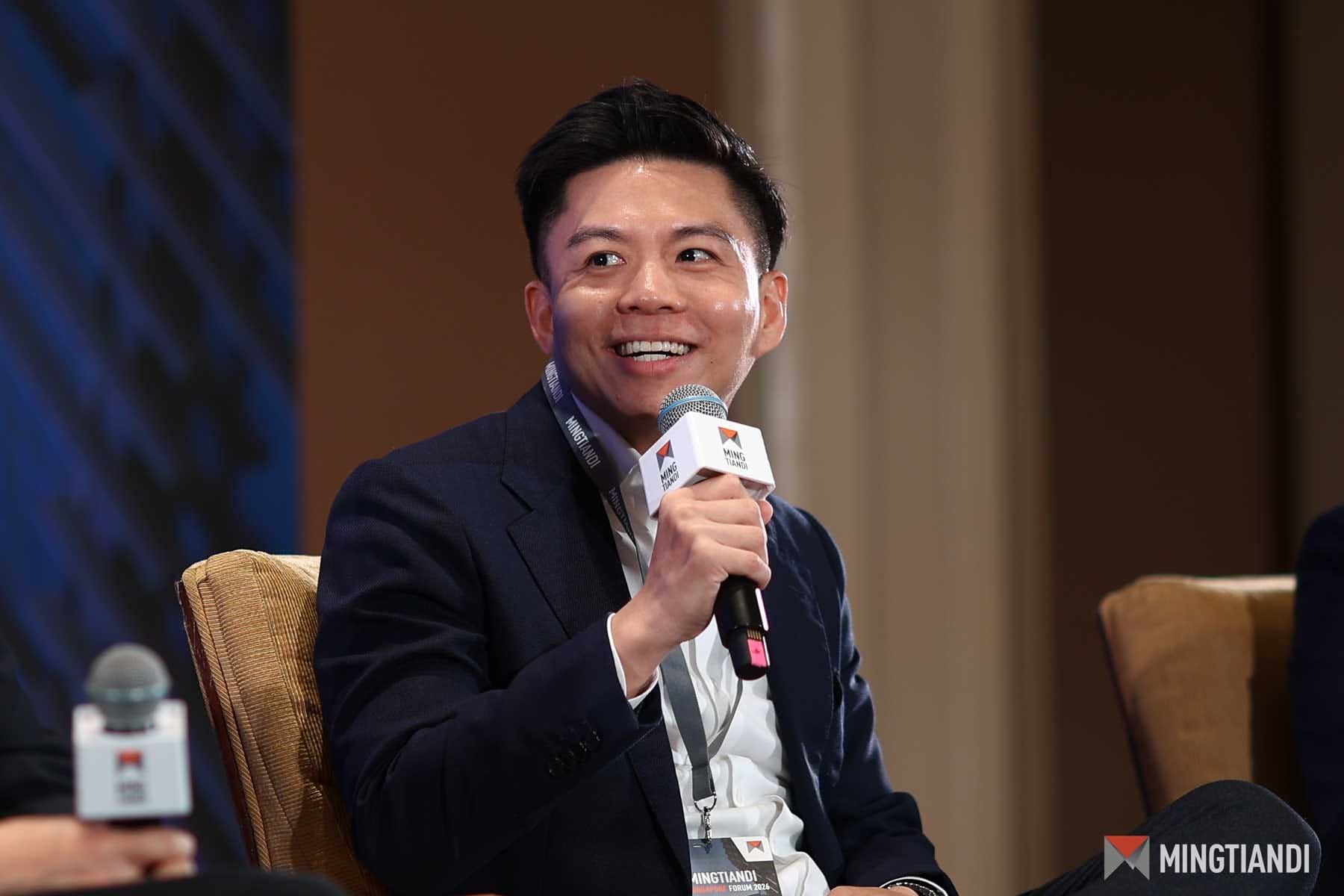
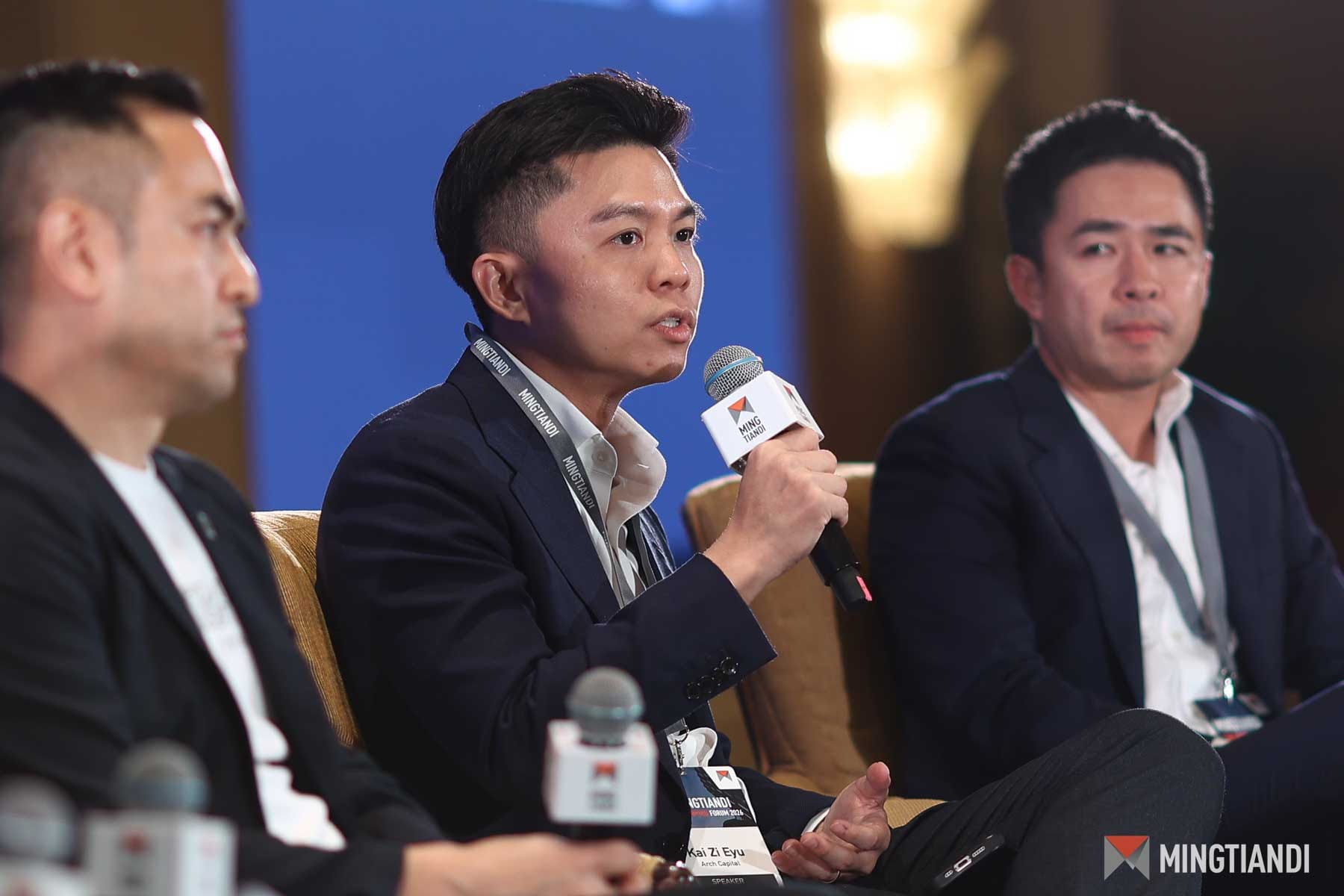
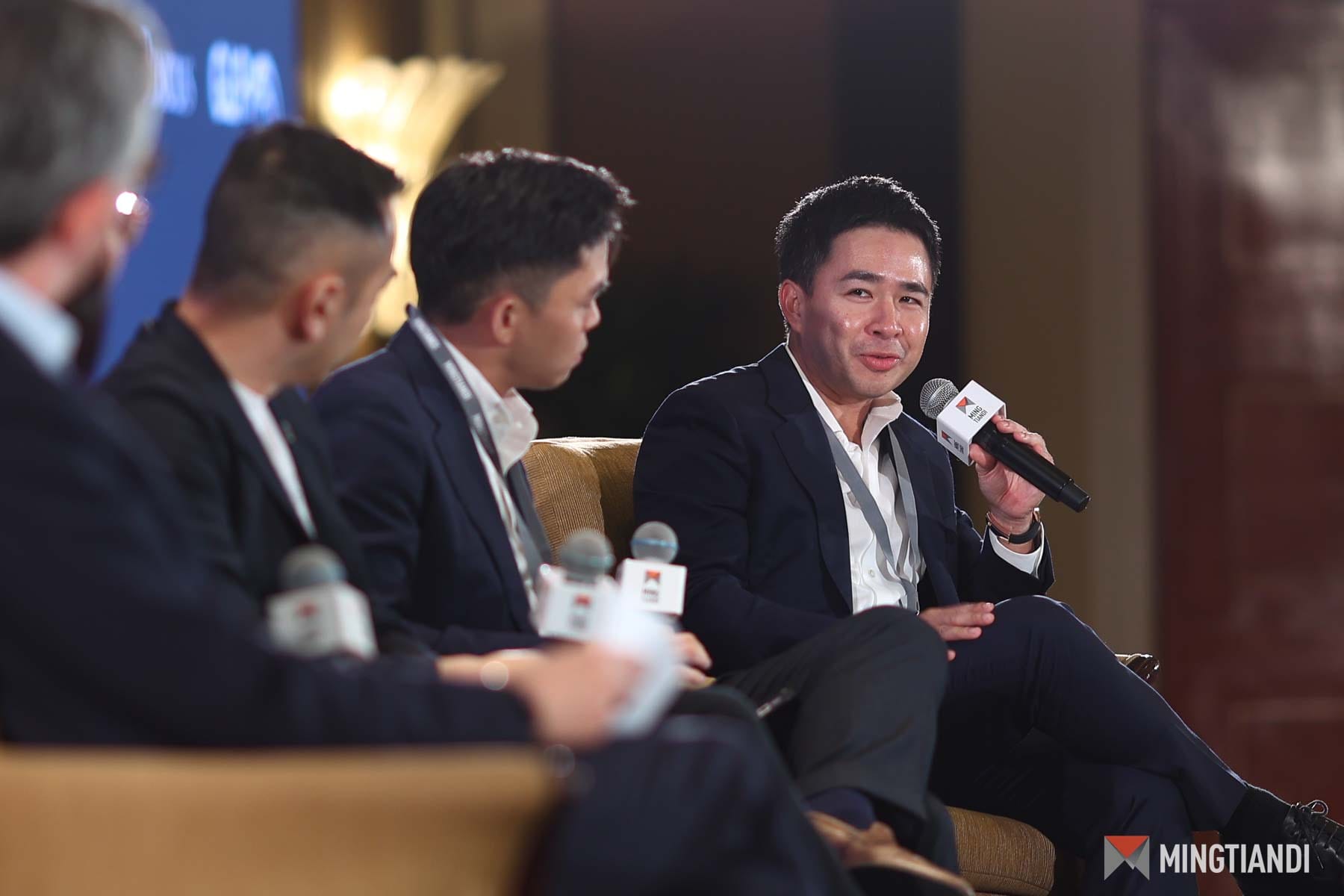
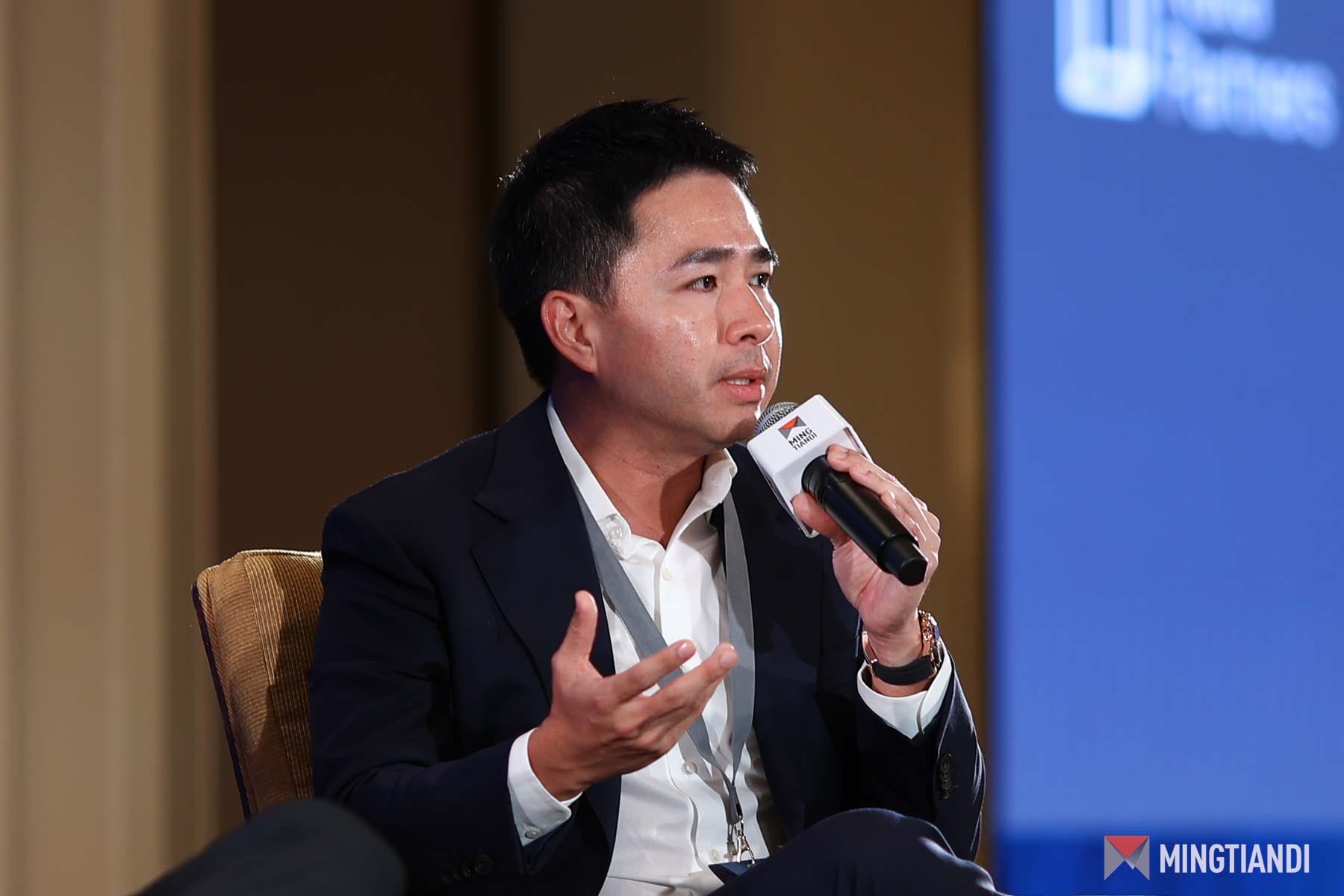
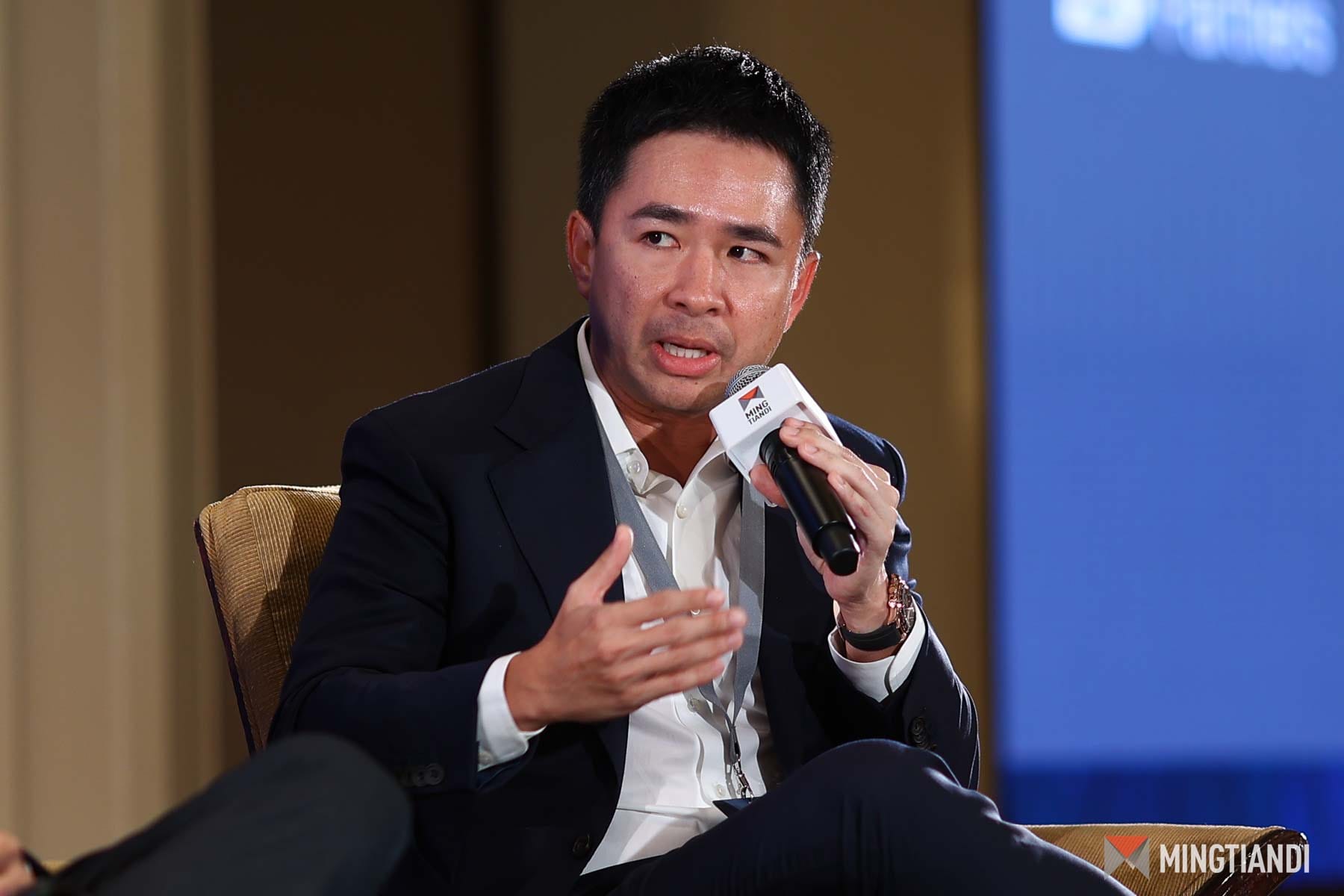
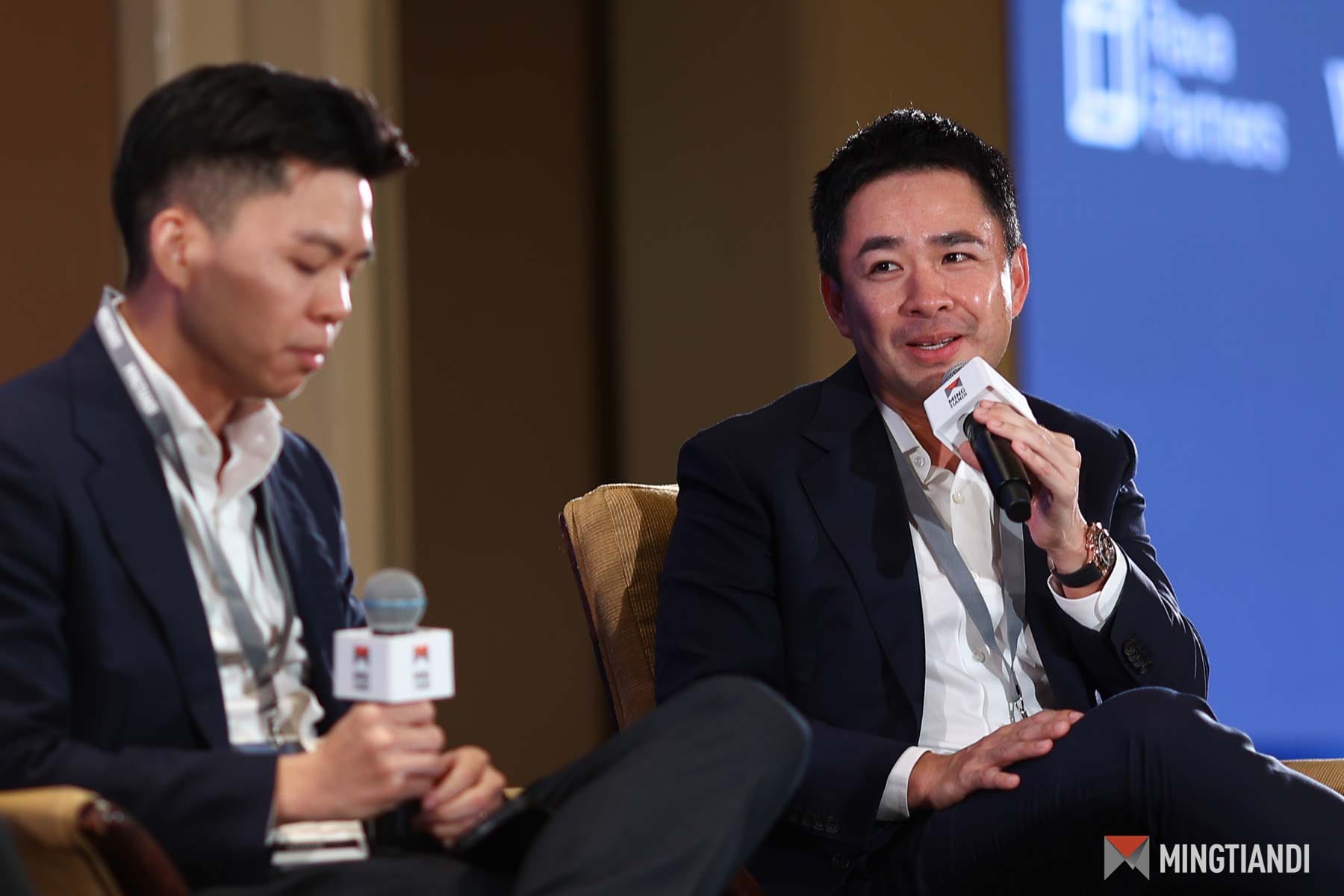
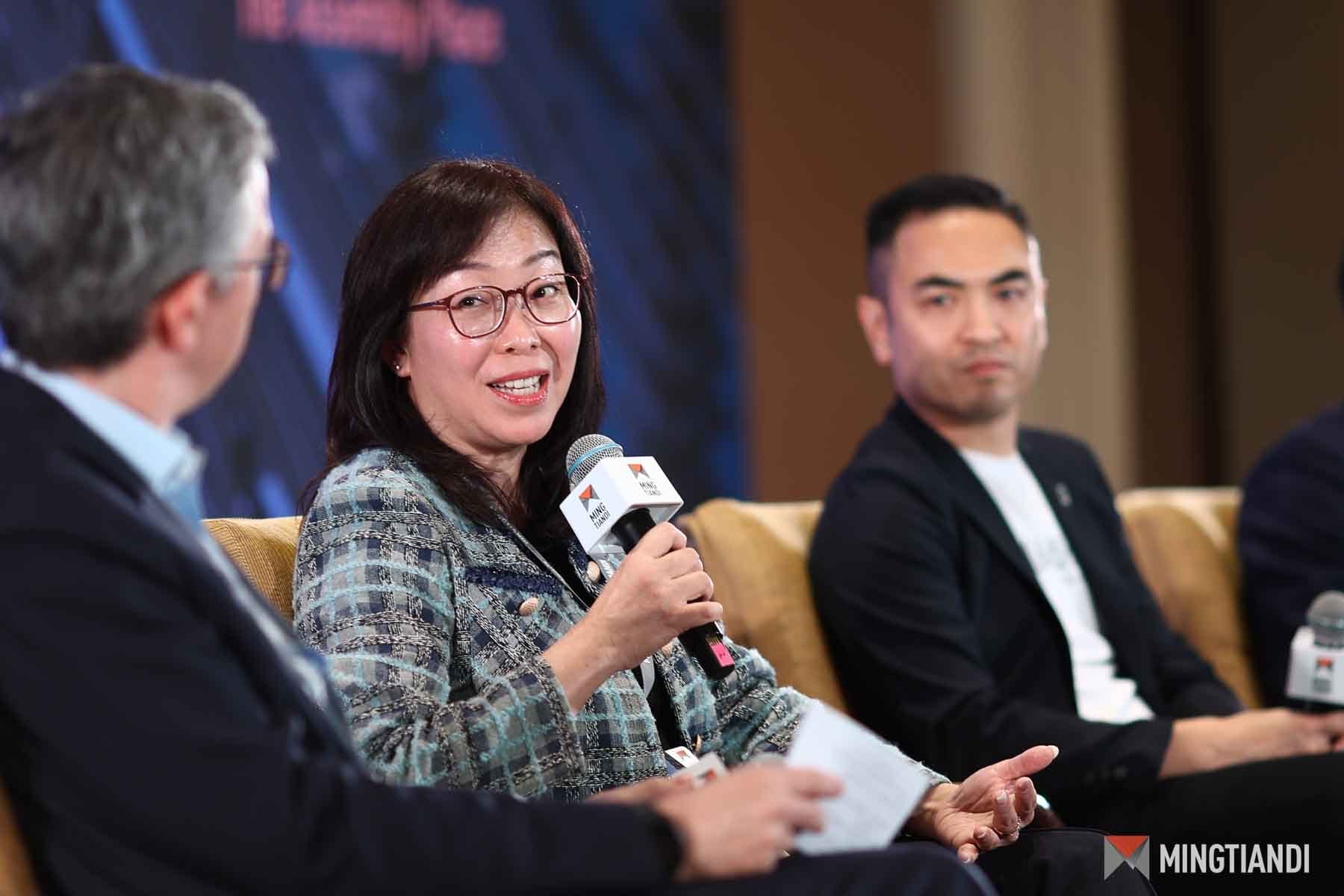
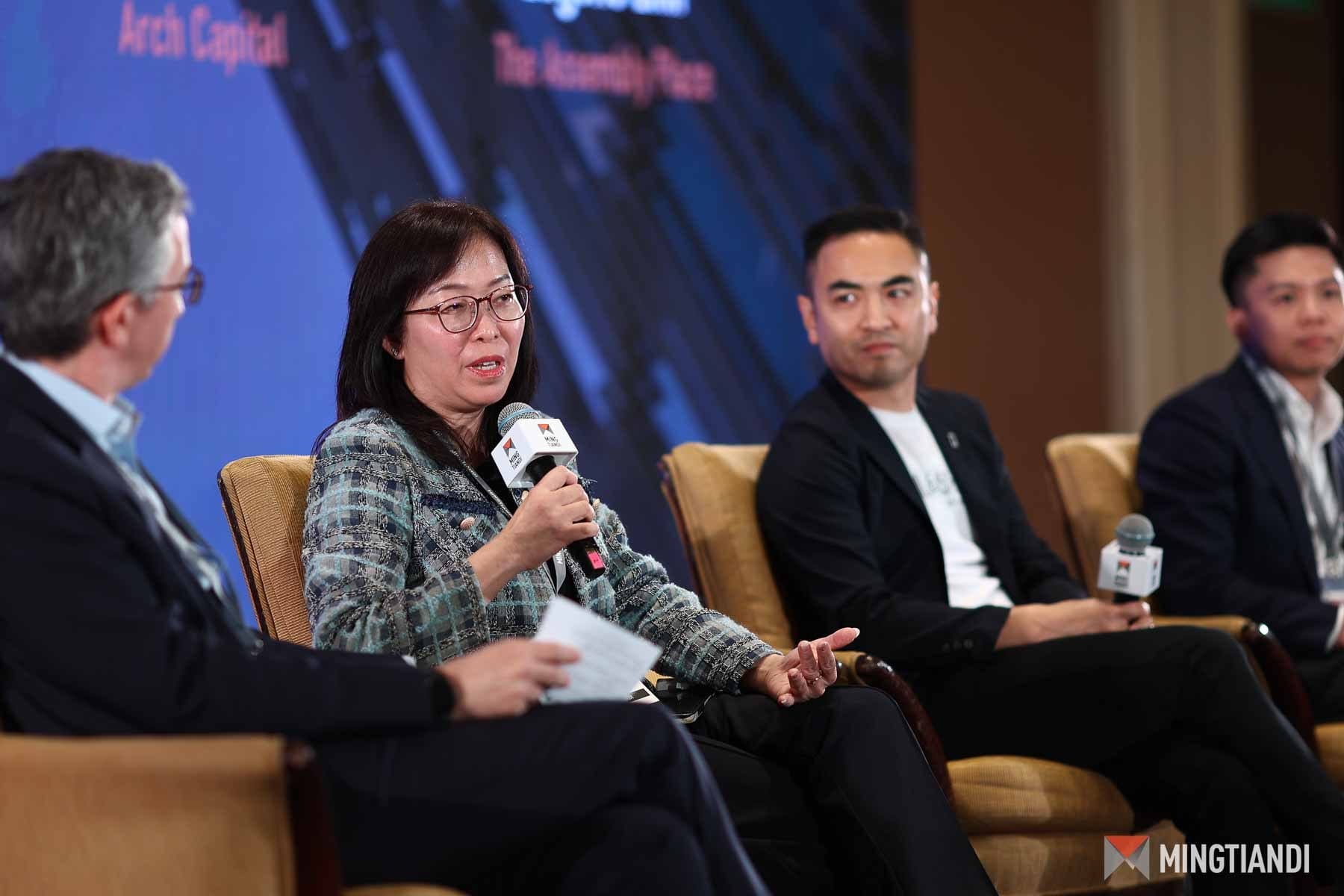
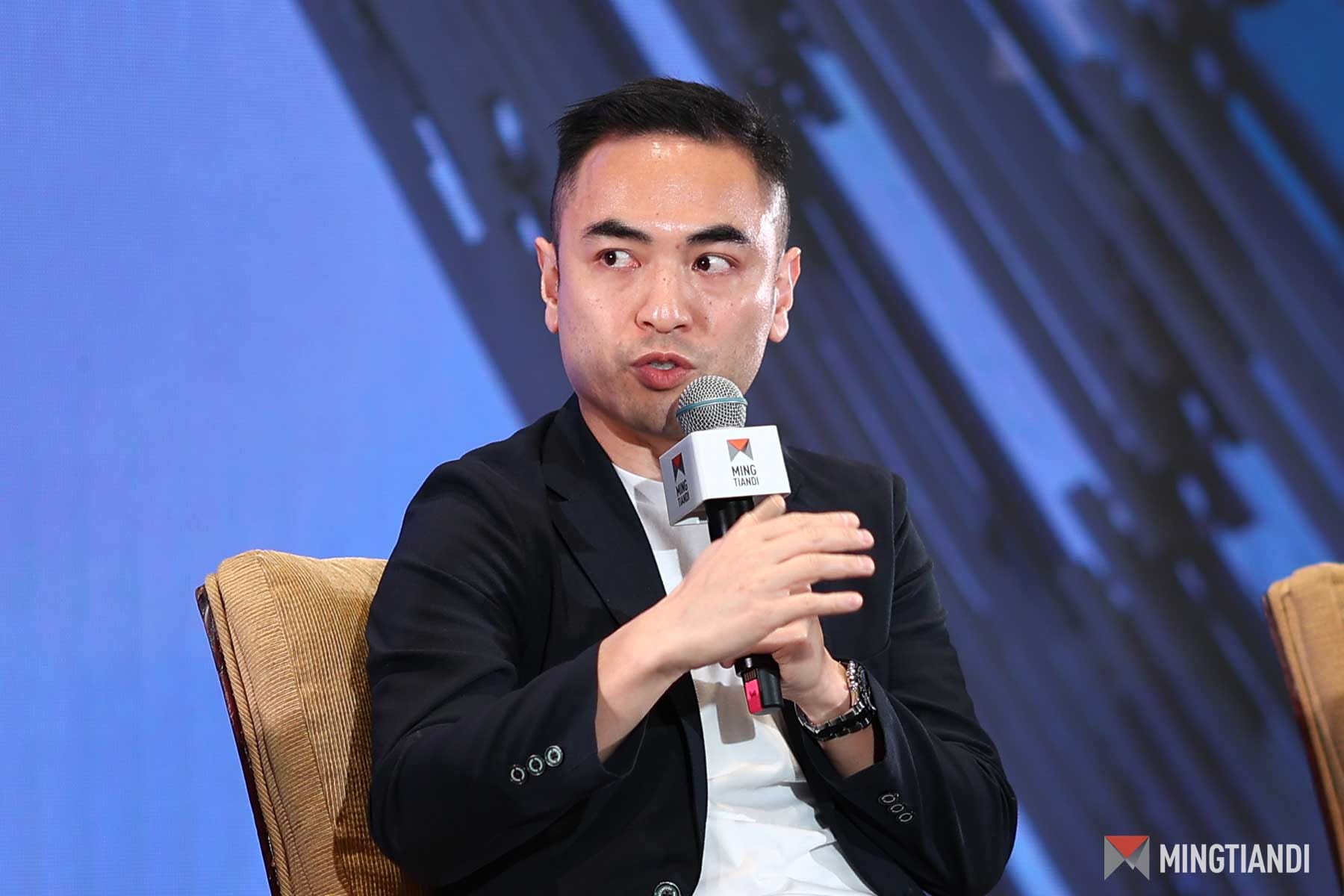
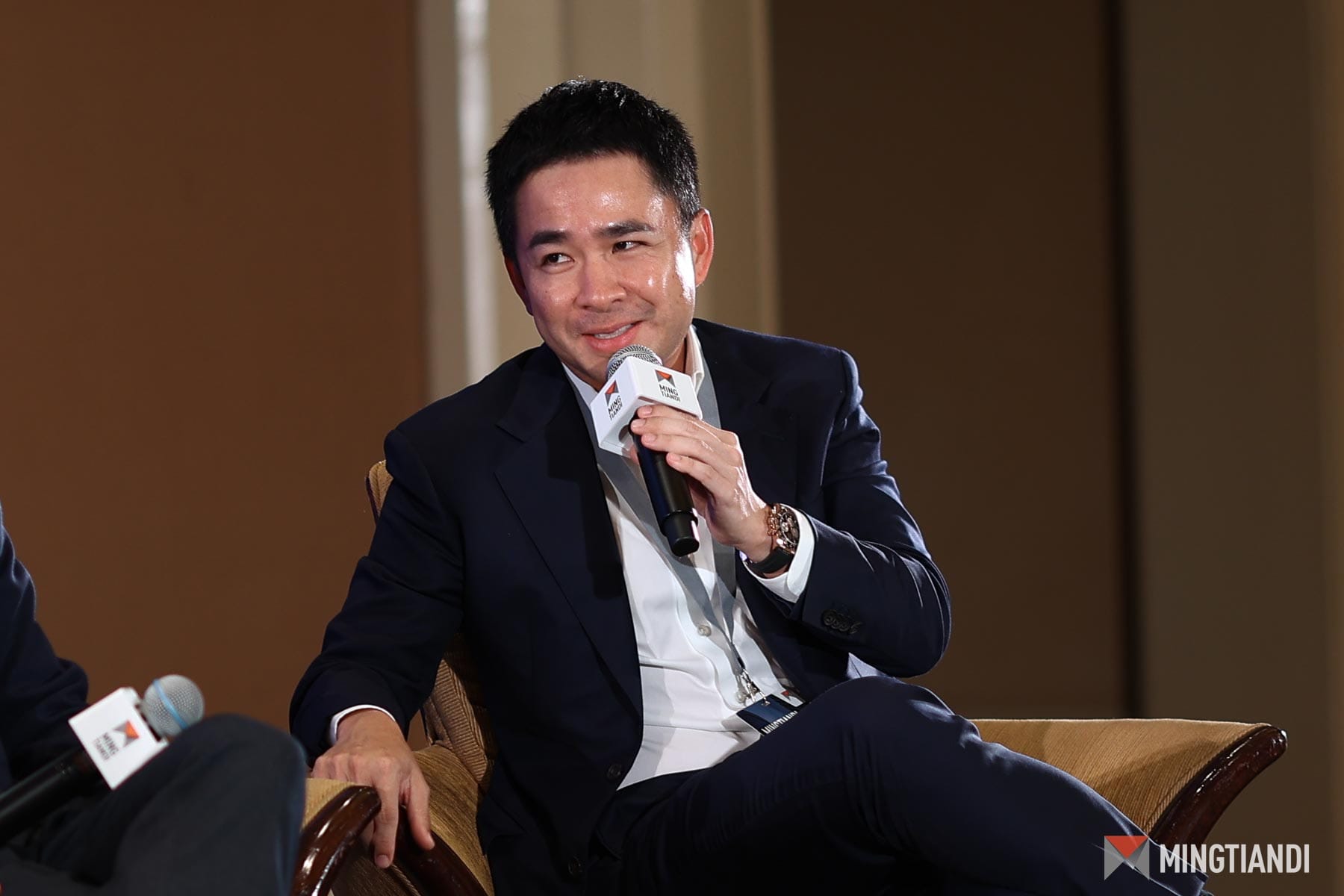
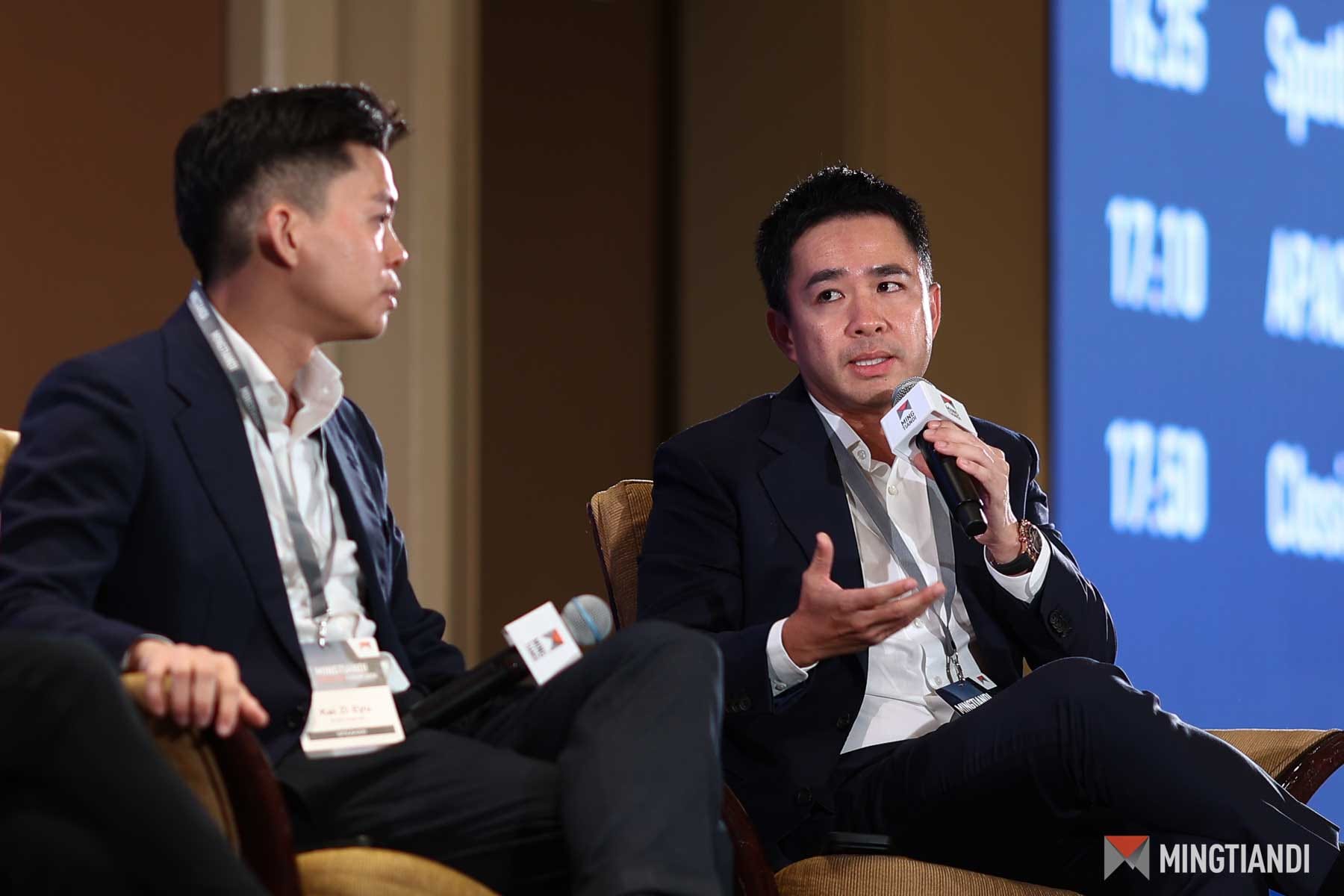
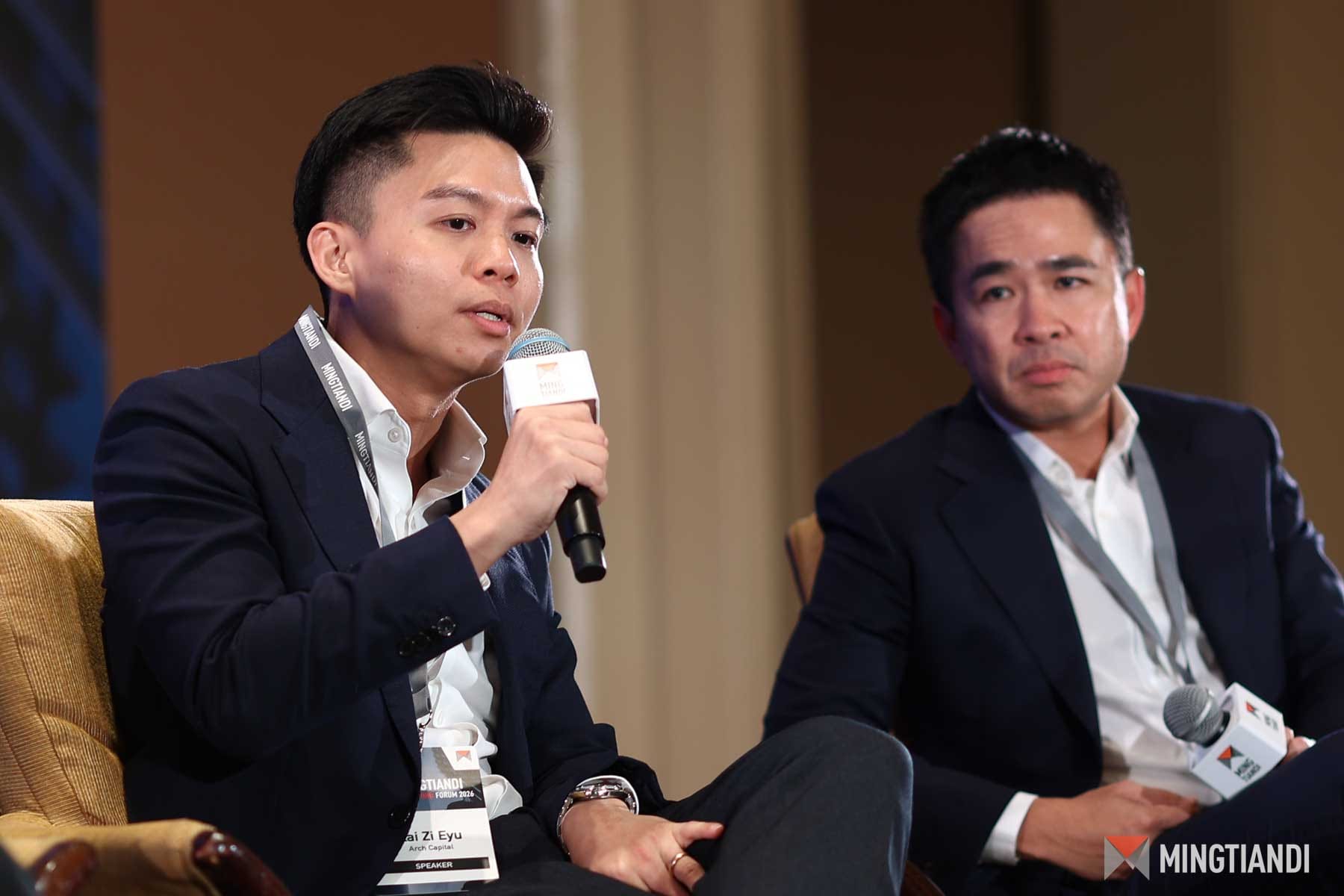
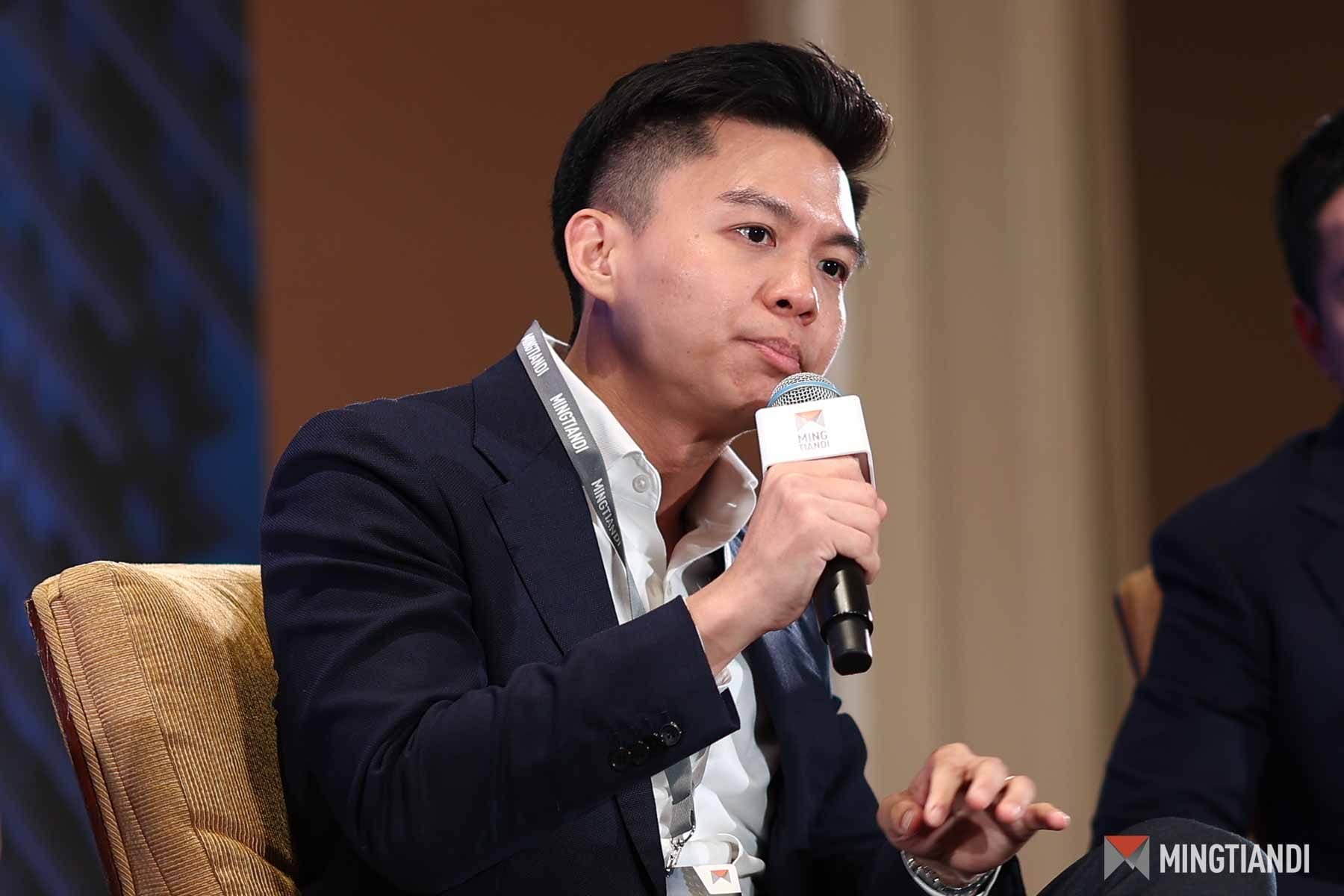
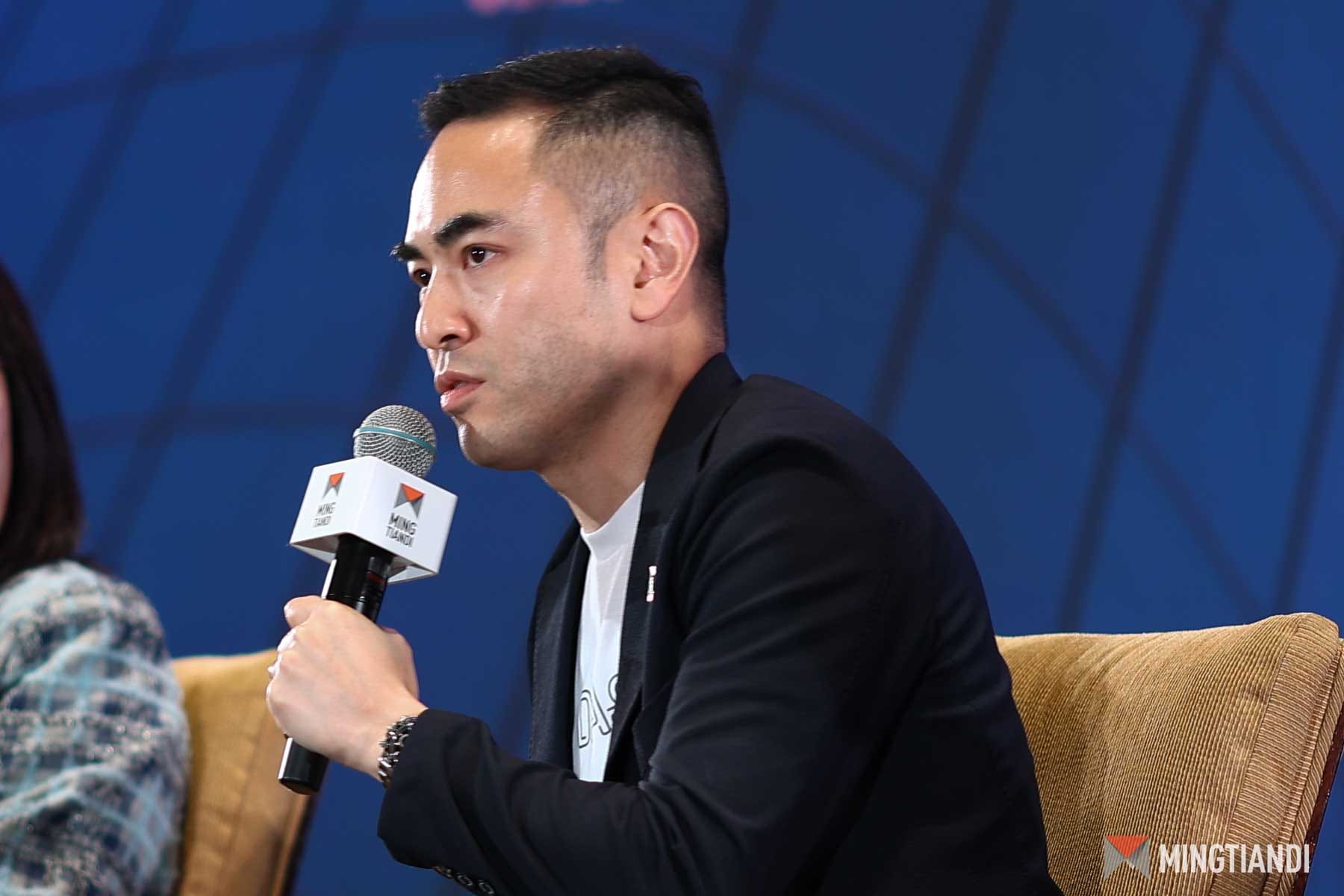
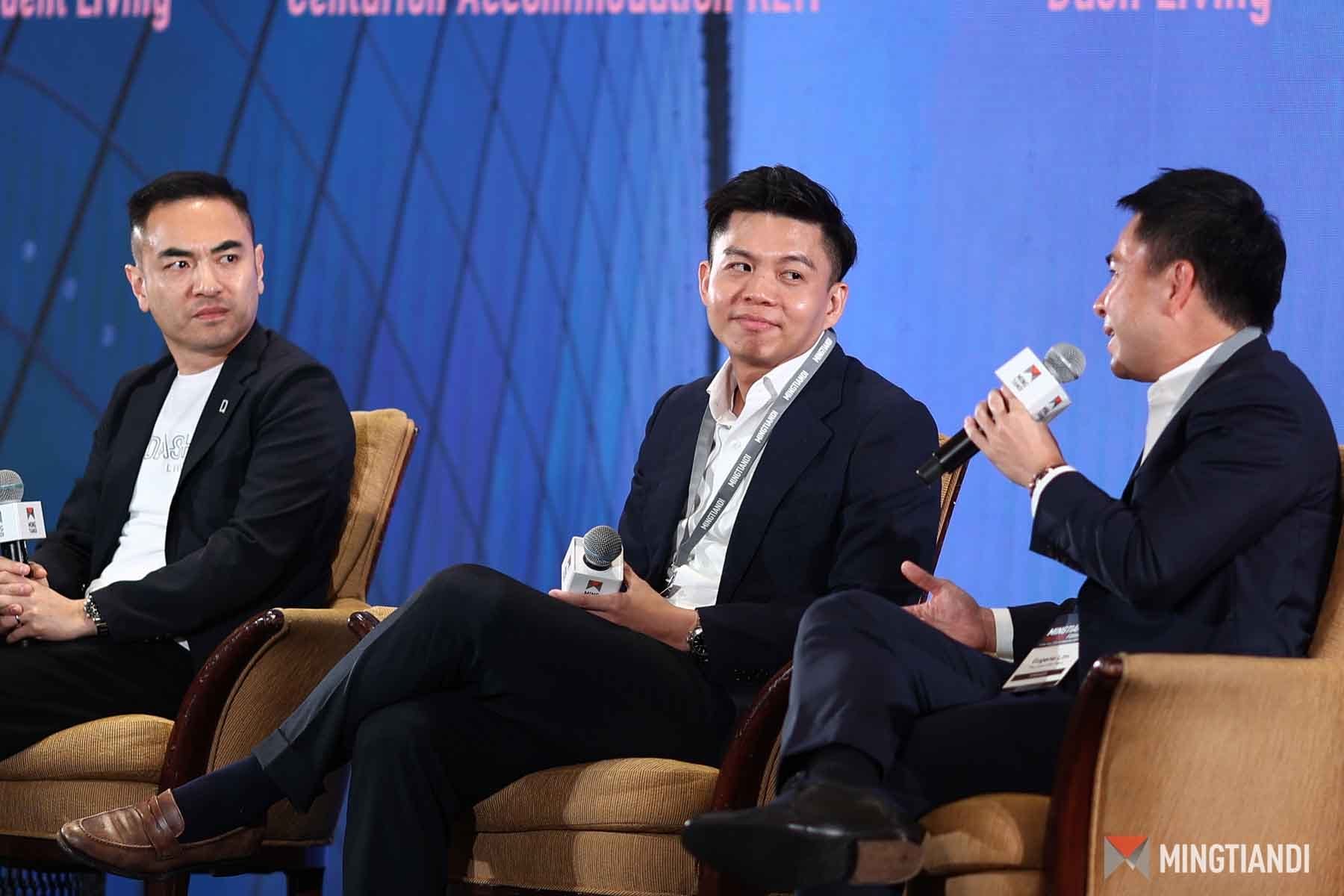
The Assembly Place’s Eugene Lim speaks during the panel on APAC residential investment (Image: Mingtiandi)
The executive added that Japan remains attractive because operationally intensive residential products can generate hotel-like yields from conventional multi-family buildings by targeting tourists, expats and flexible-stay residents.
Kai Zi Eyu, associate director on the investments and asset management team at Arch, said operational real estate sectors are benefiting from a broader shift away from passive landlord models and towards service-oriented housing strategies.
“Operating real estate is here for the long term, as we move from a traditional brick and mortar into a real service provided to the end tenant and user,” Ezu said.
Arch has remained active in Japan multi-family and hospitality investments while also pursuing opportunities in Hong Kong living assets, where the firm sees cyclical buying opportunities as lenders become more aggressive in reducing exposure.
Youthful Priorities
Eugene Lim, founder and CEO of The Assembly Place, said younger tenants are increasingly prioritising flexibility, community and lifestyle over traditional long-term housing arrangements.
“We begin to see that investors these days look at operators also as an asset on its own, not just a building,” Lim said.
TAP, which listed on Singapore’s Catalist board in January, currently operates more than 3,500 units across 103 locations in Singapore spanning co-living, student housing, capsule hotels and worker accommodation.
Lim said younger foreign workers and professionals relocating to Singapore increasingly expect higher-quality accommodation and more social interaction than prior generations of migrants.
“They are more educated,” Lim said. “They know their rights. They want a better-quality living.”
Ginny Ang, chief investment officer at the manager of Centurion Accommodation REIT, said the rise of operational real estate reflects structural changes in tenant behaviour and inflation management across residential markets.
“I think it is a structural shift into operational real estate where you really need to be active and be actively engaged with your tenants,” Ang said.
Centurion listed Singapore’s first pure-play living REIT last September with a portfolio focused on worker accommodation in Singapore and student housing in Australia and the UK.
Ang said Singapore’s worker housing market continues to benefit from rising demand tied to construction activity and long-term growth in work permit holders, even as the government gradually tightens accommodation standards.
“At the moment it is still a lot of demand, more so than supply,” she said.
A Forum in Pictures


Leave a Reply