
Rava Partners is pursuing Asia Pacific real estate opportunities by building specialised operating companies rather than assembling traditional property portfolios, with co-head Joe Gagnon saying the strategy is designed to capture growth in under-supplied sectors shaped by technology and demographic shifts.
Speaking Tuesday at the Mingtiandi Singapore Forum, Gagnon said the Hillhouse Investment-backed real estate firm focuses on partnering with entrepreneurs capable of creating scalable businesses in sectors like rental housing, logistics and data centres rather than relying on asset appreciation driven by falling interest rates.
“Our focus has been still on building, but building companies,” Gagnon said at the Yardi-sponsored event. “What we’re trying to do is work with best-in-class entrepreneurs to try to grow businesses that serve those asset classes.”
The executive said the approach reflects a shift away from traditional sectors like office and retail and towards operationally intensive property types like logistics, multi-family and digital infrastructure, where institutional competition remains relatively limited.
“These are the more operationally intensive assets, and also where the incumbents are not as strong,” Gagnon said.
Entrepreneur Focus
Gagnon argued that the era of ultra-low interest rates and broad multiple expansion which boosted conventional real estate investment over the past four decades is unlikely to return, requiring investors to generate returns through operational expertise and growth instead.
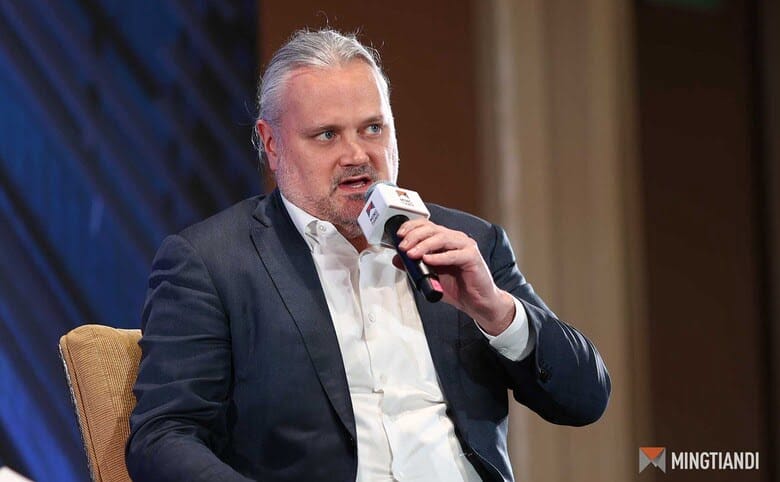
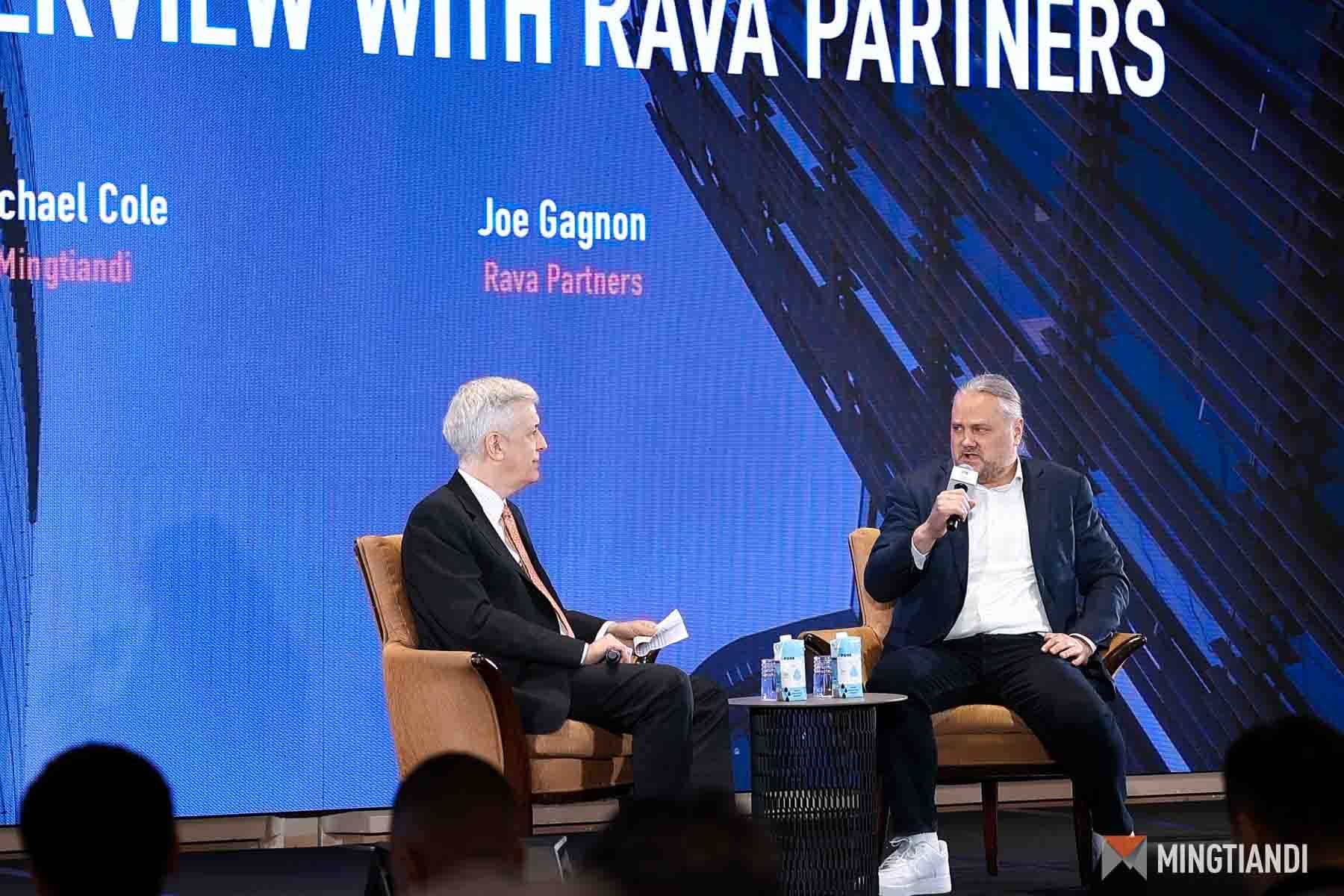
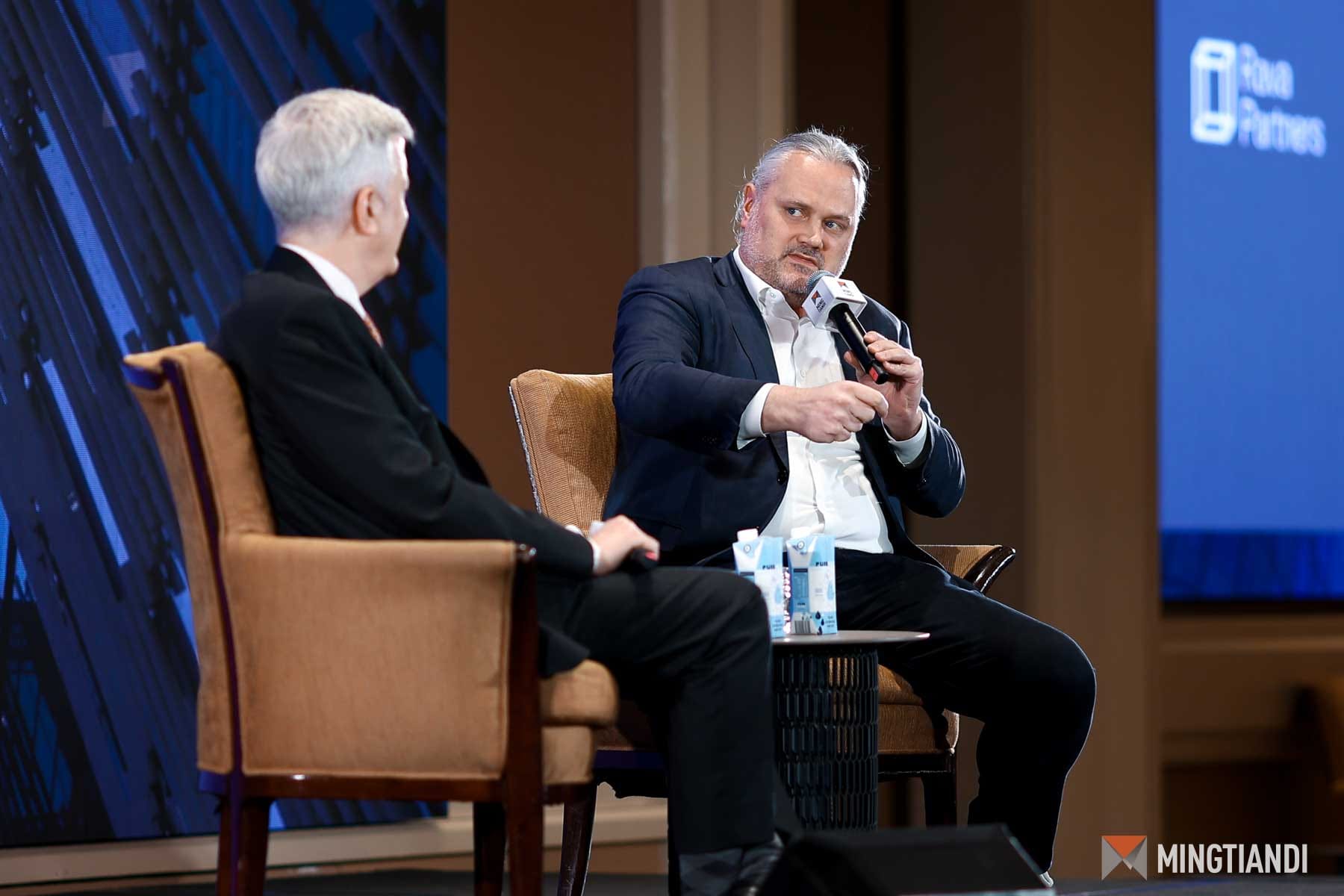
Rava Partners’ Joe Gagnon speaks at the Singapore Forum (Image: Mingtiandi)
“What we don’t want to be doing is just trying to buy the index,” he said. “I think historically, at least over the last 10 or 15, 20 years, you were bailed out by a lot of the underlying as interest rates kept on going down.”
Rava, which was launched by Hillhouse in 2020, now invests across sectors and geographies through partnerships with specialist operators capable of scaling businesses in fragmented markets. The firm maintains eight offices across Asia and remains active in markets including India, Japan, Southeast Asia and China.
Gagnon said the firm seeks entrepreneurs able to navigate ambiguity and experimentation in emerging sectors where business models are still evolving.
“You have to leave enough room for that experimentation,” he said. “Maybe it’s that A-B testing. We’ll try a little bit of this and a little bit of that and see where it goes.”
Rava’s recent transactions have included backing co-living operator Dash Living in Hong Kong, expanding logistics investments through EZA Hill and partnering with JD Property and Partners Group on Singapore warehouse acquisitions and a planned Singapore REIT listing.
Discussing Dash, Gagnon said Rava was attracted by the relative scarcity of institutional-quality multi-family operators in Asia compared with mature Western markets.
“If you look at that market here in Asia, we’re already the largest operator of multi-family properties in Asia, and we’re a small, small, small fraction,” he said.
Samty Expansion
Gagnon also highlighted Rava’s privatisation of Japanese developer Samty Holdings alongside Daiwa Securities as a key example of the firm’s strategy of transforming operating platforms into vertically integrated fund managers.
The deal, completed early last year, gave Rava control of Japan’s largest multi-family developer, which the firm is now repositioning to combine development, operations and capital management capabilities.
“Take the biggest developer, make them a fund manager,” Gagnon said, describing the rationale behind the buy.
The executive said Samty’s management team recognised that foreign institutional investors were capturing much of the long-term value created by the company’s apartment development pipeline.
“They knew how to build the product, they knew how to operate it, but they didn’t have that last missing piece of the fund management side,” Gagnon said.
Rava has since worked with sovereign investors to expand Samty’s fund management platform while also using the Japanese group as a springboard for regional expansion, including the company’s acquisition of a majority stake in Australian student housing operator UniLodge.
“And if we can create that closed-loop cycle of capital, it really transforms the business,” Gagnon said. “We think that should really drive valuation for that business in Japan.”
An Interview in Pictures




Leave a Reply