
Southeast Asia will account for roughly half of new data centre capacity across Asia excluding China over the next five years, making it the single most important market in the region by a wide margin, according to Drew Chen, a partner at Bain Capital who co-leads technology investments for the firm’s Asia Pacific private equity business.
Chen, a founding member of Bain Capital’s Asia Pacific private equity team who has led the firm’s data centre investments through Singapore-based Bridge Data Centres and other platforms since 2017, sees growth in Southeast Asia underpinned by the region’s growing local demand for AI services, as well as displaced requirements from the US.
“Southeast Asia is going to be the single largest market in Asia ex-China in terms of data centre growth,” Chen said. “That’s bigger than any of the other countries combined.” Developed Asia — Japan, Australia and South Korea — would account for 30 to 40 percent of capacity growth over the same period, he estimated, with India taking the remainder.
Speaking on Tuesday at the Mingtiandi Singapore Forum, which was sponsored by Yardi, Chen said that bottlenecks in the US market, where roughly 40 to 50 percent of planned data centre projects have been either delayed or cancelled, have left Southeast Asia as one of the markets best positioned to absorb displaced expansion plans.
Overflow From the US
Southeast Asia’s data centre market is benefiting from the opportunity to support both local cloud and e-commerce requirements and the expansion of US hyperscalers as they grow their AI services in the region.
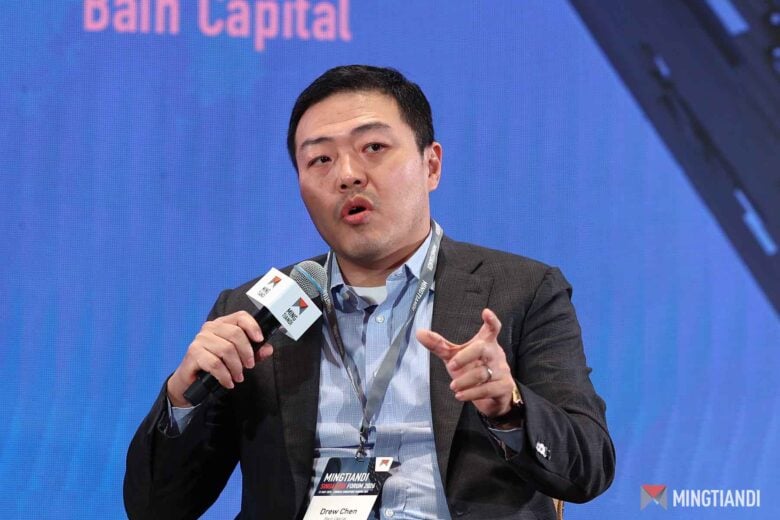
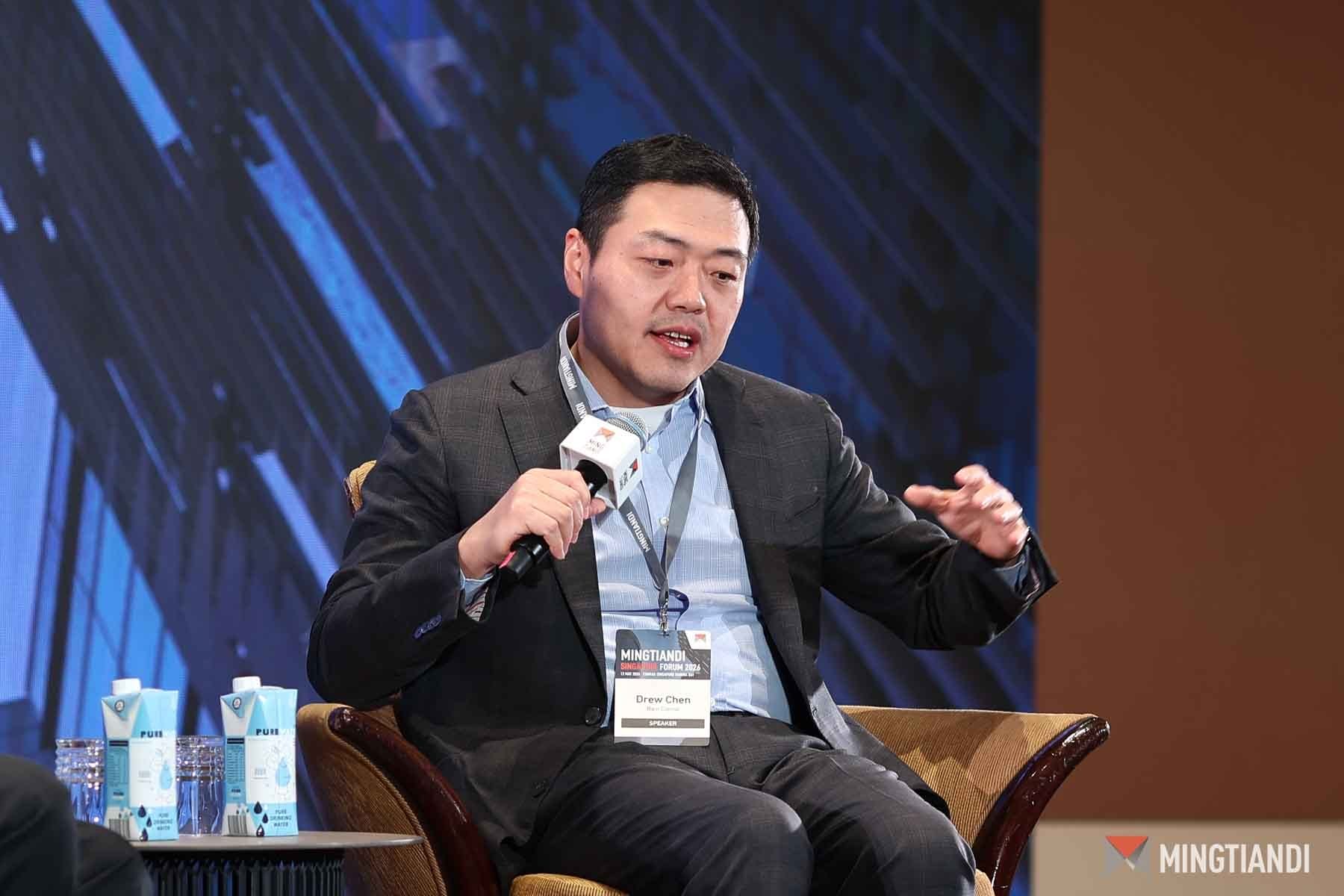
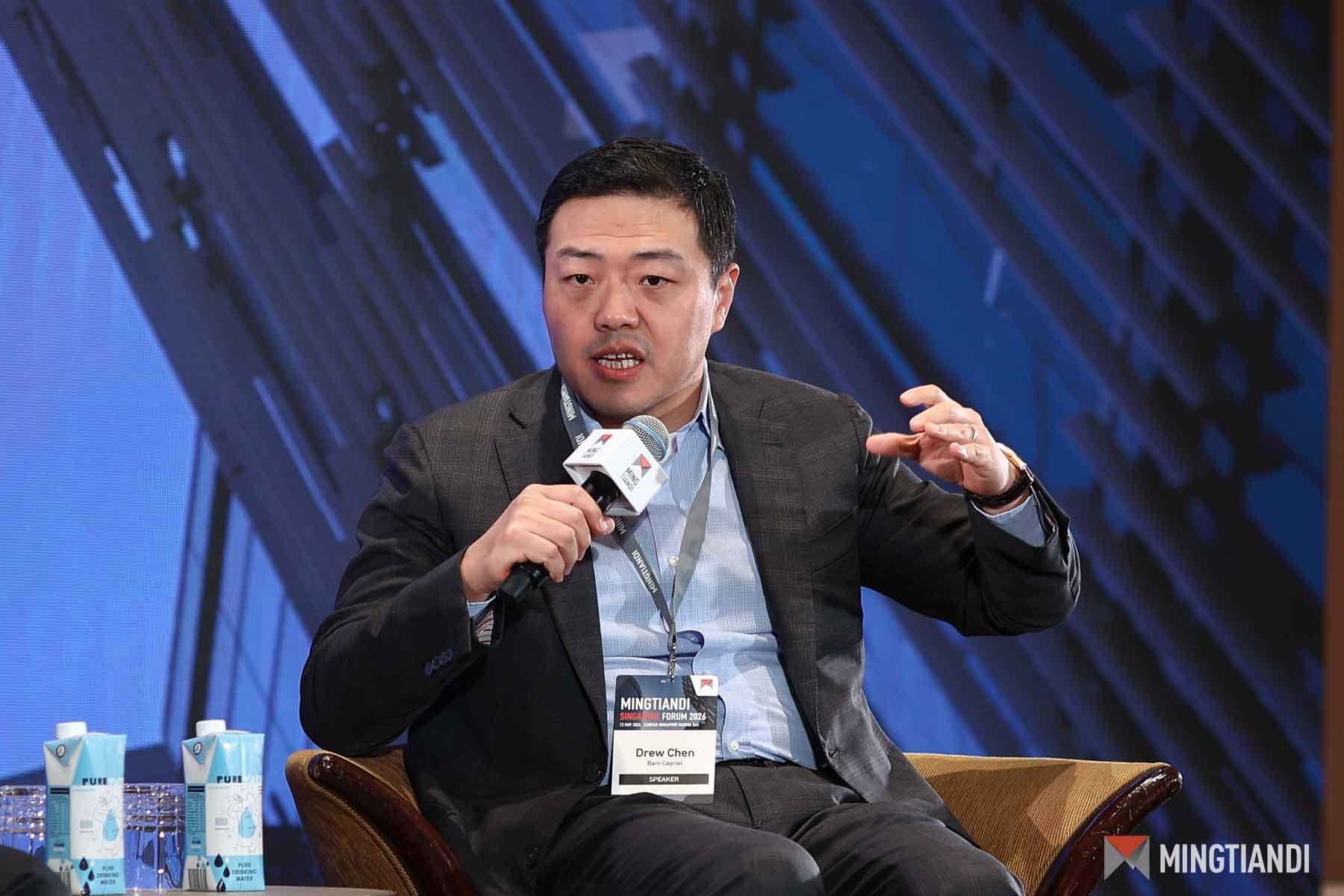
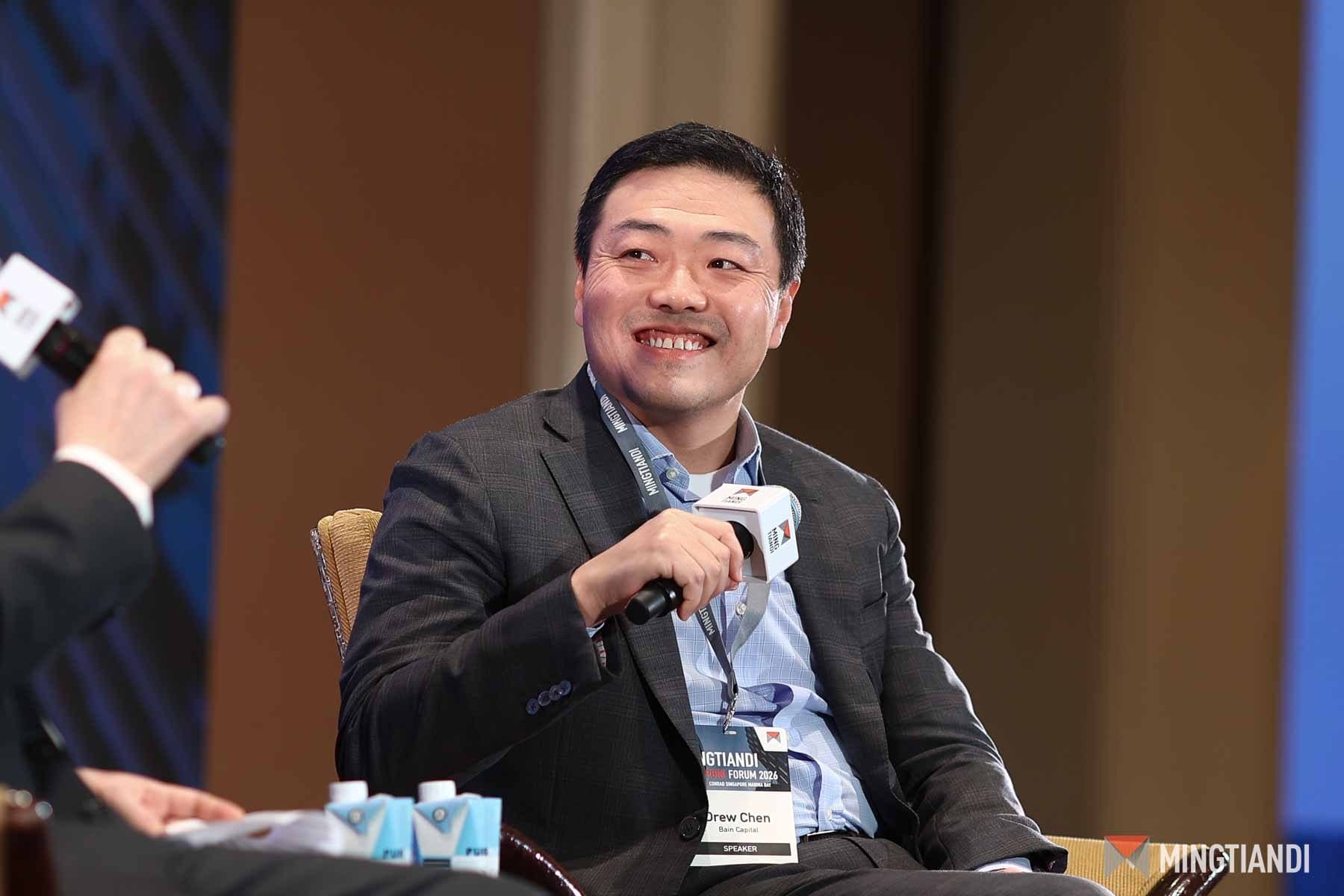
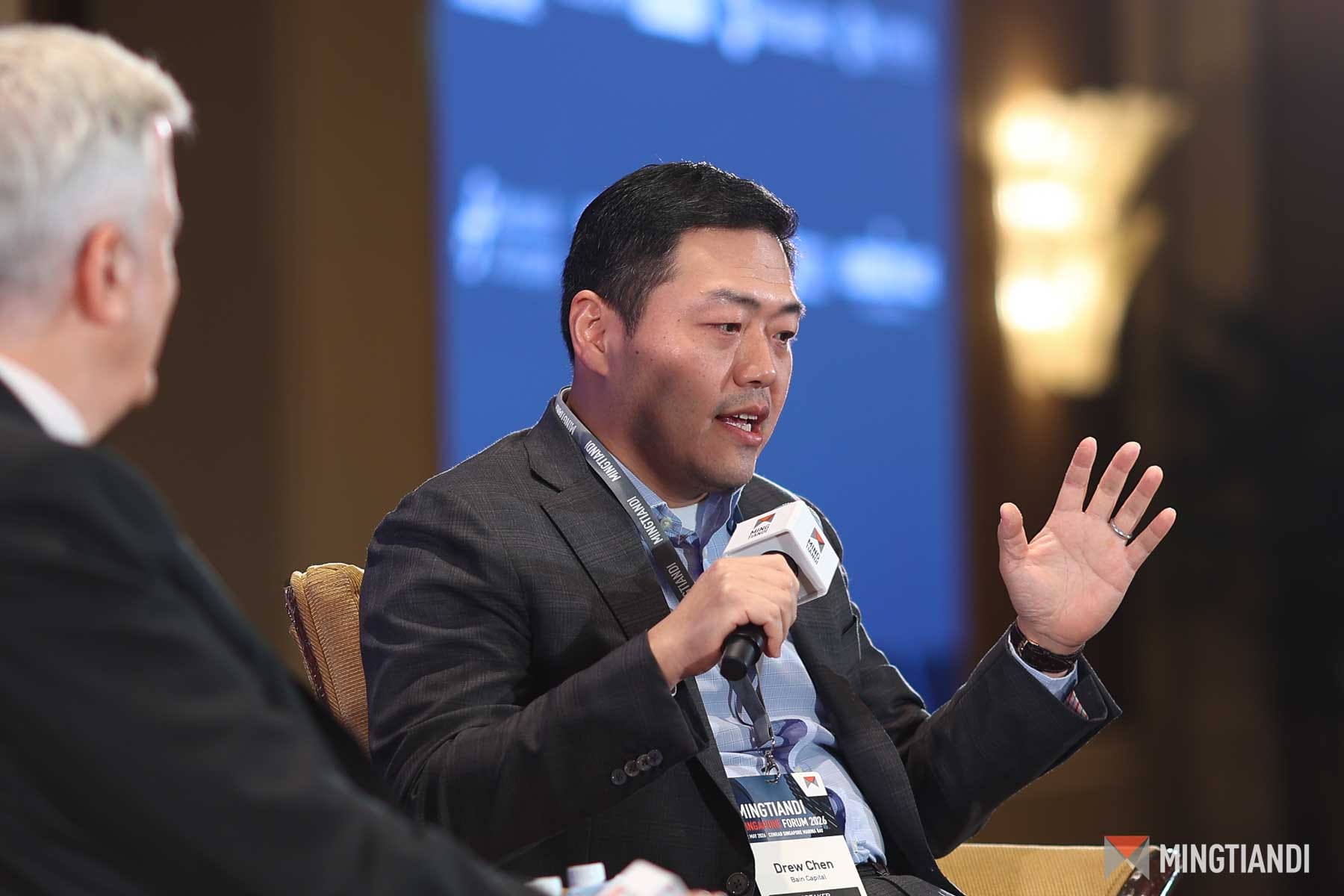
Bain Capital partner Drew Chen (Image: Mingtiandi)
“We’re also seeing customers coming from the US with pretty large orders,” Chen said. “I think those customers are probably thinking about more AI training, AI inferencing.”
Chen’s remarks come as US tech giants such as Amazon, Microsoft and Google have been ramping up their platforms in Southeast Asia, with Google having announced a $1 billion expansion plan for Thailand in late 2024, while Amazon and Microsoft have set up new cloud regions in Thailand and Malaysia in the last two years.
Also in late 2024, Oracle revealed plans to invest $6.5 billion on AI and cloud computing in Malaysia.
During April, Bridge announced plans to invest up to $3.9 billion to expand its capacity in Singapore, and earlier this month Thai authorities approved the company’s plan for a $746 million project in Chonburi province designed for 134MW of IT load.
Chen indicated that for global hyperscalers expanding in the region, Singapore would typically serve as a regional hub with digital infrastructure clusters in Johor, Kuala Lumpur, Bangkok and Jakarta positioned to benefit from fibre connectivity to the city-state.
Technology Edge
With Bain Capital having a history of investing internet and computer hardware-related ventures in the region, Chen sees his team holding an advantage from its technical expertise.
Chen said that edge is becoming more commercially important as hyperscale customers develop more specialised requirements such as CPU-heavy infrastructure to support agentic AI.
“If you don’t understand the technology, you may actually build something that’s not suited for your customer demand,” Chen said.
With Bridge employing more than 1,000 people across the region, the company insources construction and general contracting capabilities, to ensure control over facility development for its clients.
Capital and Returns
With Asia’s data centre market becoming more competitive, Chen identified capital access, technology capability and hyperscale relationships as potential determining factors for the success of digital infrastructure platforms in the region.
While many companies having announced plans for multi-gigawatt platforms, Chen argued that raw scale was not going to be the most important differentiator as data centre ventures compete for the capital necessary to build AI-scale facilities, with return on invested capital becoming a decisive metric.
“I think eventually people are going to be more discerning if the capital becomes more scarce,” Chen said. “Are you a 10 percent ROIC company, or are you a 12 percent, or are you a 15 percent ROIC company?”
On Singapore REIT listings as a capital-recycling mechanism, Chen said it was too early to commit. With some existing data centre REITs having underperformed investor expectations, Bain prefers to wait for market sentiment to improve before exploring listing options in the region.
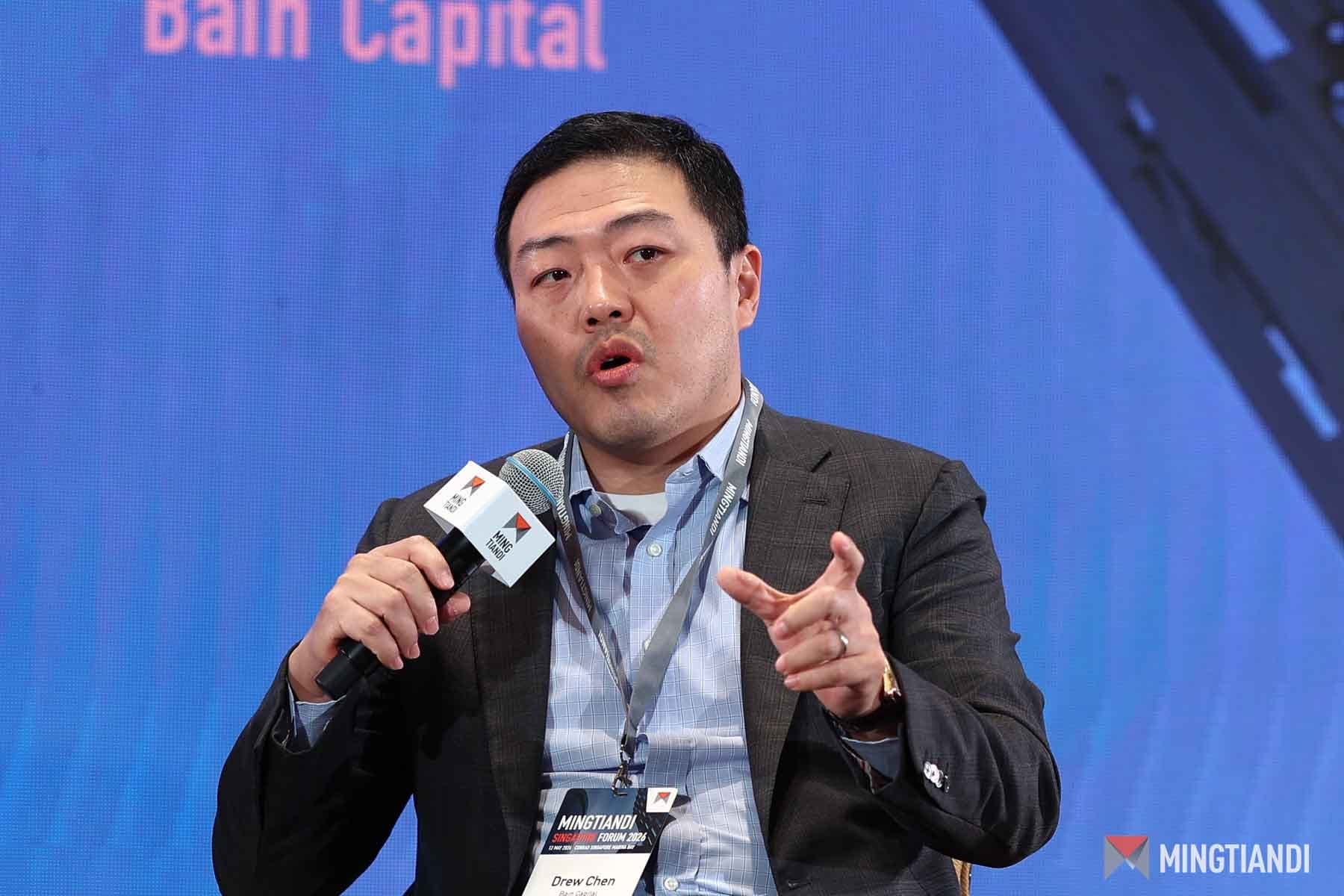
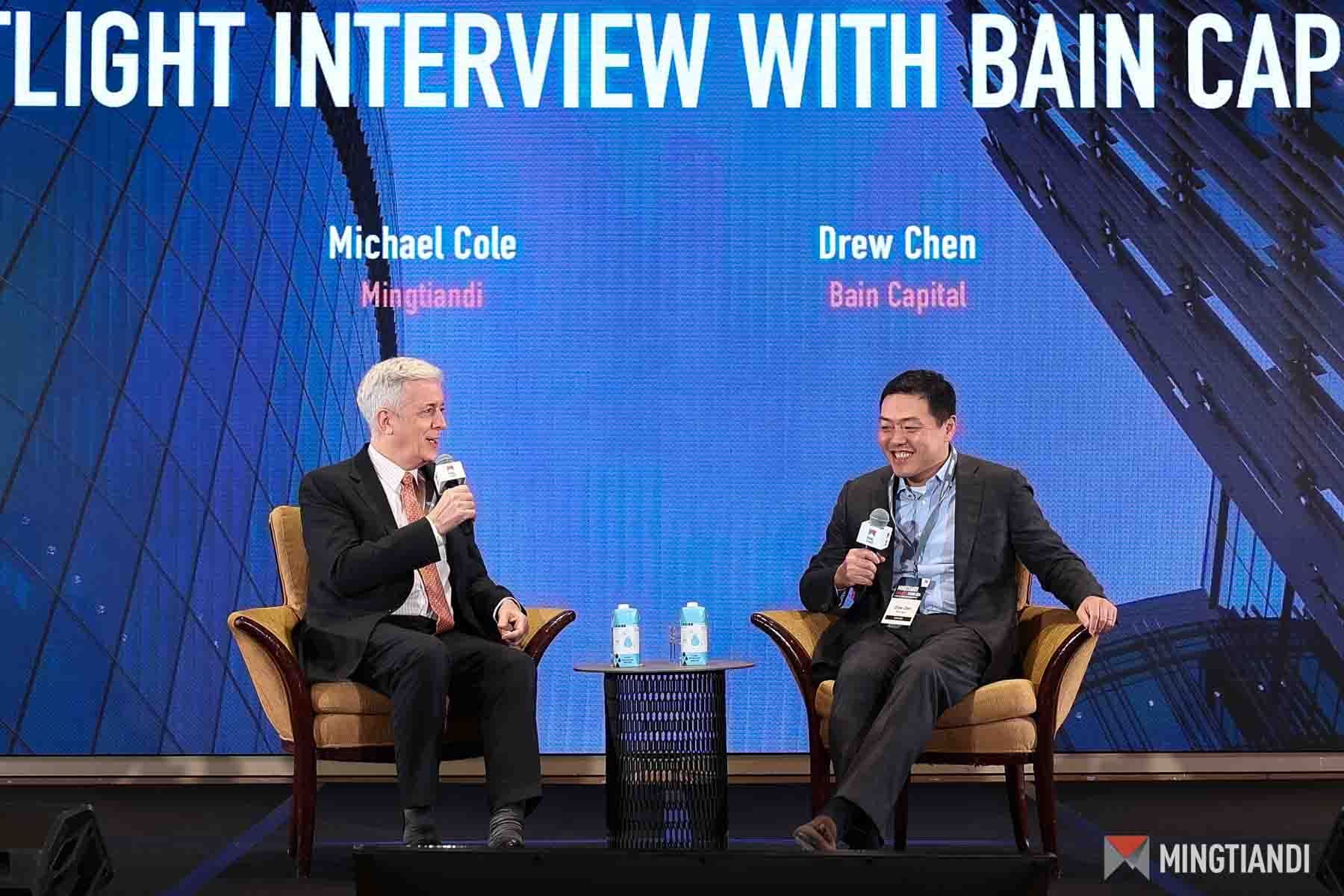
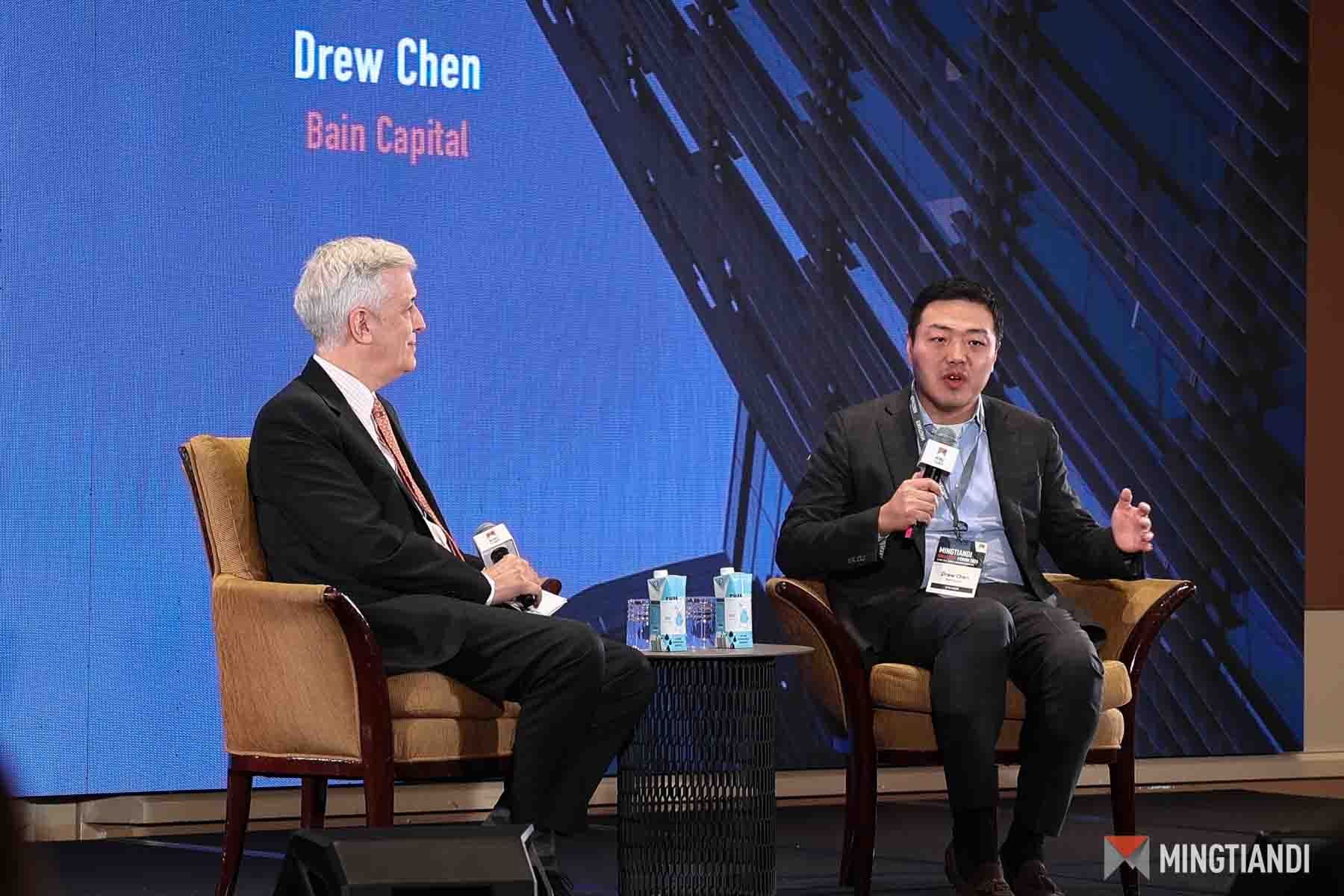
An Interview in Pictures


Leave a Reply