
A more diverse tourist mix and the rise of longer-stay travellers are driving growth in Japan’s lodging sector, according to speakers at the Mingtiandi Tokyo Forum. Watch the full recording>>
With Japan on course to receive over 40 million foreign visitors in 2025, after welcoming a record 36.87 million last year, senior leaders from lodging players Wayfarer, Kiraku and Cove weighed in on the trends blurring the line between hospitality and residential at this week’s full-day event.
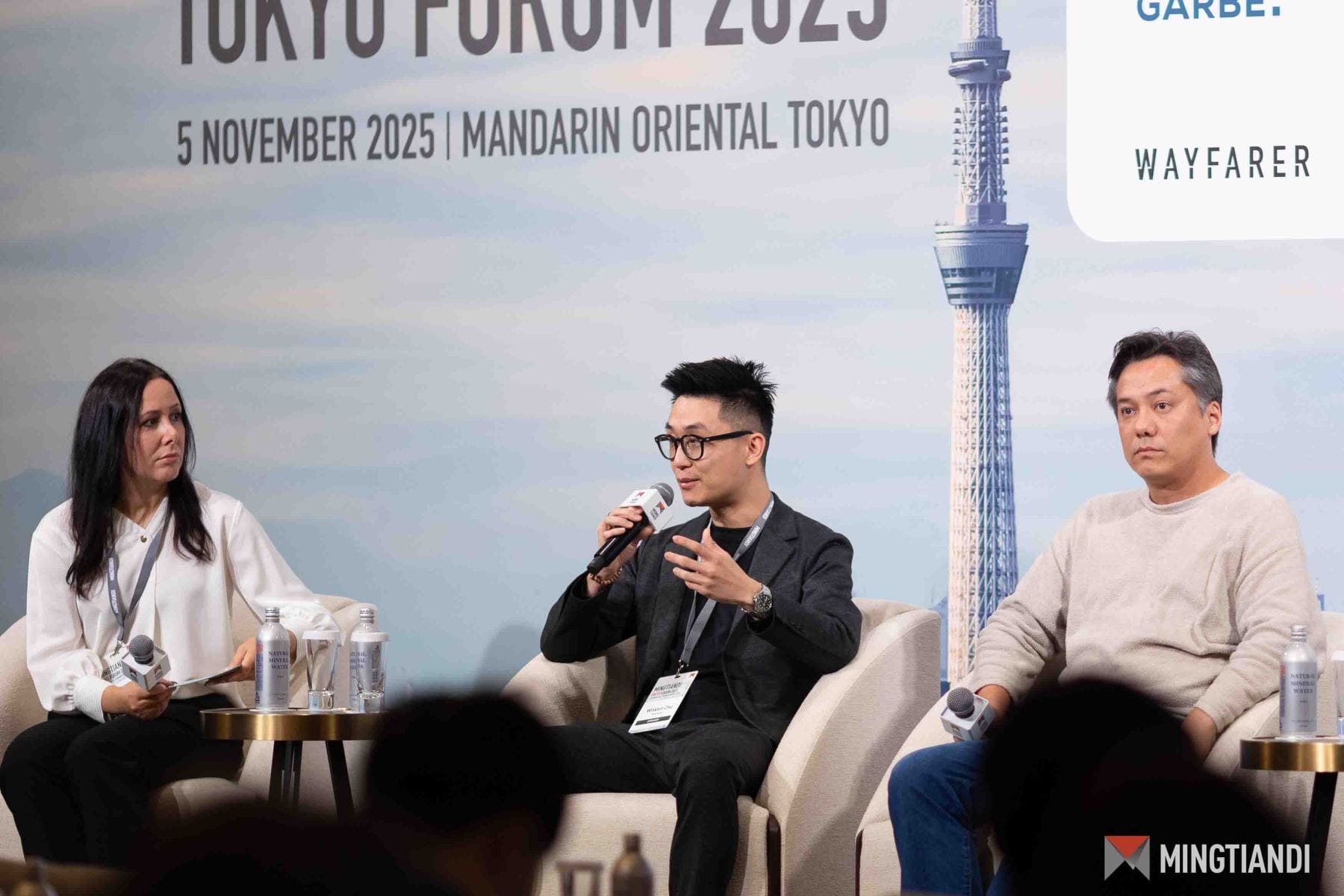
Wayfarer co-founder and CEO Winston Chu noted that year-on-year growth in foreign arrivals was about 16 percent as of September, fuelled by a resurgence in demand from China and an increasing share of the pie from the Americas and Europe.
“And many of them are discovering Japan for the first time,” said Chu, whose firm manages a $150 million portfolio of 13 assets in the country. “So they’re still trying to figure out the difference between an onsen and a hot tub. Within that, we see a lot of opportunity for growth across different types of segments.”
Young and Fun-Loving
Wayfarer has developed a portfolio of brands catering to a variety of asset types, room counts and room configurations, with opportunities for growth and collaboration with diverse asset owners to target specific properties, according to Chu.

Kou Sundberg of Kiraku speaking at the Mingtiandi Tokyo Forum
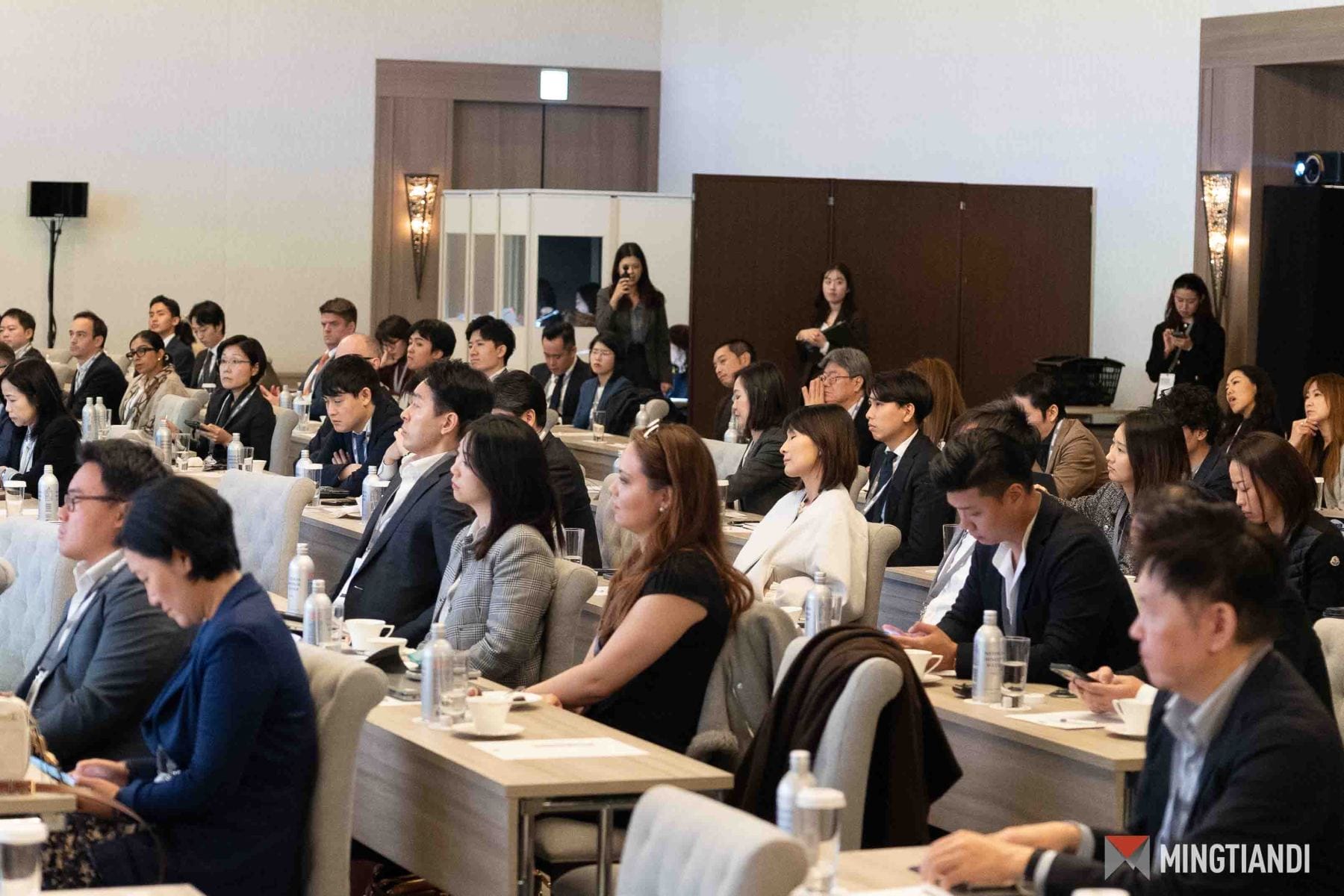
“We always target the kind of younger cohort of leisure travellers who are looking for quality, hassle-free stays at a value-for-money price,” he told the audience of over 200 delegates at the Mandarin Oriental Tokyo. “And for us, you know, we will just continue to expand where this customer already is and also where we expect them to go as they explore more of Japan.”
At Cove Japan, a co-living company that provides fully furnished, flexible rental apartments, country director Kentaro Sato has observed rising numbers of foreign working professionals, freelancers and digital nomads.
“And they still keep the job in the US or Europe,” he said. “And they are like, I’m going to Bali next month, I’m just enjoying Tokyo for a month.”
Cove aims to provide a shared experience with a common kitchen and living areas, targeting guests who want to have fun in Tokyo.
“That type of product, I believe that we don’t have enough in Tokyo,” Sato said.
Uncovering Hidden Gems
Beyond the major cities, Kou Sundberg’s Kiraku recently announced a partnership with Hyatt Hotels to invest in the development of luxury hot spring hotels under the Atona brand. Atona plans to begin operating in 2026 at three locations in Hakone (a spa town west of Tokyo), Yufu (on Kyushu island) and Yakushima (a remote island south of Kyushu).
In Kiraku’s home base of Kyoto, Sundberg has noticed more inbound tourists from Europe and North America in their 20s to 40s. As these guests explore deeper into the countryside, the tendency is to get intimidated and uncomfortable with the unfamiliar surroundings, he said.
“With the joint venture with Hyatt, what we try to do is to really uncover the hidden gems in the region, by just giving a more noticeable, marketable approach,” Sundberg said. “And also make the asset a little bit more modernised in a sense.”
A Panel in Pictures





















Leave a Reply