
Japan’s changing society is creating opportunities in the country’s living sector, as urbanisation and inbound migration bring more mobile young professionals and students into Tokyo and other major cities, according to a top executive from Warburg Pincus’ real estate team in the region. Watch the full recording>>
Having acquired a more than 16,000 room portfolio of Tokyo co-living assets earlier this year, the US private equity giant sees opportunities to grow that business, while also expanding into other segments of Japan’s fragmented rental housing market, Takashi Murata, a managing director who serves as the company’s, co-head of Asia real estate and head of Japan said at the Mingtiandi Tokyo Forum on Wednesday.
“We saw a lot of opportunity to streamline the operation, digitize the operation, and possibly create a platform out of it,” Murata said of Warburg Pincus’ inaugural investment in Japan’s rental housing sector in an interview with Mingtiandi founder Michael Cole.
With Warburg PIncus’ acquisition of the Tokyo Beta portfolio giving it around 55 percent of the market for ‘share house” communal living facilities in Tokyo, Murata sees opportunities to boost returns on those assets through expansion of the business, as well as through deployment of tech systems. Leveraging his more than 25 years in Japan’s real estate markets, Murata also sees opportunities to expand into adjacent segments of the living sector, such as student housing.
Optimise and Scale
Having invested in rental housing platforms in Greater China, South Korea, Australia and other APAC markets, since taking over the Tokyo Beta portfolio, Warburg Pincus’ team has been analysing tenant data to learn more about resident requirements, and optimising leasing in the properties.
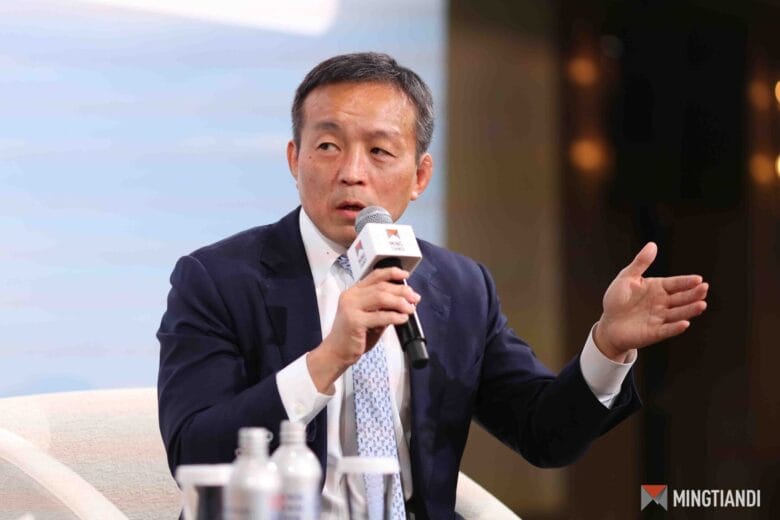
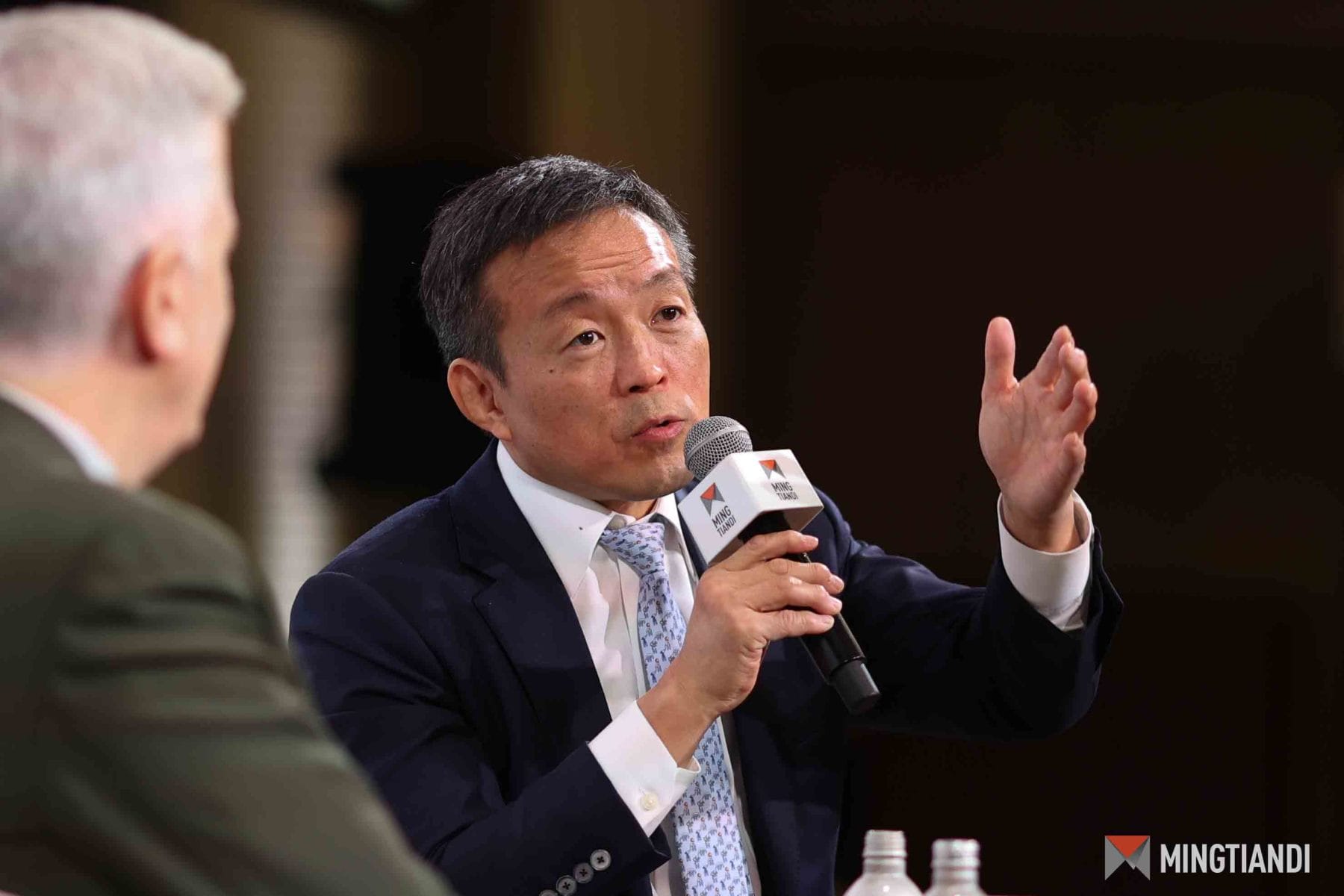
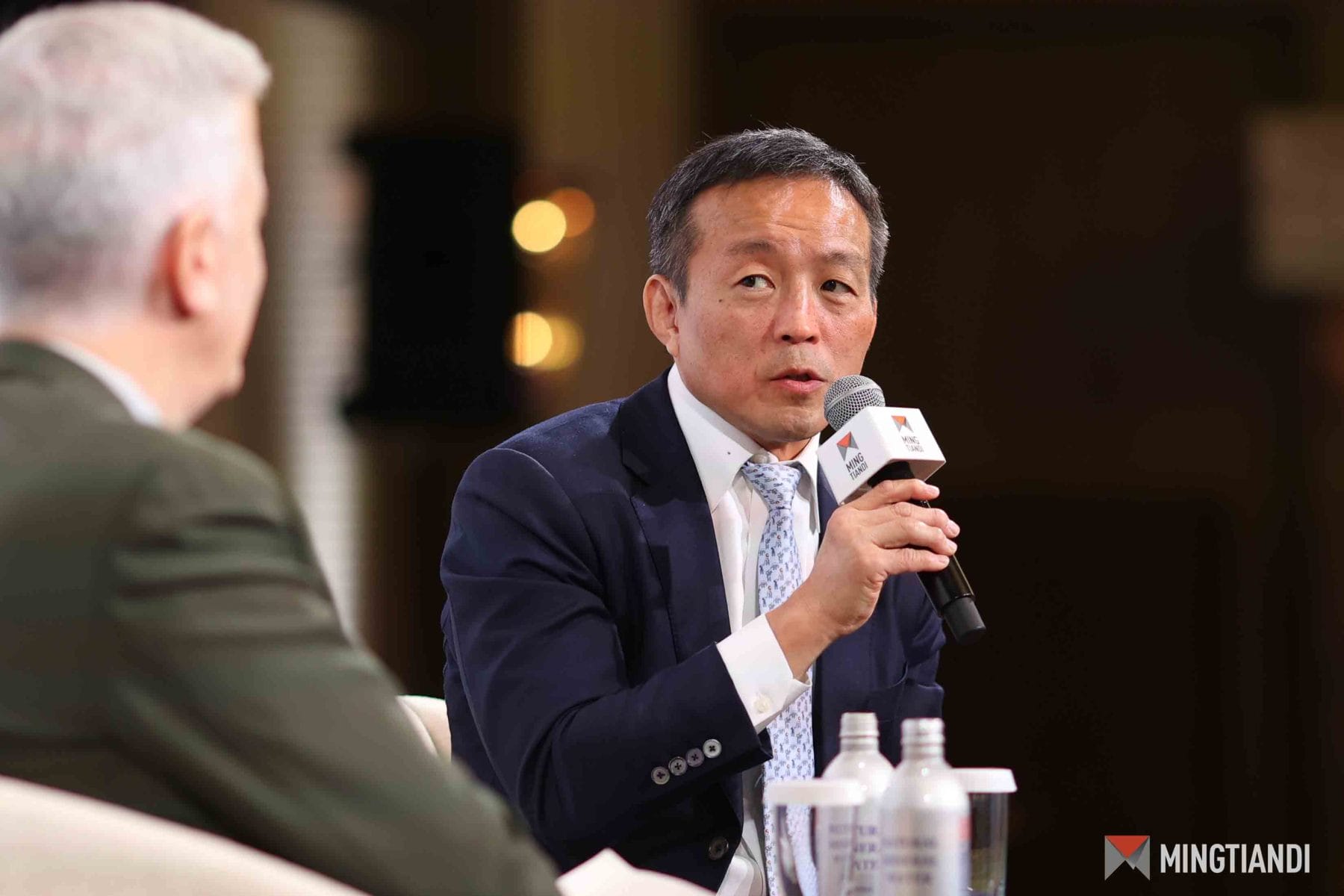
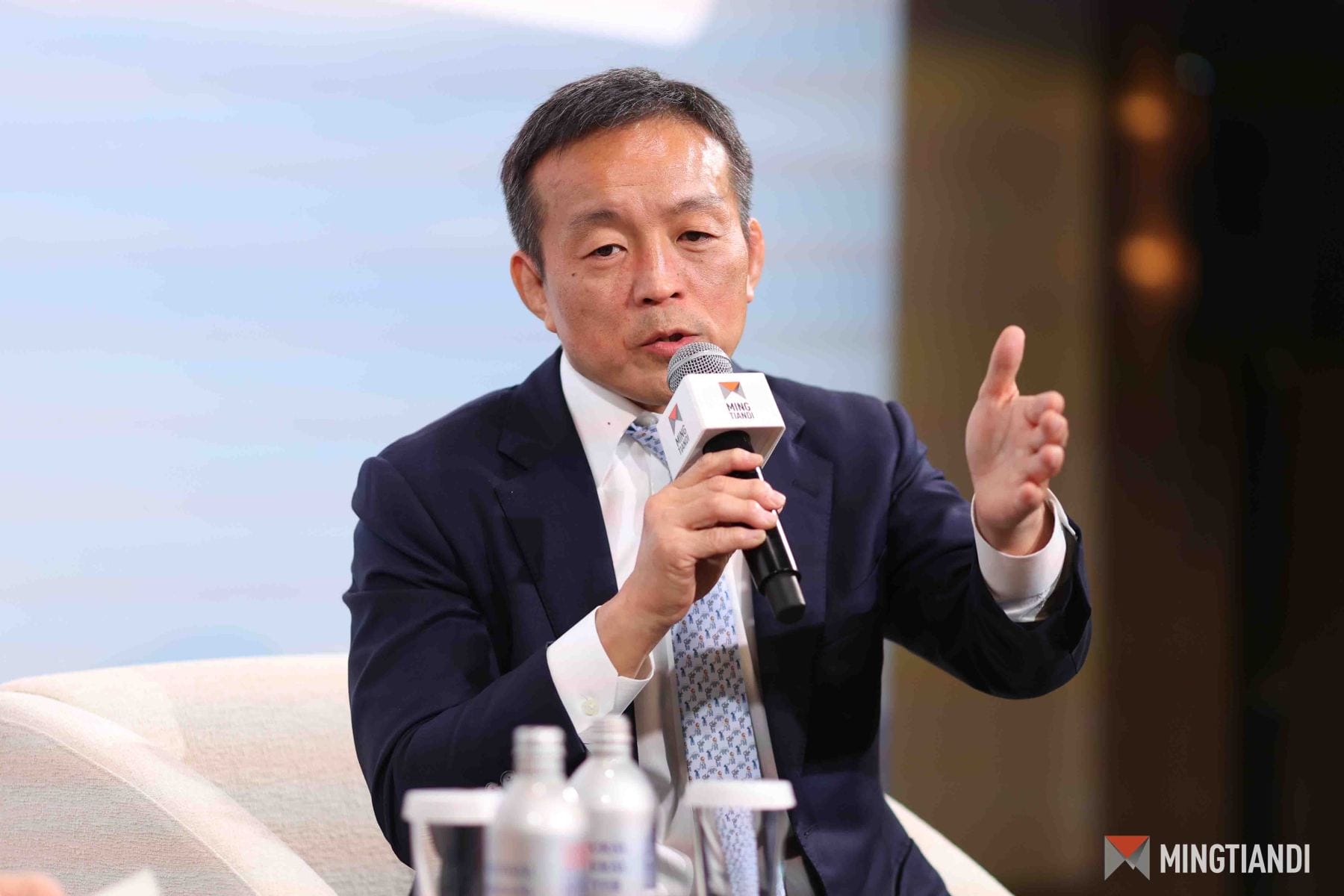
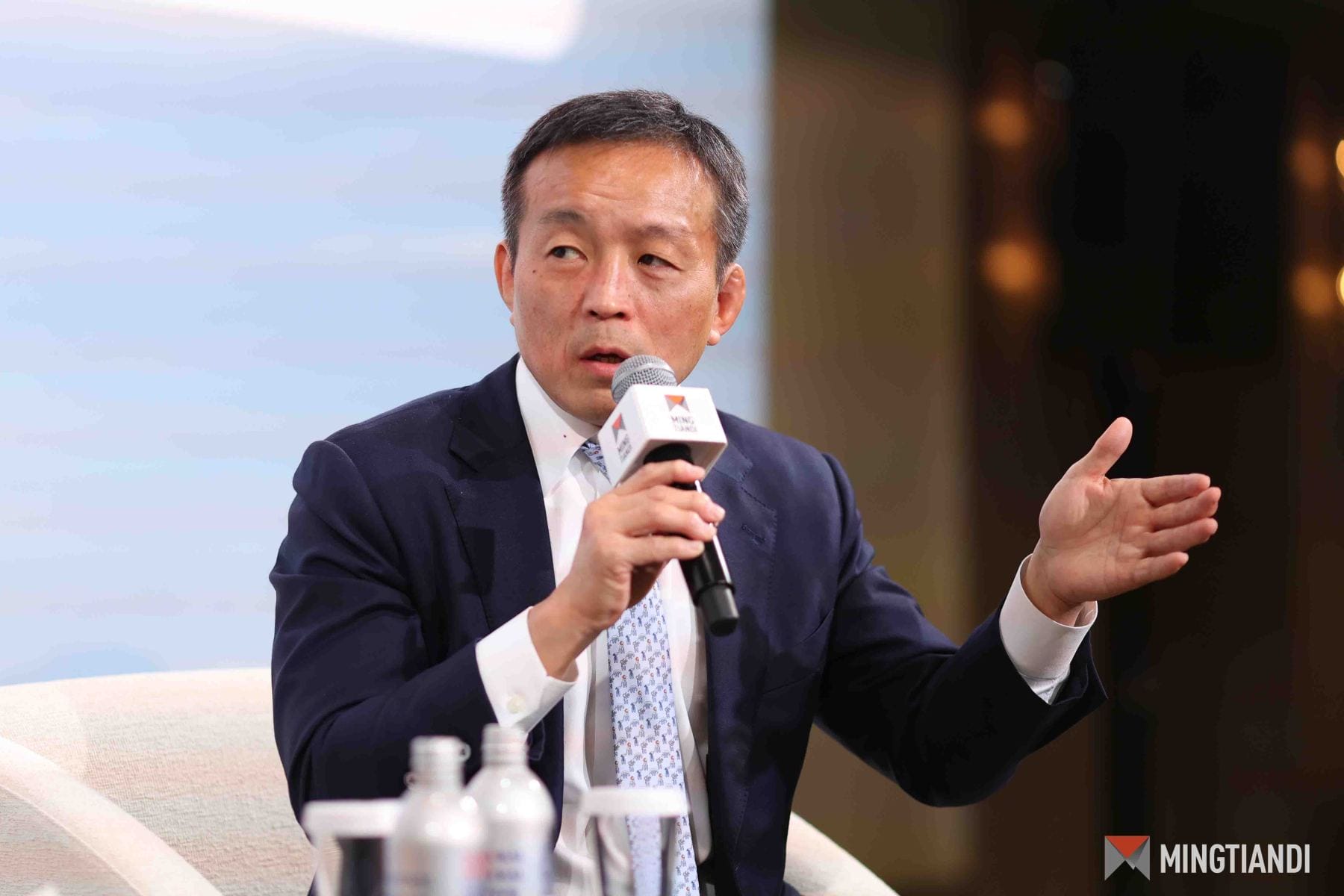
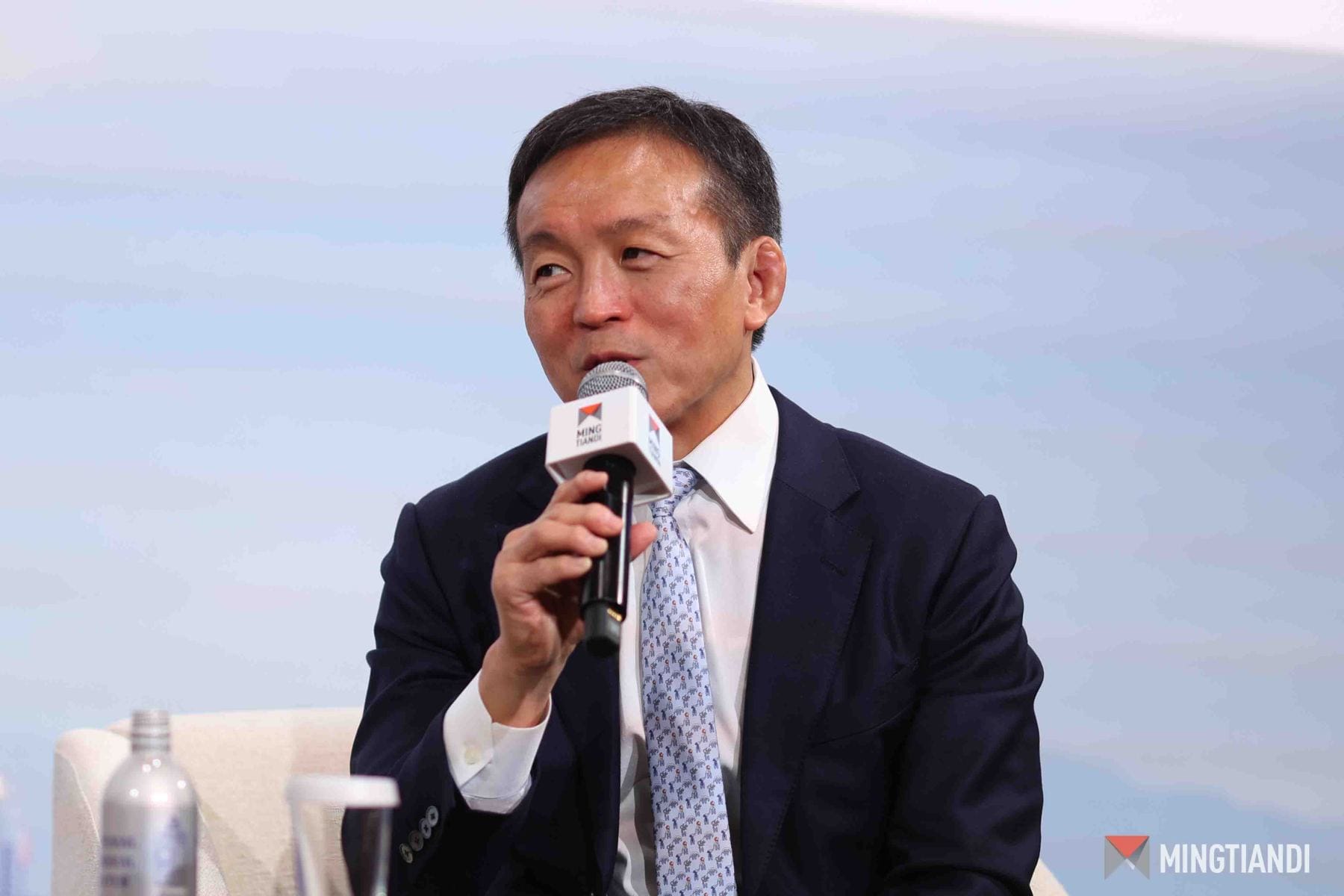
Tak Murata of Warburg Pincus at the Mingtiandi Tokyo Forum
By engaging with residents directly through an online platform, the company is working to enhance tenant retention and boost rental income by introducing upgraded communal features and services to the properties.
With opportunities to add to the portfolio through development of new properties, the company also hopes to introduce new layouts which will improve the resident experience.
“With better marketing, better engagement, and better operation, we see a lot more exciting things in the future. And once we establish that, there could be a better design of these assets, and there could be a future where we build more of these as well,” Murata said.
With most of the Tokyo Beta residents in their 20s and 30s, the veteran investor also sees opportunities to expand the business into areas like student, housing – a subsector which he describes as currently underdifferentiated in Japan. “When you look at the product…It’s like a studio apartment room and there’s no communal factor to it,” he said, noting that around half of the residents in the Tokyo Beta platform are now students, creating a path to expand its offerings for this market sector.
Housing Expertise
Warburg Pincus’ plans for Japan’s living sector align with the firm’s experience investing in living sector platforms across Asia Pacific in recent decades, with the sector accounting for about a third of its real estate investments in the region.
As the major institutional investor in Weave Living, Warburg Pincus plays a key role in one of the region’s fastest growing rental residential businesses, with that group having expanded into five major markets around the region.
In China, Warburg Pincus-backed Vlinker, an affordable rental housing platform based in Shanghai, is achieving returns “from the high teens to over 20 percent” despite challenging market conditions, Murata said.
With South Korea now qualifying as a super-aged society with over 20 percent of its population past the age of 65, Warburg PIncus earlier this year established a partnership with local player SK D&D focusing on senior housing in the Greater Seoul area.
And in Australia, the company is backing build-to-rent platform KIO, which aims to build an A$1 billion ($649 million) portfolio of apartments in Australia’s major cities.
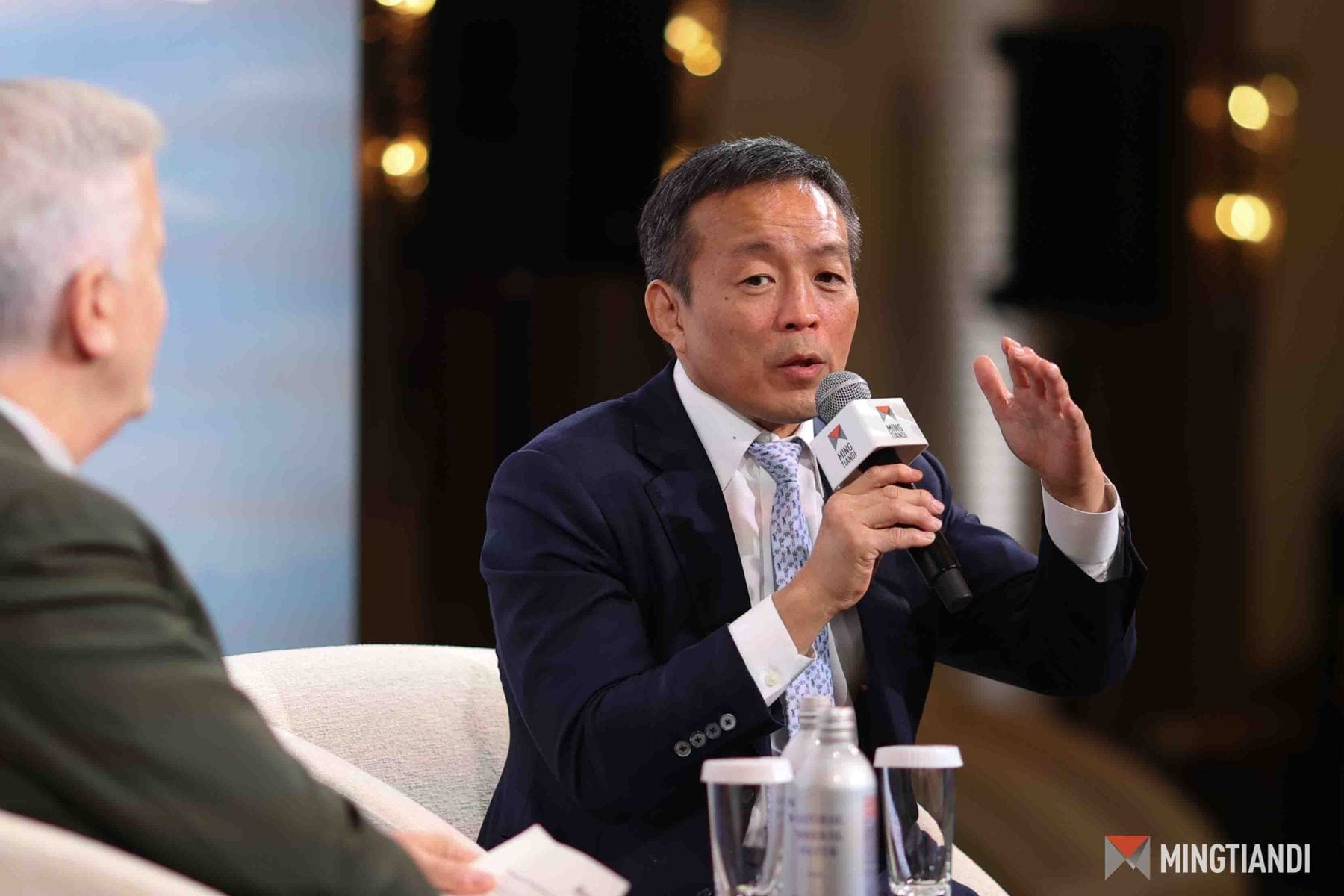
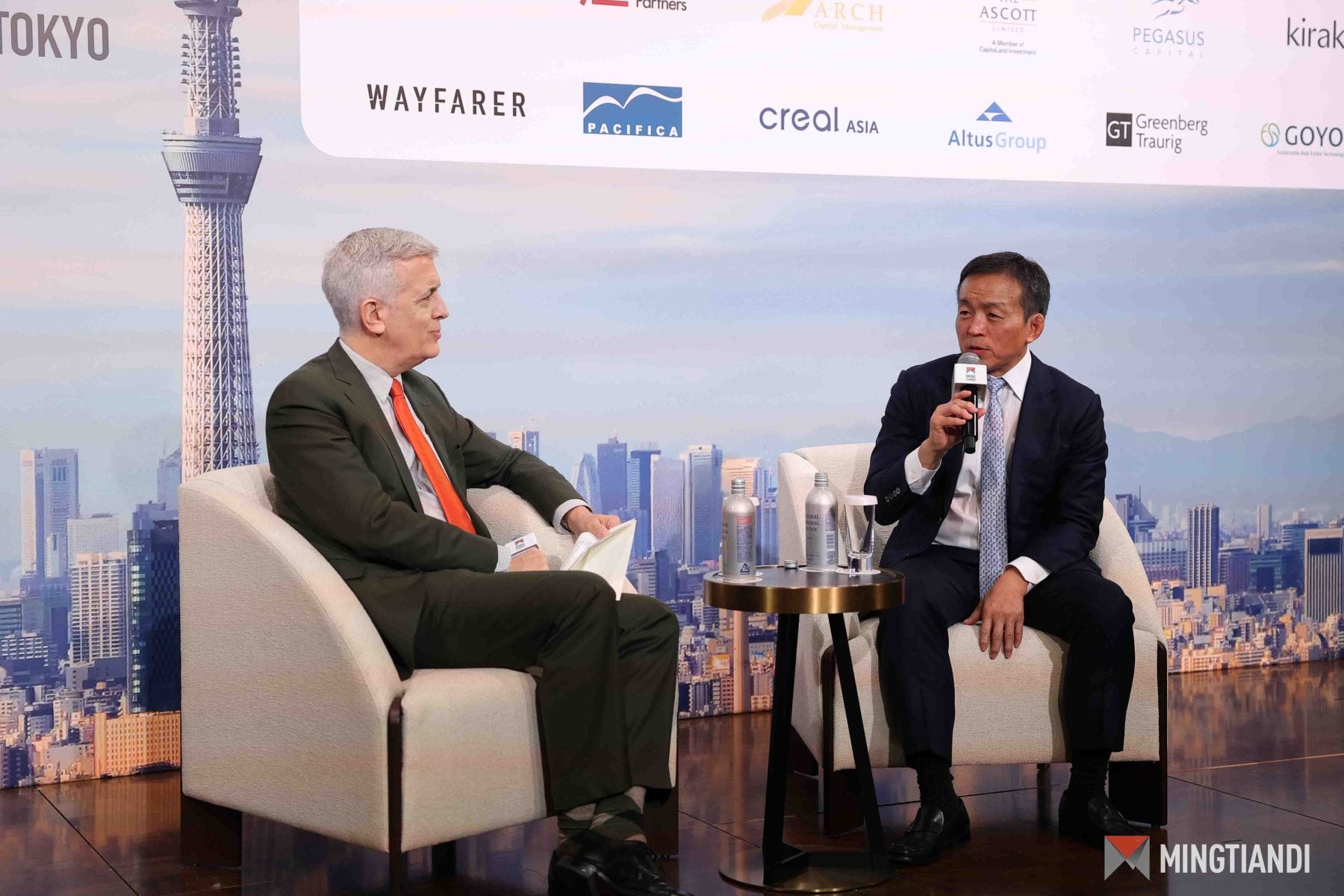
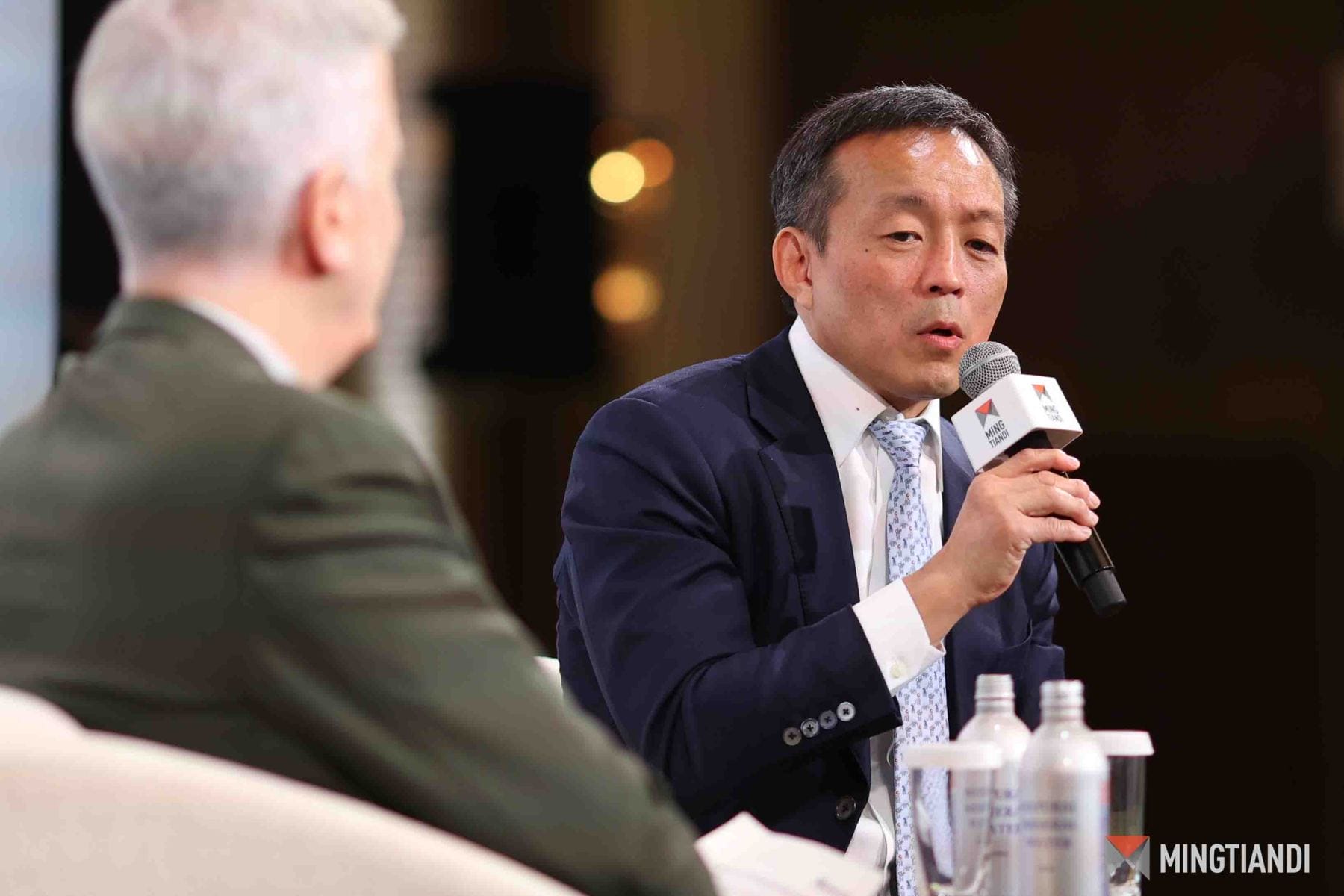
An Interview in Pictures


Leave a Reply