
Hotel investors in Japan face a choice of quickly unlocking value by changing how an existing asset is run or accepting a lengthier timeline to develop a more purpose-built property from the ground up, according to speakers at the Mingtiandi Tokyo Forum. Watch the full recording>>
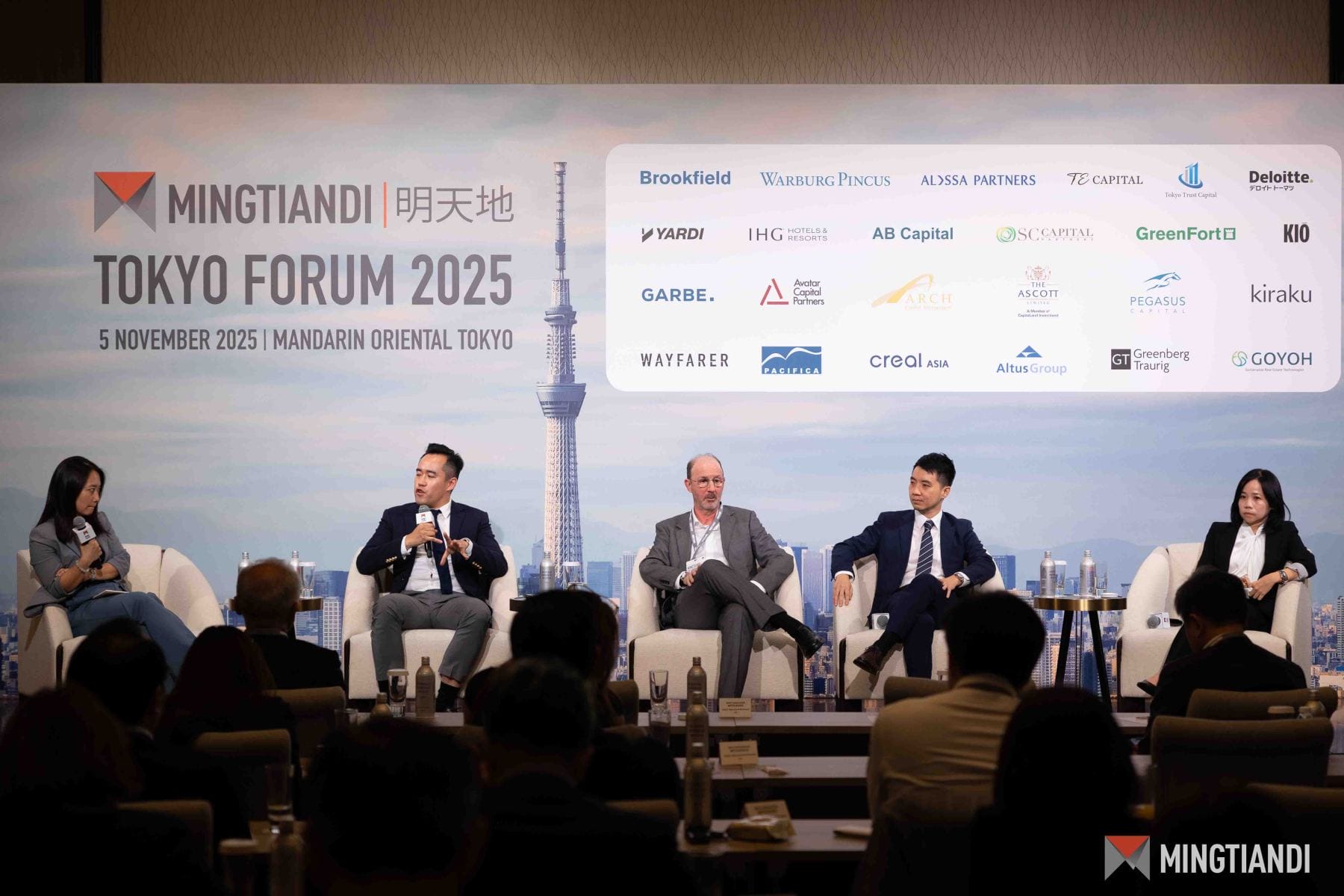
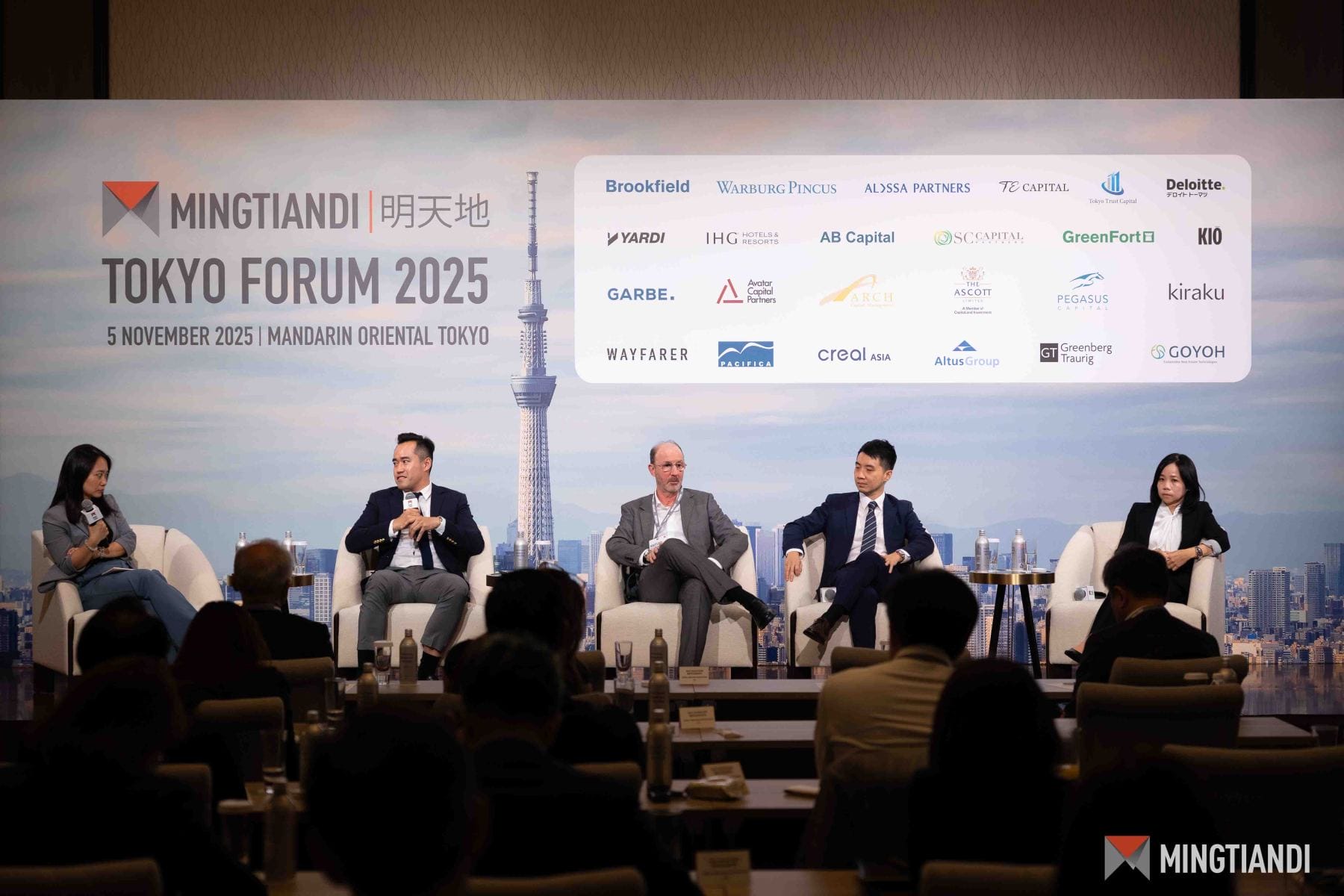
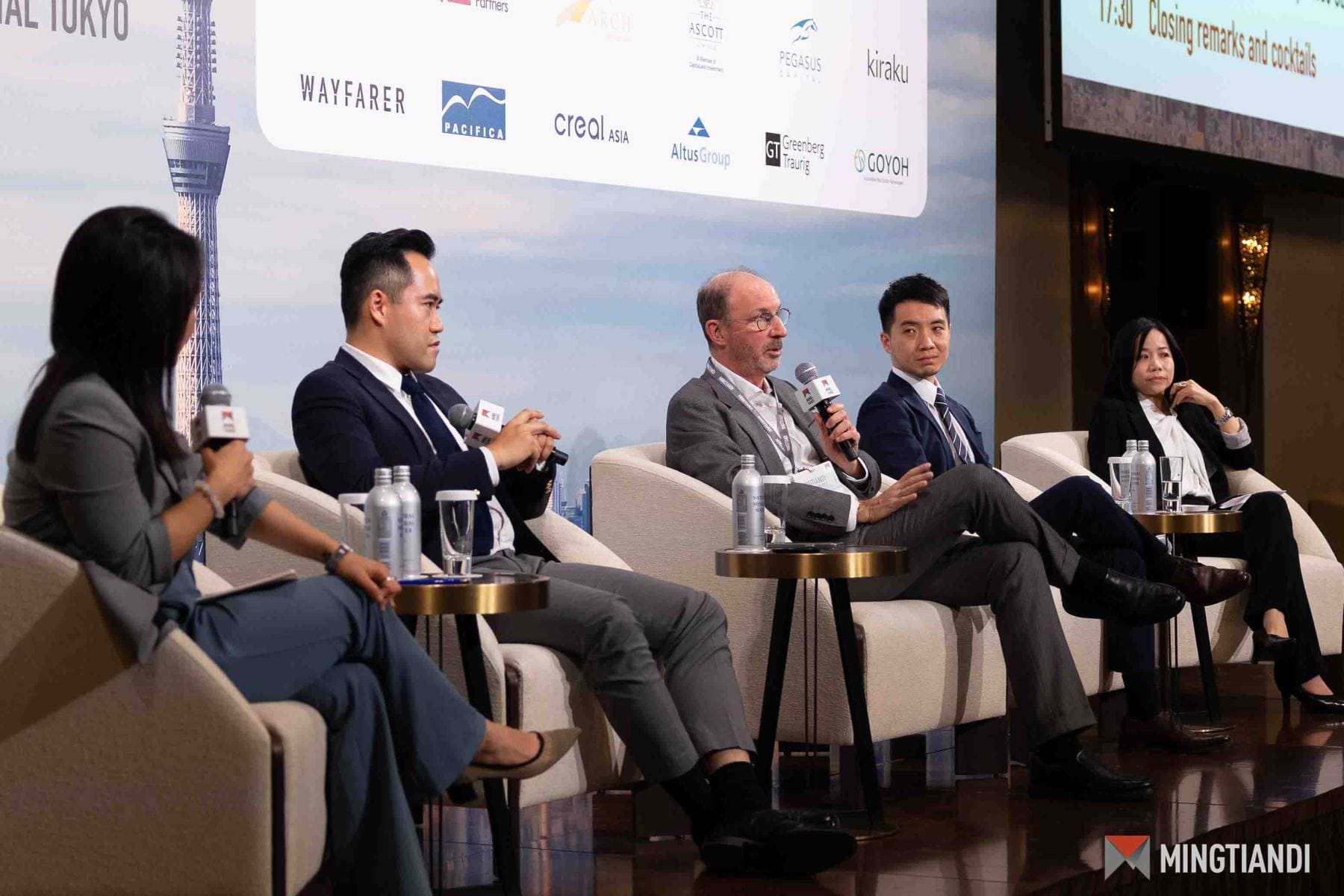
To argue the relative merits of acquiring and repositioning assets versus taking on more development risk with greenfield projects, senior leaders from The Ascott Ltd, Pegasus Capital, Pacifica Capital and CREAL Asia joined a panel discussion at last week’s full-day event.
Pacifica CEO Seth Sulkin, whose firm runs Marriott- and IHG-branded properties, noted that value-add strategies involving rebranding, changing operators or undertaking renovations can be executed in less than a year, although Japanese investors increasingly prefer the organic approach of greenfield development, which typically takes three years or longer.
“They’re quite happy to wait three years or more to get a better hotel,” Sulkin told the audience of over 200 delegates at the Mandarin Oriental Tokyo. “There just aren’t opportunities to acquire upscale and upper-upscale hotels with vacant possession. So if you want to have a better hotel, you have no choice but to build it from scratch.”
Post-COVID Shift
A veteran of more than 30 years investing in Japanese real estate, Sulkin has developed hotels across multiple cities in the country. Post-pandemic, he’s seen “virtually zero interest” from foreign investors in greenfield hotel developments, with new capital for such projects sourced almost entirely from Japan.
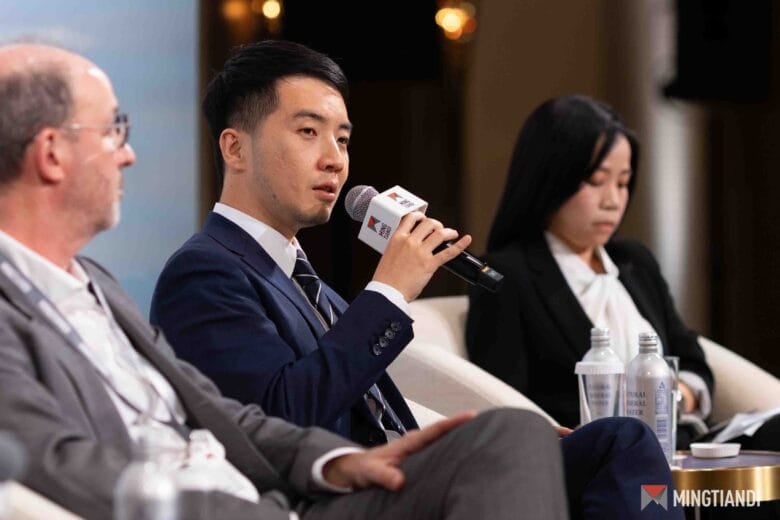
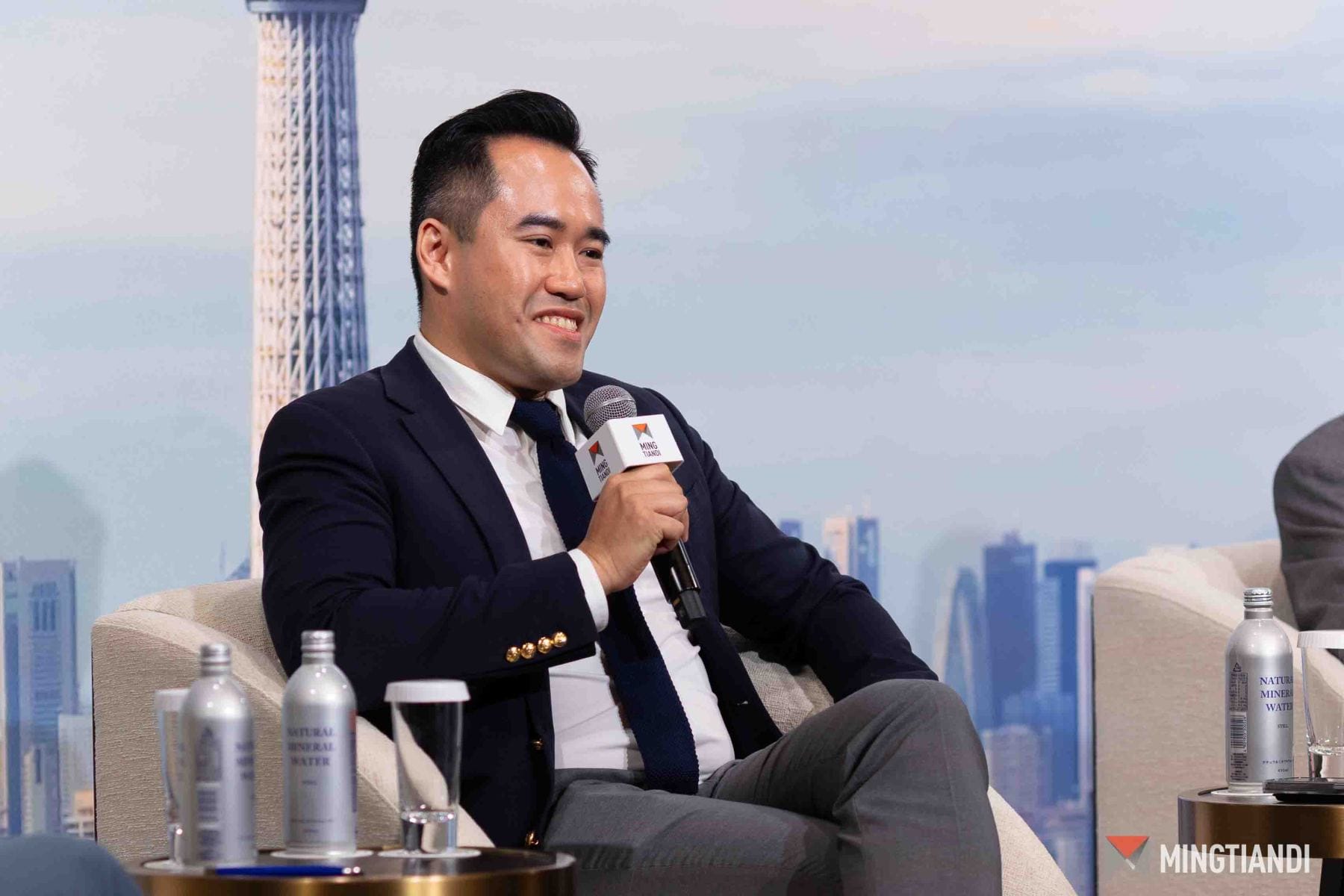
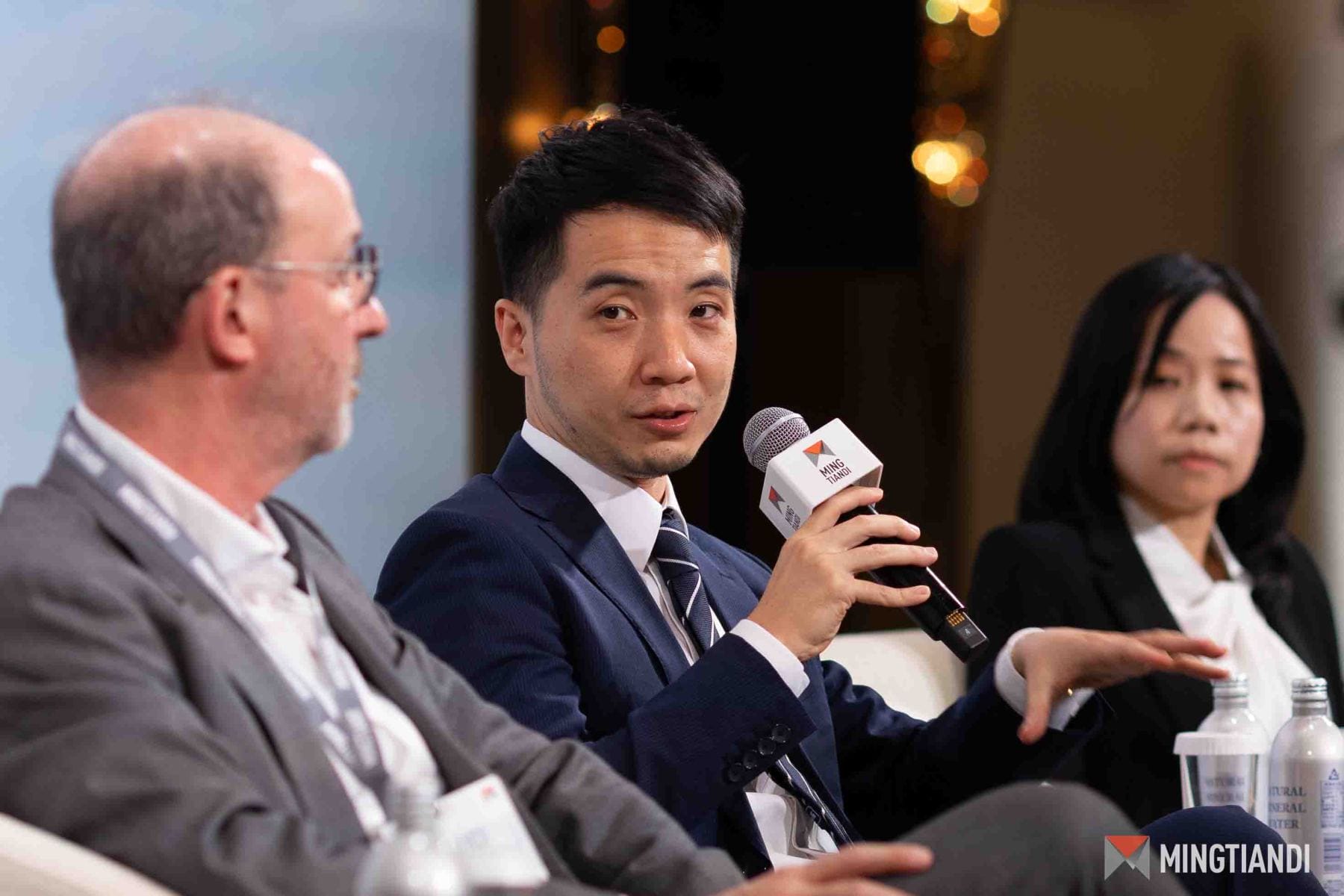
Daniel Wei of CREAL Asia on stage at the Mingtiandi Tokyo Forum
“Pre-COVID, there were a lot of master leases where the operators were tenants paying fixed rent, and Japanese investors thought that they were getting basically 20-year corporate bonds,” Sulkin said. “What they found during COVID was that they had none of the upside and all the downside. And so that way of thinking has changed, and now Japanese investors are much more willing to accept variable income risks that you get when you do an international brand. So that’s been a huge change.”
Pegasus founder Perry Tan, who has sourced, acquired and executed transactions involving $150 million in gross assets since 2018, said that when looking at an existing build, he first determines whether there is potential to increase the asset’s net operating income, before mapping out his investment plan and exit strategy.
“There are companies that just need to sell their assets with, let’s say, a few months’ notice and we acquire it, but we can get it at five, maybe six (percent cap rate) on day one,” Tan said. “And to put in more value-add, you can assume that would be a seven or eight cap upon stabilisation.”
Conversion Challenges
Daniel Wei, head of Singapore at Tokyo-listed CREAL, said his firm is converting three or four existing hotels to its own brand, aimed at tourists on slightly long stays, while it develops about 15 projects from the ground up.
“It’s just very hard to find existing hotels because most of the hotels are business hotels,” Wei said. “So how are you going to convert small rooms into one large room? It’s not all the hotels you can do that. So that’s why we now do more developments than value-add at CREAL.”
Ascott’s Vivian Wong, who heads business development for Japan and Korea at the lodging unit of Singapore-based CapitaLand Investment, pointed to her firm’s value-add strategy of repositioning business and capsule hotels as co-living properties under the Lyf brand.
“For those conversion brands, we have been able to drive up the rents 2 to 3.5 times what it was originally before our operation,” Wong said. “So that’s the kind of value-add that we usually do for Japan.”
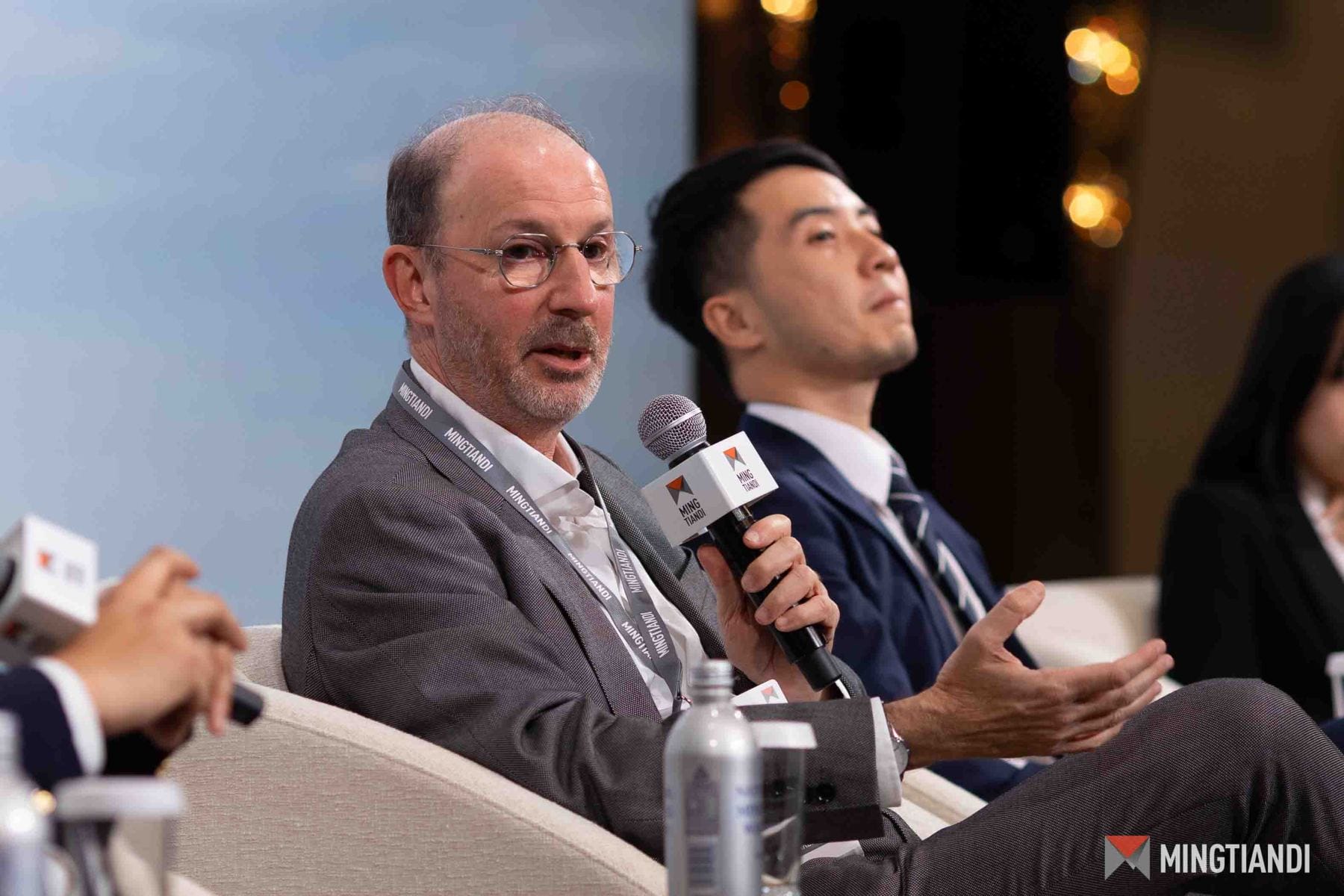
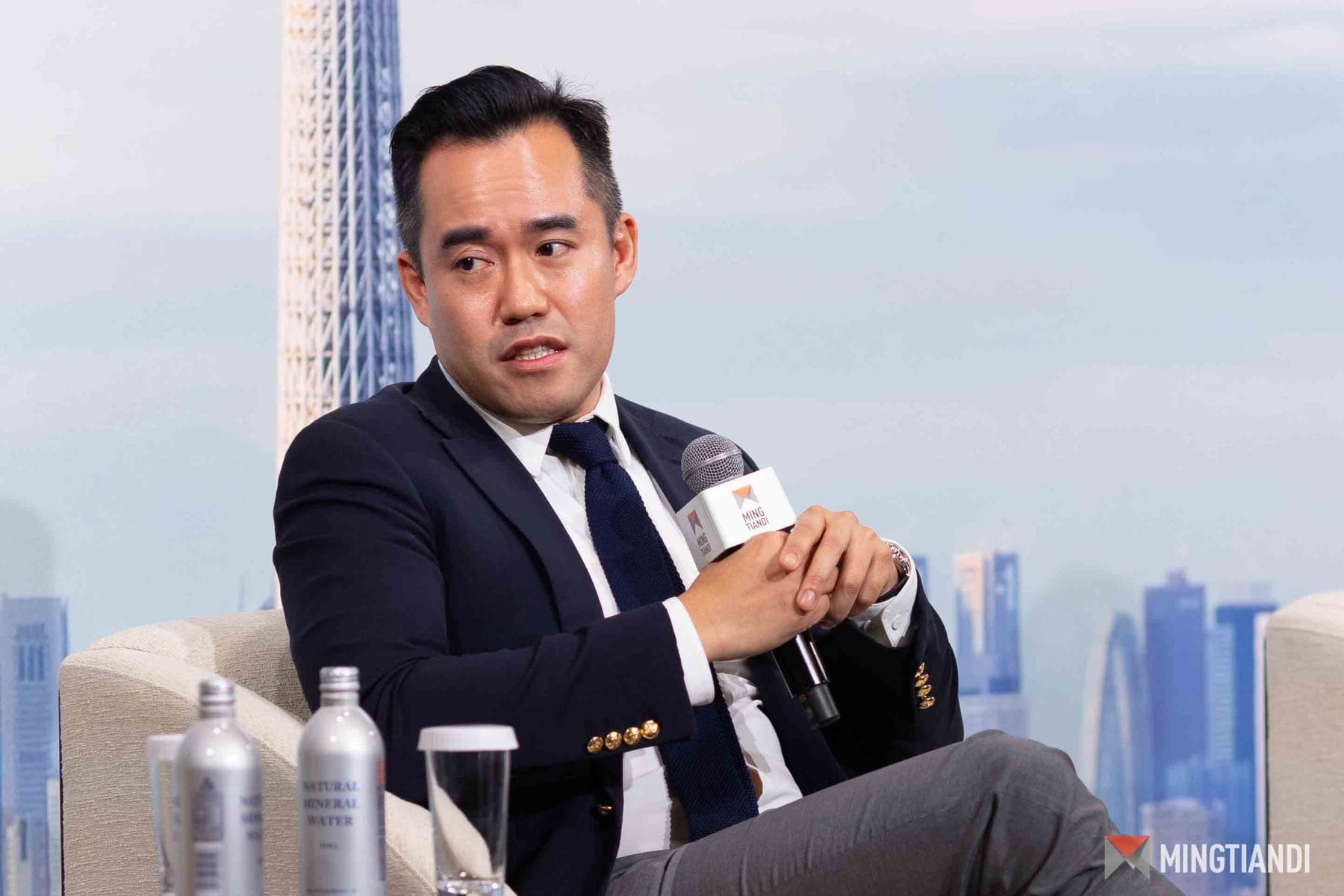
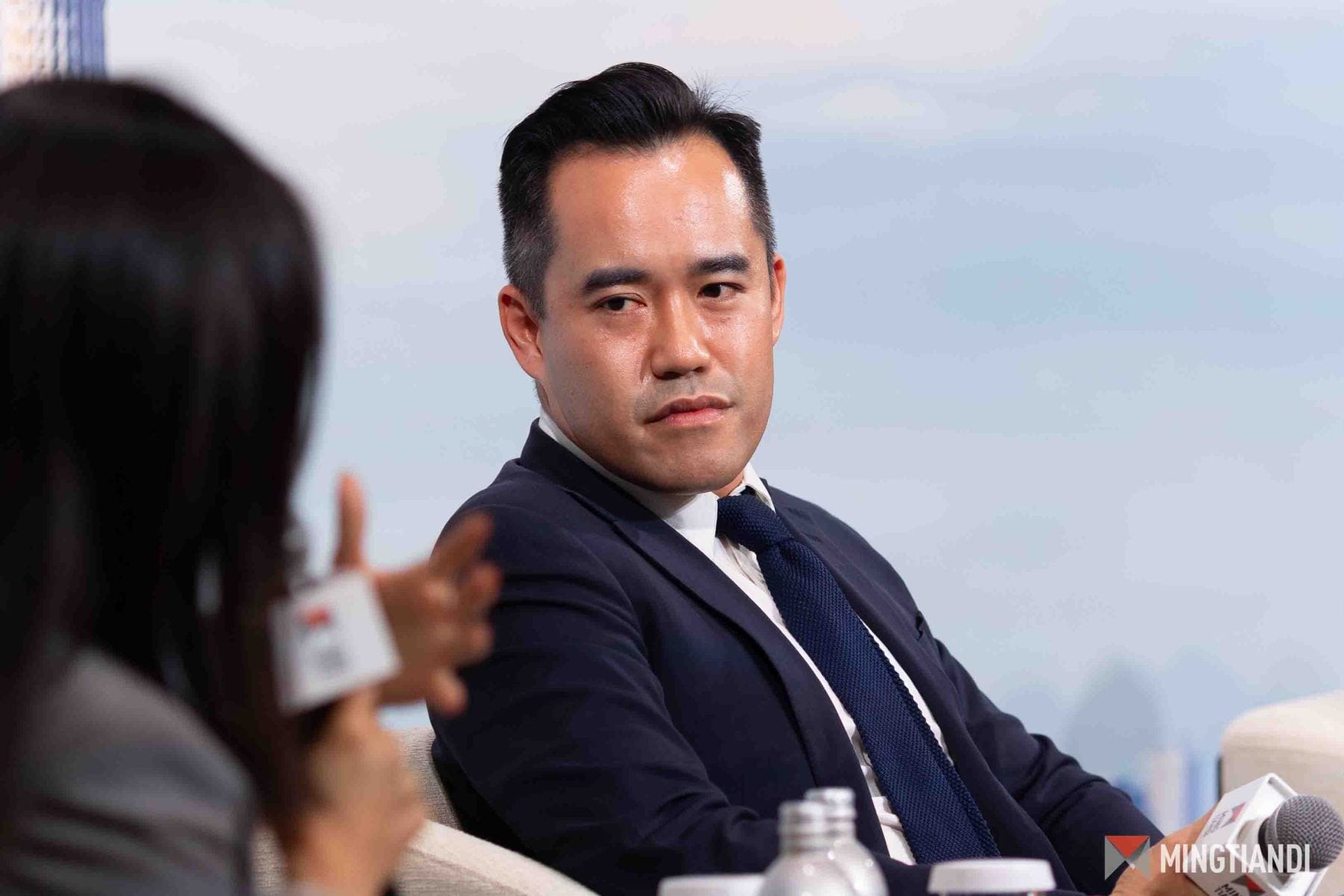
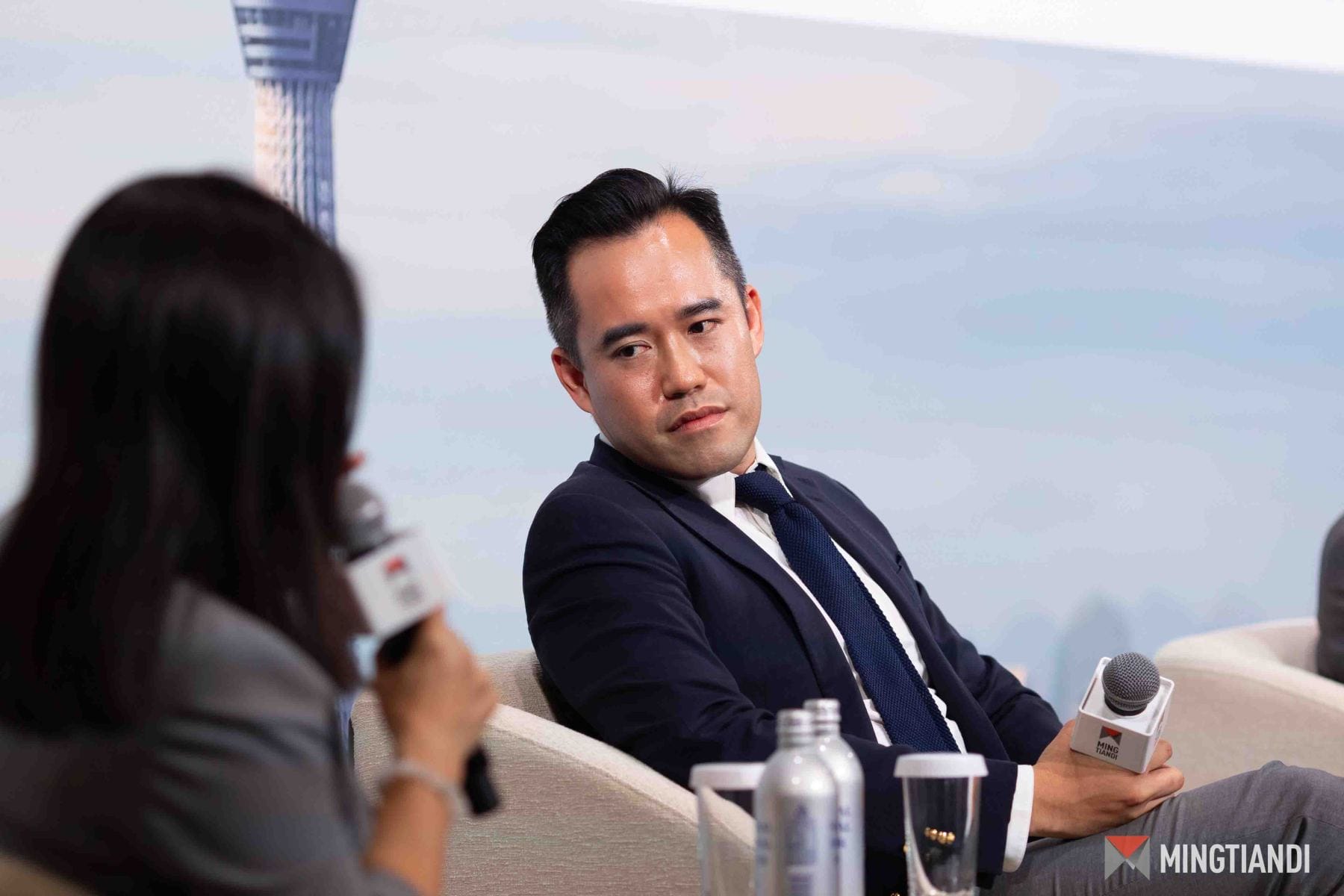
A Panel in Pictures
Leave a Reply