
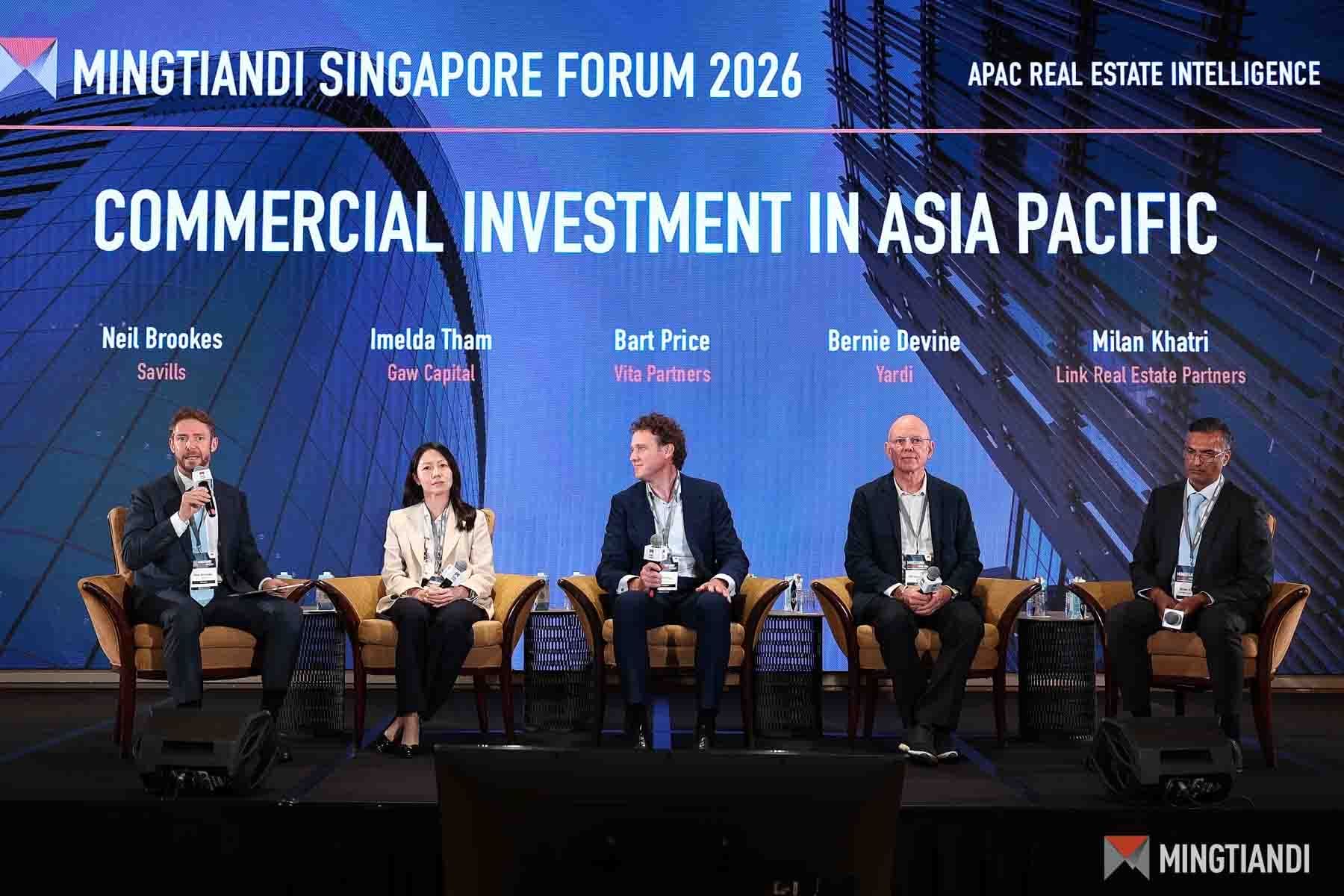
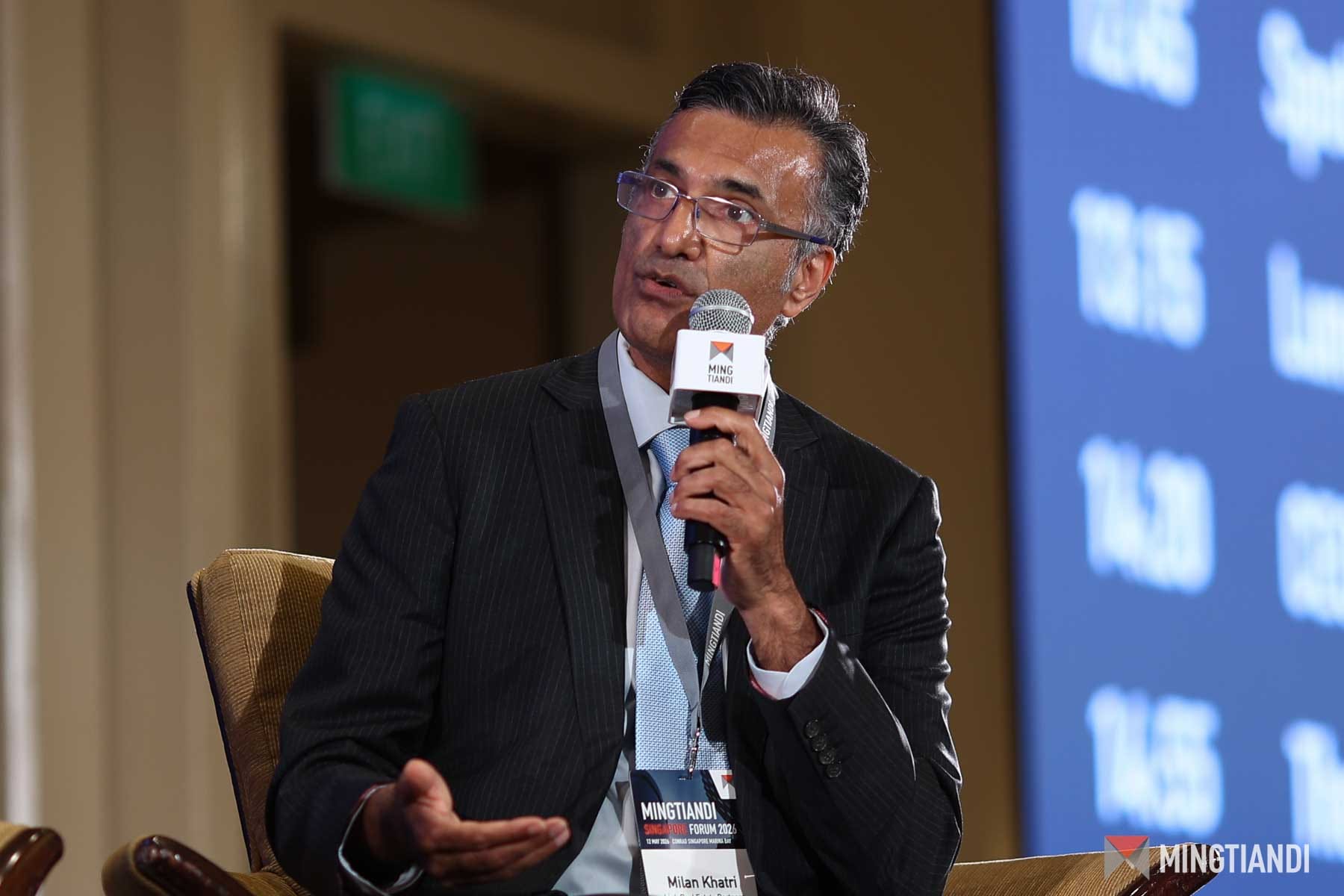
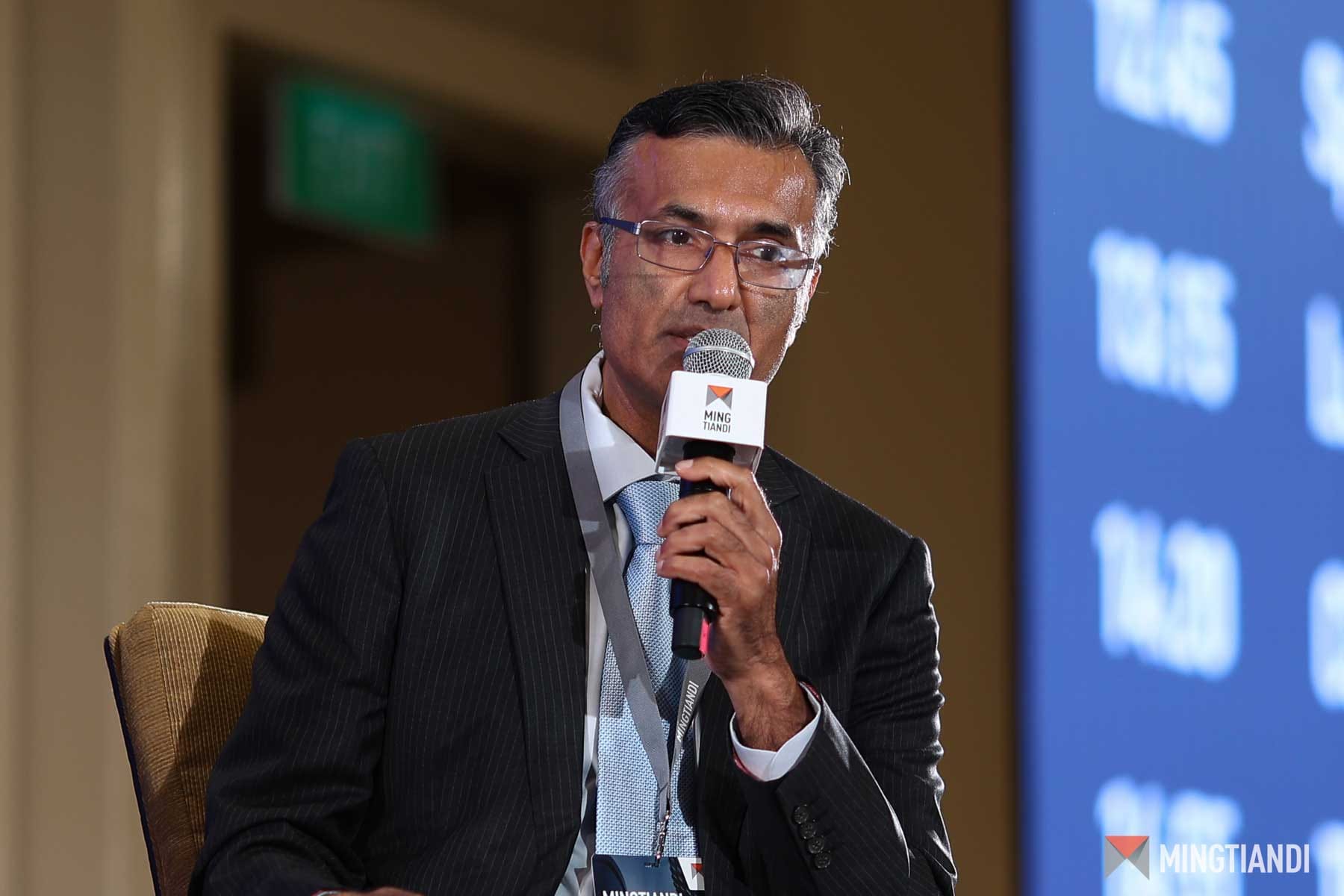
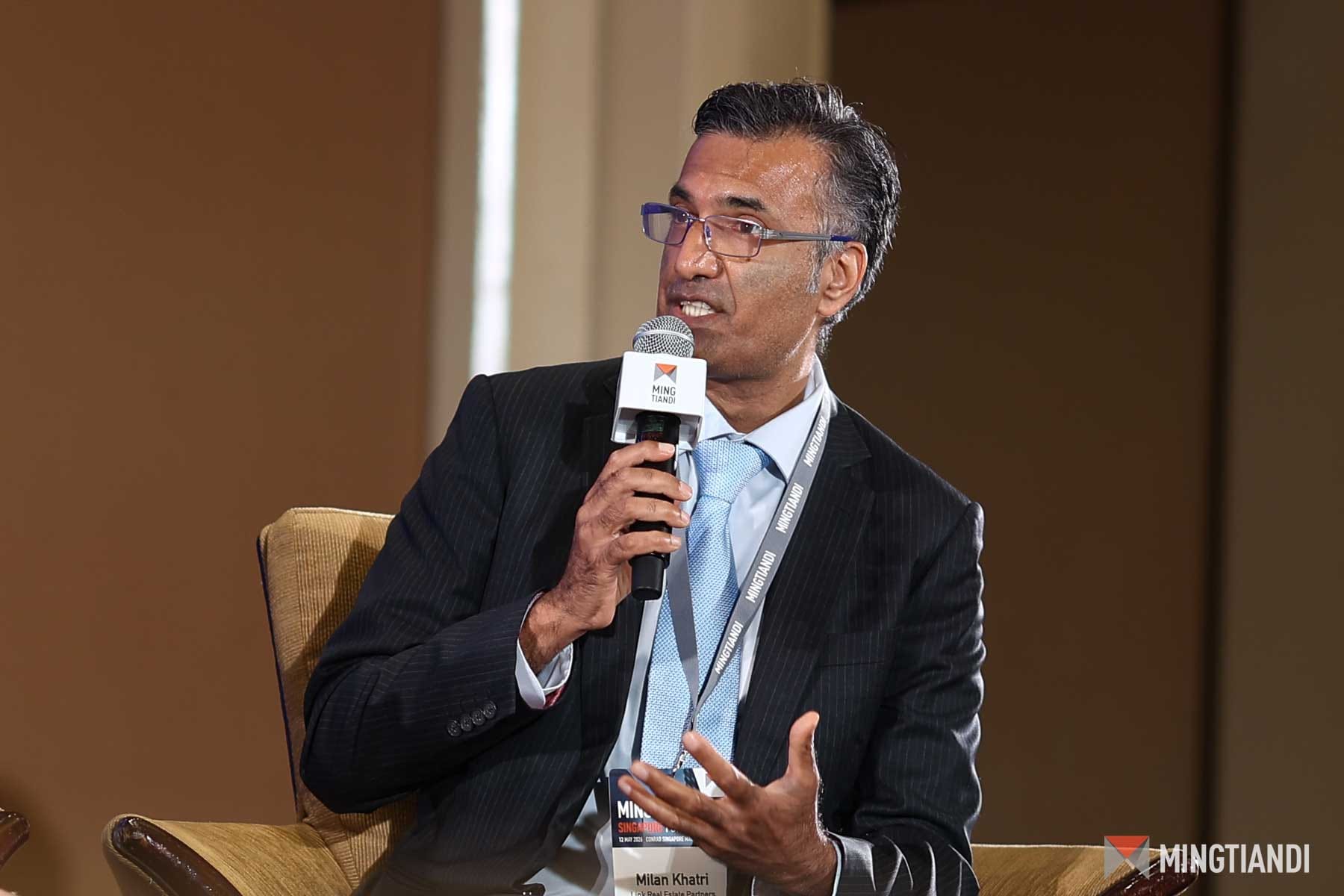
The value of commercial property sales across Asia Pacific’s developed markets has climbed about 20 percent above pre-COVID 2019 levels, a sign that confidence is returning to the region and that supply constraints across office and retail are setting the stage for rental growth, Milan Khatri, a director with Link Real Estate Partners who heads the firm’s research and strategy division, told the Mingtiandi Singapore Forum this past week.
“That already speaks to the fact that there is confidence already coming back to the market. I think the fundamentals are improving significantly as well, particularly when you look at the supply. I can’t think of any key developed market across Asia where supply is not going to come down in the next three to four years. That could be really positive for rental growth,” Khatri said.
Speaking to the audience of over 270 executives at the Yardi-sponsored event, Khatri attributed the supply constraint to a widening gap between construction costs, which have risen approximately 40 percent since 2021 and 2022, and rents, which have grown only about 15 to 20 percent over the same period — making new development economics increasingly difficult across the region.
The discussion came as geopolitical tensions and the risk of renewed inflation weigh on the investment outlook, with panellists arguing that Asia Pacific’s commercial real estate fundamentals are strong enough to weather near-term uncertainty and that selective investors can still find attractive returns across office, retail and specialist sectors.
Singapore and Japan Lead Recovery
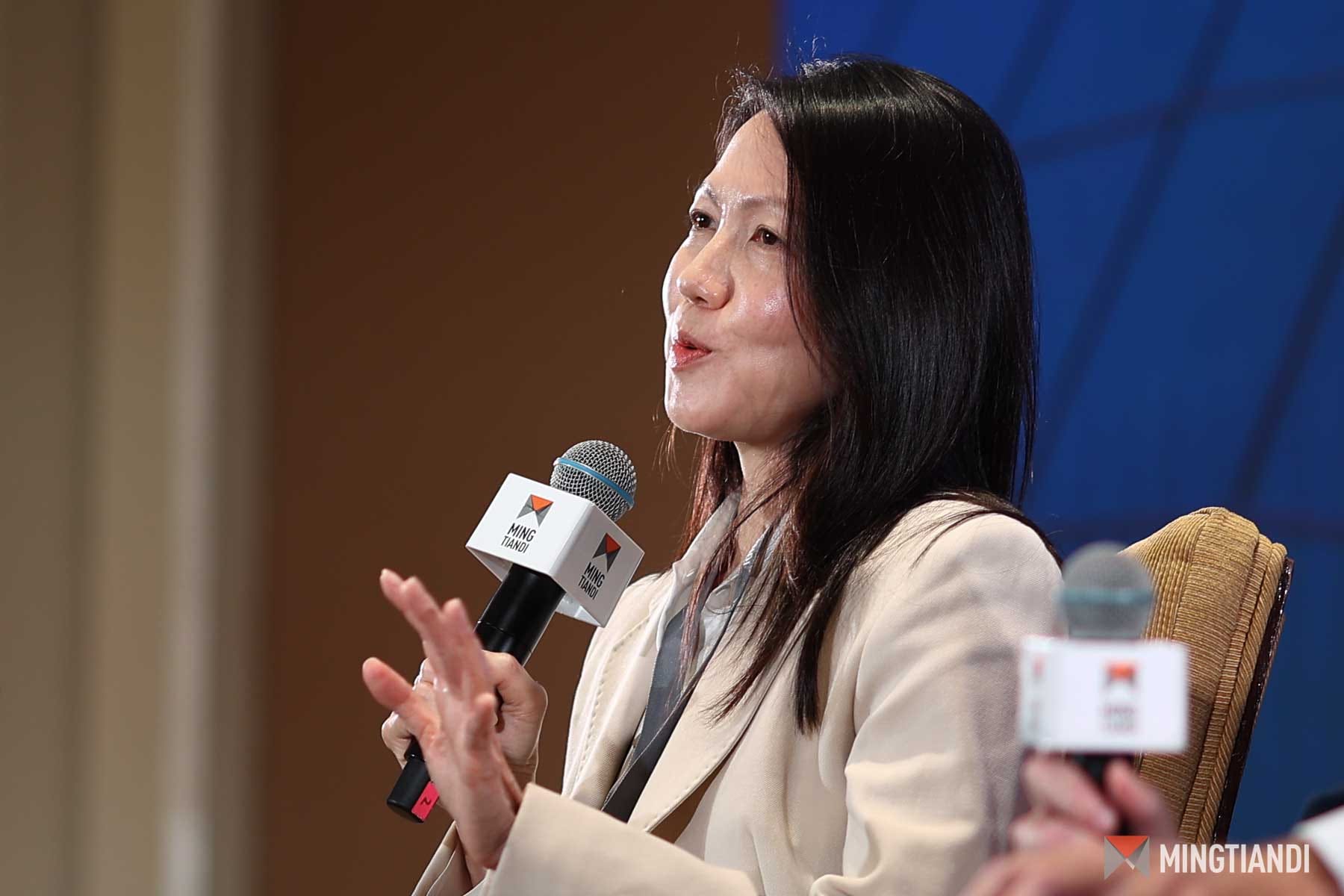
Imelda Tham, managing director for investments at Gaw Capital, sees Singapore and Japan leading the regional recovery, despite differing dynamics in the two markets. In Singapore, the lowering of interest rates has returned the office market to positive carry — with the country’s benchmark lending rate now at about 1 percent, as Tham noted — and has helped trades of commercial property assets double from last year.

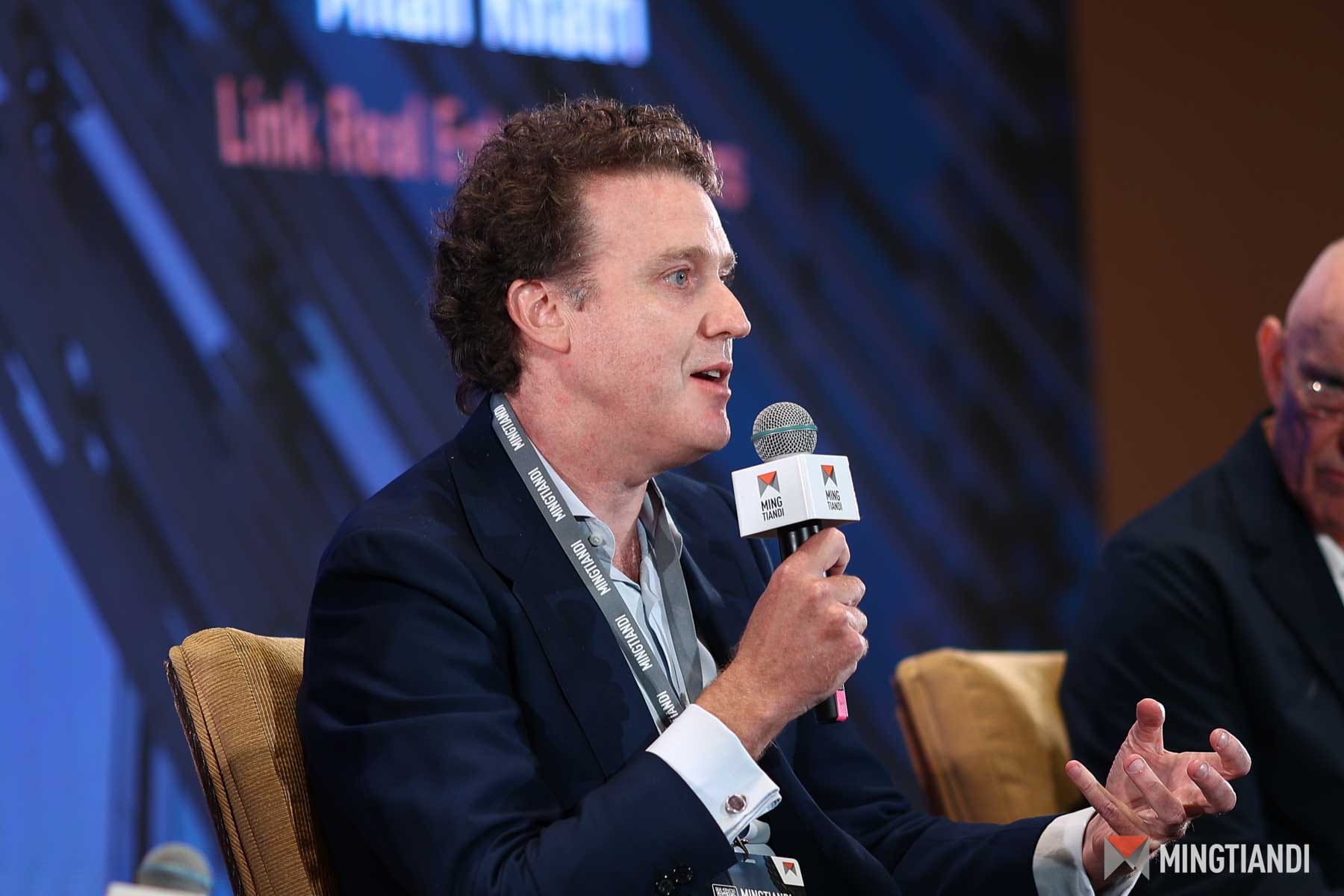
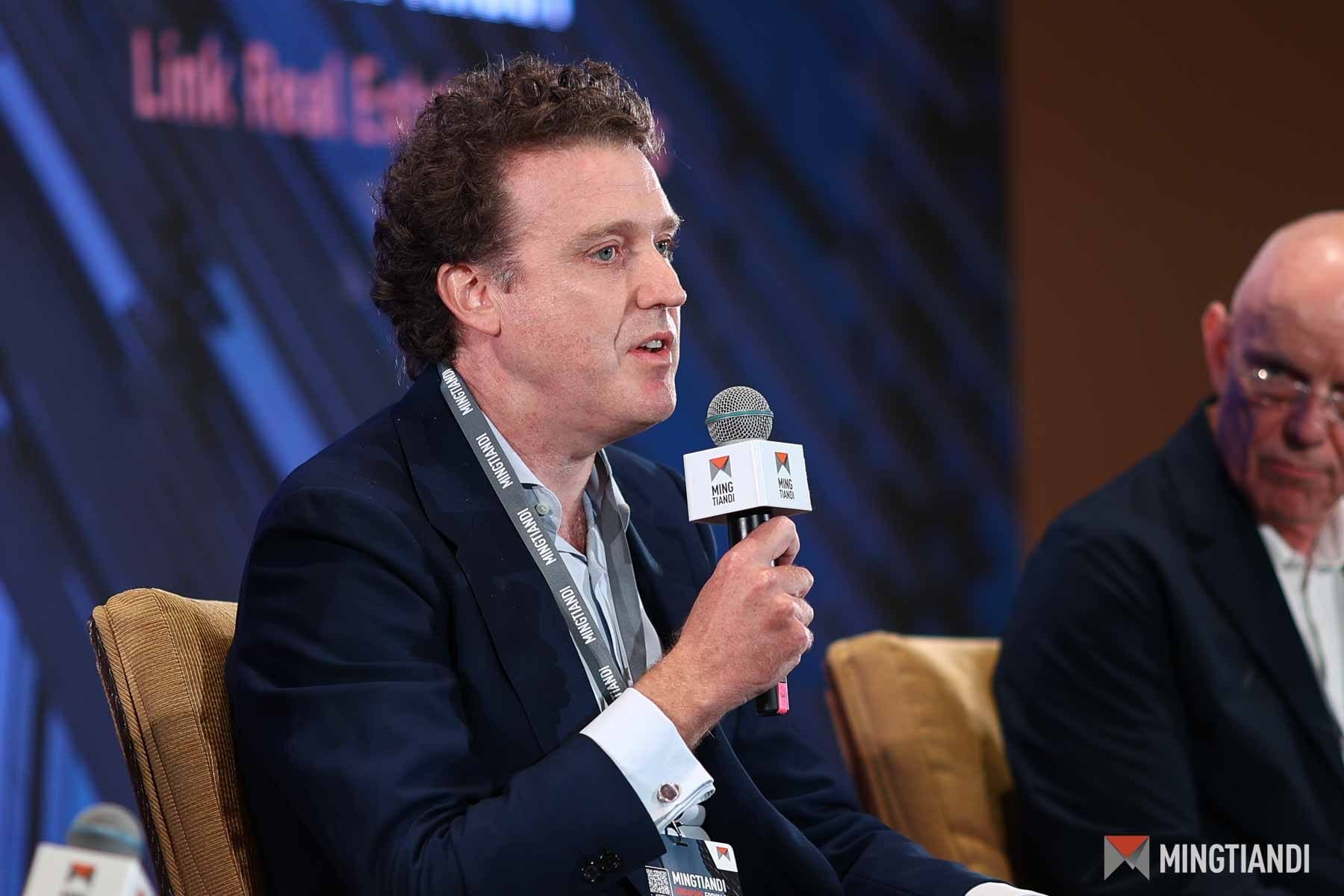
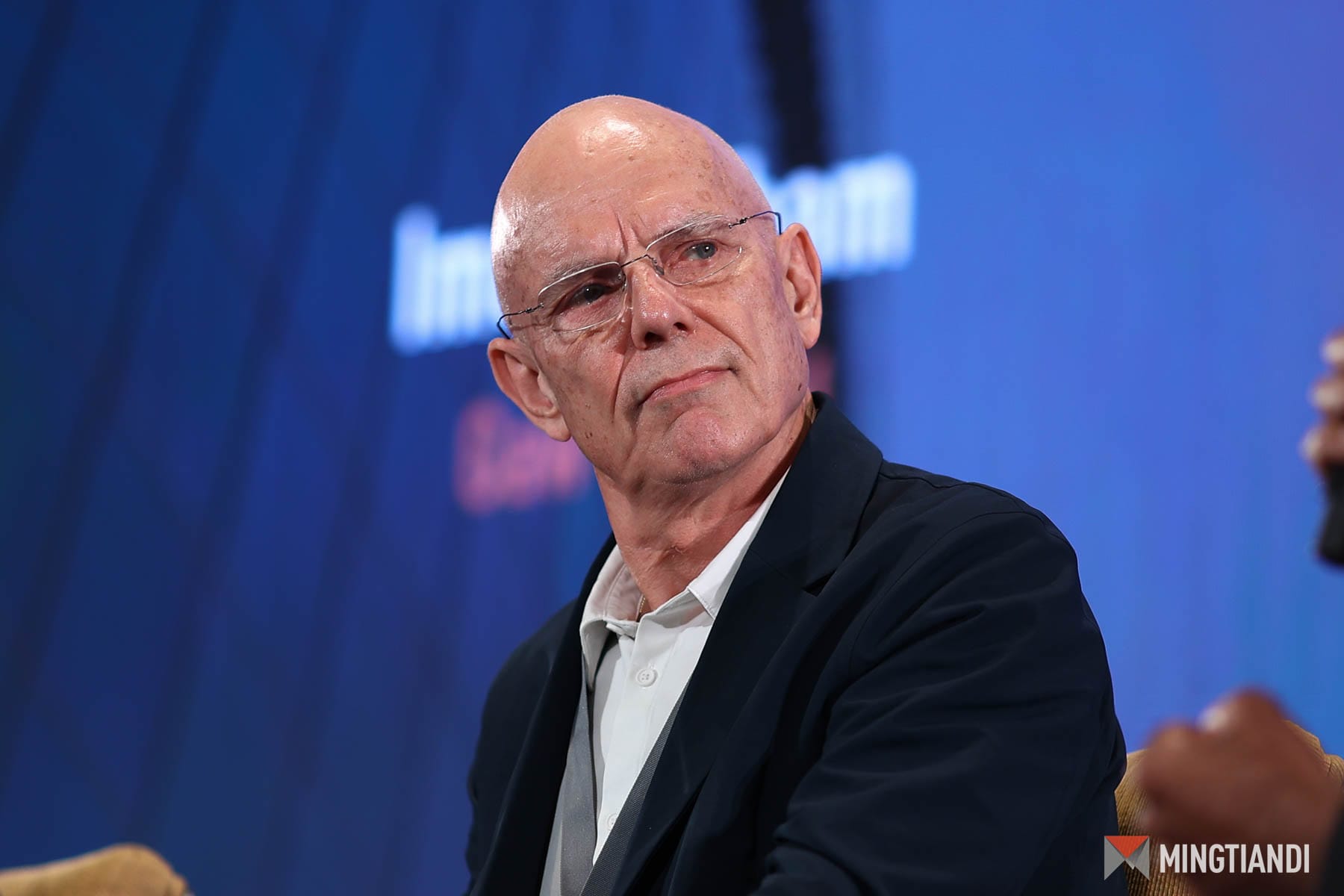
Bart Price, CEO of Vita Partners at the Mingtiandi Singapore Forum (Image: Mingtiandi)
“We have really seen a lot of liquidity in both the Singapore and Japan markets,” Tham told the audience. “The setup is a little bit different in both markets, but the behaviour of the investors are quite similar. They are quite selective in what they’re looking for and really looking for assets that are high quality, have cash flow visibility and are defensive.”
In Japan, rising interest rates are compressing the positive carry that had driven strong capital inflows, and investors are now adopting a more conservative approach to underwriting, including pricing in potential cap rate expansion on exit, Tham said. Retail in Singapore and Australia is also attracting capital, with investors focused on well-located, income-secure suburban malls.
Khatri added that Hong Kong was a market that could surprise, with central business district office rents having recovered five to ten percent over the last six months — a significant shift even though vacancy remains elevated — and mainland China potentially not far behind.
Life Sciences Appeal
Bart Price, CEO of Vita Partners, the Asia Pacific life sciences and R&D real estate platform established by Warburg Pincus and Lendlease, said the sector offered investors a combination of income resilience and above-inflation rental growth that is proving increasingly attractive relative to conventional office.
“Tenants in our space are undertaking significant R&D innovation and in some cases manufacturing at the same time. The result of that is they’re often spending significantly on the fit-out and in many cases that’s multiples of what the building is actually worth. That in turn drives income resiliency and ability to grow rents at above inflation rates,” Price said.
Because life sciences and R&D assets were less familiar to many investors, they traded at higher cap rates than equivalent office assets, offering a further return premium on top of the income resilience, he added. Vita, which has more than S$2 billion in assets under management in Japan and Singapore, currently acquires existing properties suitable for conversion rather than developing from scratch, given that replacement costs exceed acquisition costs for most assets in the sector.
Data Centre Caution
Several panellists called the data centre sector overcrowded, and pointed to challenges to market entry.
“It’s challenging if you’re not an existing player who’s got hyperscaler relationships and has access to powered land,” said Price.
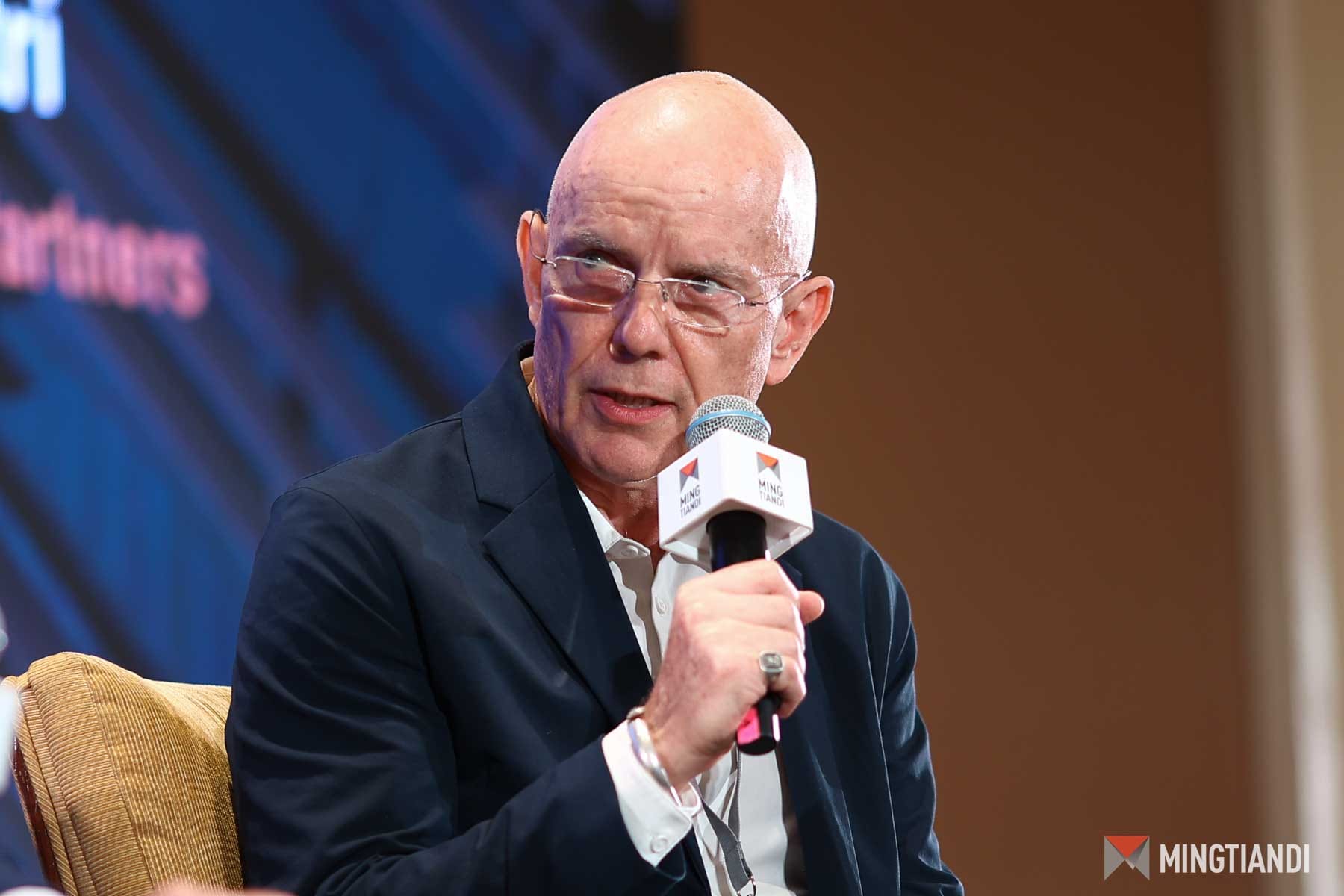
Bernie Devine, senior director for Asia Pacific at real estate software firm Yardi, said the sector’s focus on GPUs was a distraction from the real constraint — power supply — and that unresolved issues around general computing added further uncertainty to the medium-term outlook.
Khatri agreed, noting that the pace of technological change made it very difficult to forecast power and cooling requirements three to five years ahead. “I’d be more cautious midterm on it,” he said.
Tham pointed to high-end offices in the Japanese capital as the market segment most at risk from aggressive competition, saying that, “The offices in prime districts in Tokyo would be a little bit overcrowded at this point. There’s a lot of capital looking for assets in the area and cap rates have compressed.”
Stagflation Risk
The panellists identified renewed inflation and the risk of higher interest rates as the principal short-term threat to the recovery, with Devine raising the prospect of stagflation if central banks responded to oil-driven inflation by departing from conventional policy.
“The most recent concern I have is that it doesn’t resolve, oil goes high and we have inflation. But there’s always the risk that then central banks might say ‘we’ll take a different approach this time’ and we could end up with stagflation. It’s a long time since we last had it, but there could be a risk,” said Devine.
Tham said the prospect of renewed rate increases was the most pressing concern for investors who had hoped for a sustained period of lower rates after two difficult years.
“We’re just getting out of a high interest rate cycle right now and we were holding our breath for the last two years and finally we see some reprieve in the market. And now with what’s going on in the market — macro uncertainties and a possibility of interest rate increases — that could really put a hamper on our investment activities,” she said.
A Panel in Pictures












Leave a Reply