
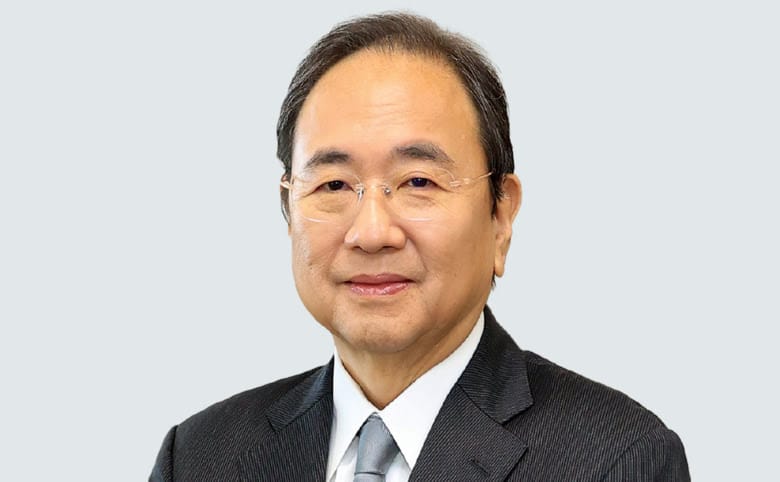
Fuji Media Holdings president Kenji Shimizu
Japanese broadcaster Fuji Media Holdings announced this week that it would consider the introduction of outside capital into its real estate business, bowing to pressure from activist shareholders seeking higher returns.
Fuji Media’s real estate arm comprises developer Sankei Building, hospitality operator Granvista Hotels & Resorts and nine other subsidiaries, with total assets of JPY 613.1 billion ($3.9 billion), according to a Tuesday filing with the Tokyo Stock Exchange. The tentative plan includes the “possibility of a complete sale of the business”, said the group led by president Kenji Shimizu.
US-based Dalton Investments has been pressuring the media giant since early last year to spin off its real estate, unwind cross-shareholdings and reform its corporate governance after a sexual harassment scandal. Nikkei Asia reported last week that Dalton, which holds a 7.51 percent stake in Fuji Media, planned to submit a proposal pressing the group to buy back stock.
On Wednesday of this week, Fuji Media outlined plans to repurchase up to JPY 235 billion ($1.5 billion) in shares, but the Tokyo-based group warned: “It is possible that due to market trends or other reasons, the company may not purchase some or all of these shares.”
Turning Down the Heat
In its Wednesday statement, Fuji Media said it had struck a deal with entities linked to another activist investor, Yoshiaki Murakami, to buy back all of their shares, with the move seen as quashing a threatened tender offer that would have boosted their stake to 33.3 percent.
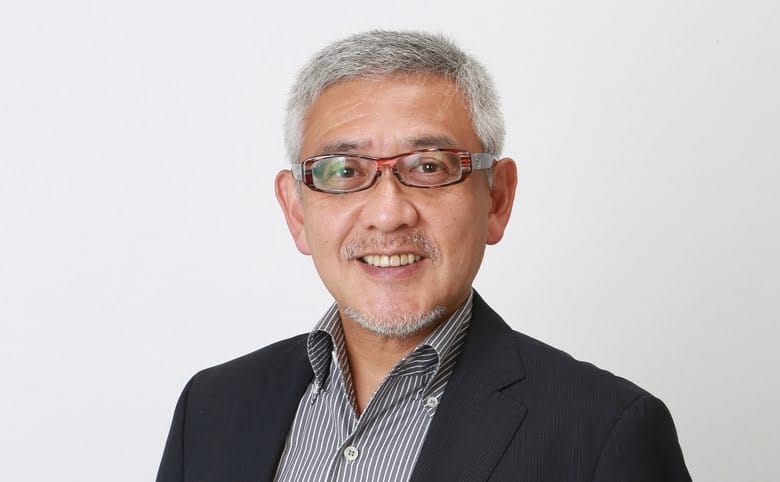
Activist investor Yoshiaki Murakami
“We will improve capital efficiency by combining growth in media and urban development businesses through the introduction of external capital,” Shimizu told reporters in Tokyo.
The Fuji Media saga is taking place amid a wave of investor activism in Japan, with US-based Elliott Management having issued a set of demands to developer Sumitomo Realty last June in a bid to enhance shareholder value.
The firm led by founder and president Paul Singer outlined four key areas of concern — poor shareholder returns, excessive cross-shareholdings, declining capital efficiency and subpar governance — and urged Sumitomo Realty to implement “tangible reforms” like increasing its shareholder payout and setting a credible return target. A plan published in response by the builder in August lacked ambition and urgency, Elliott said in a release.
Previously, Elliott had purchased a stake in Tokyo Gas in 2024. After Elliott urged the city gas provider to boost value by selling some parts of its extensive real estate portfolio, Tokyo Gas last January earmarked assets for sale to fund growth investments.
Unlocking Asset Value
US fund managers have been backing buyouts of Japanese companies with an eye, in part, to unlocking unrealised value from real estate assets on their balance sheets.
After a protracted battle against Bain Capital, KKR in February of last year privatised Fuji Soft in a deal valuing the company at north of $4 billion. KKR had nodded to the systems developer’s property holdings in its original tender offer made in August 2024.
Seven months after the takeover, Mingtiandi reported that Fuji Soft had sold a 14-asset portfolio of office properties to Japan Metropolitan Fund, a KKR-managed REIT, for JPY 68.7 billion (then $463 million). The software maker is leasing back the divested assets.
In the closing weeks of 2025, KKR joined forces with Asia-focused private equity shop PAG to acquire the real estate business of Sapporo Holdings in a deal valuing the property assets and operations at JPY 477 billion ($3 billion).
The deal capped months of bargaining over Sapporo Real Estate after the brewer came under pressure from activist shareholders to streamline its business and shed non-core assets.
Leave a Reply