
Japan’s attractive fundamentals and stable market are attracting real estate investors globally, with the experts from DWS, Orix Life, Gaw Capital and ESG technology startup Goyoh providing insights on top opportunities in the country at the MIngtiandi Tokyo Forum this past week. Watch the full recording>>
Speaking at the event, which was sponsored by Yardi, Keisuke Okano, managing director and head of private asset investment at Orix Life pointed to Japan’s gradual approach to interest rate increases and steady rental growth as providing investors with a safe haven against volatility.
“Currently, interest rates are gradually rising in the Japanese market. But at the same time, rental income is increasing overall and we are not seeing the same rapid increases in cap rates as we have seen overseas,” said Okano. “So prices are continuing to be relatively stable. And from the perspective of ease of investment decisions and risk management, we believe Japan is one of the most attractive markets.”
The industry leaders pointed to office as among the most interesting sectors, with hospitality and residential also looking favourable, while the experts pointed to value-add approaches as providing more attractive returns as borrowing costs rise.
Back to the Office
With rising construction costs deterring new development, and the work from home culture having failed to catch on in Japan, Koichiro Obu, head of Japan real estate and head of Asia Pacific real estate research at German asset management firm DWS pointed to the office sector as a good bet.

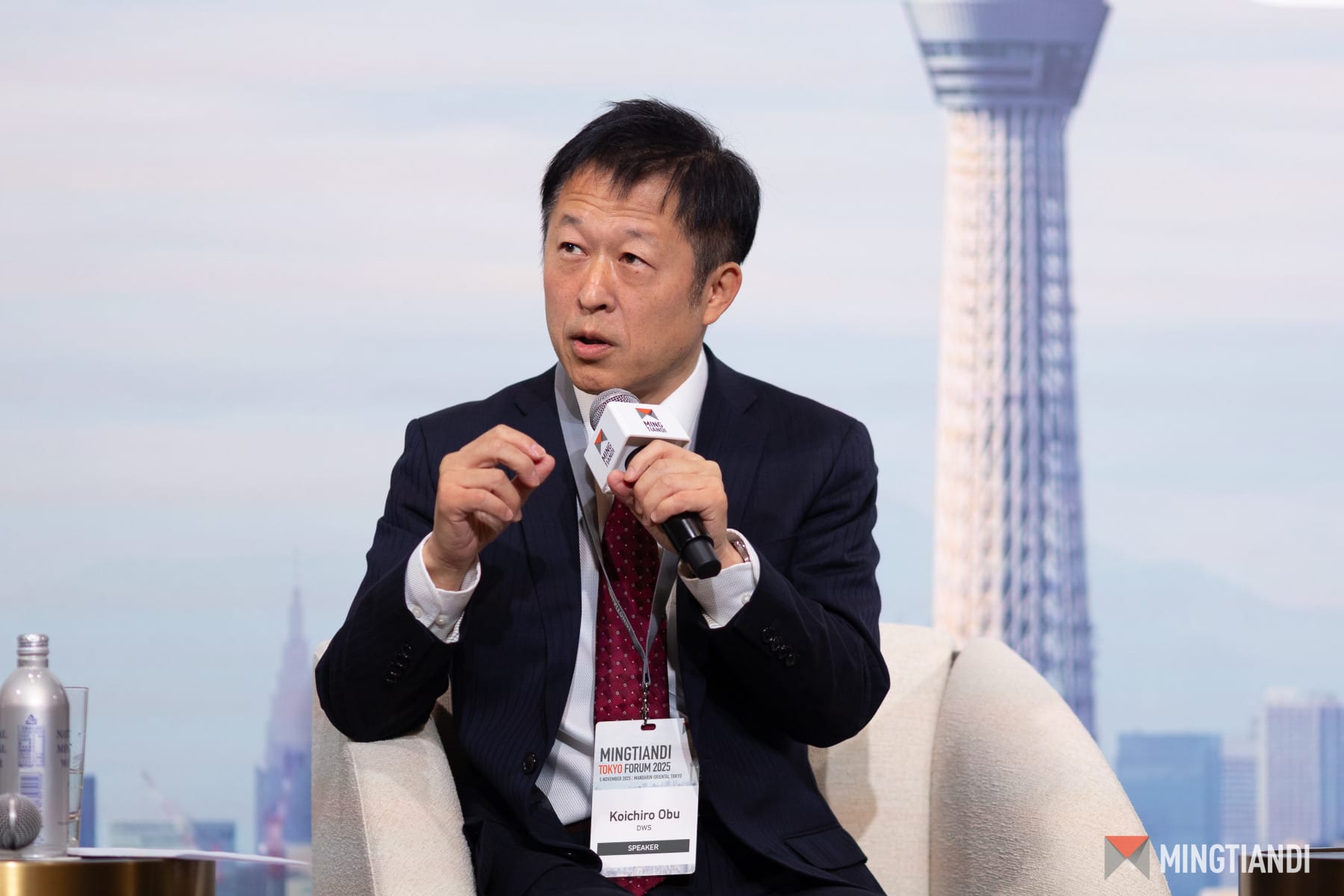
Koichiro Obu of DWS speaking at the MIngtiandi Tokyo Forum
“The office vacancy rate in Tokyo has dropped to close to one to two percent…European investors now reassess Japan as having the strongest demand,” said Obu said, indicating that rents are likely to continue rising.
Orix Life’s Okano noted that employees in Japan come to the office more regularly and that companies are willing to spend substantially on offices to woo talent amid the country’s workforce shortage.
“Office vacancy in Tokyo has been at a high level since 2023, and we understand that new projects are being substantially pre-leased,” Okano said. He added that, “The outlook continues to look encouraging and I think that buildings with good locations and high quality facilities will have the strongest advantages.”
While new projects with high specifications are attracting the most demand, office investors have the opportunity to boost returns from aging properties by improving their sustainability, according to Yukihiko Ito, founder and chief executive of GOYOH, a Japanese startup that provides tech systems to help real estate companies monitor and rank sustainability of their assets.
Approximately 60 percent of office buildings in Tokyo are over 20 years old, however, investors have the opportunity to achieve rents closer to those in new projects by implementing programmes to reduce energy use, improve water efficiency and other improvements.
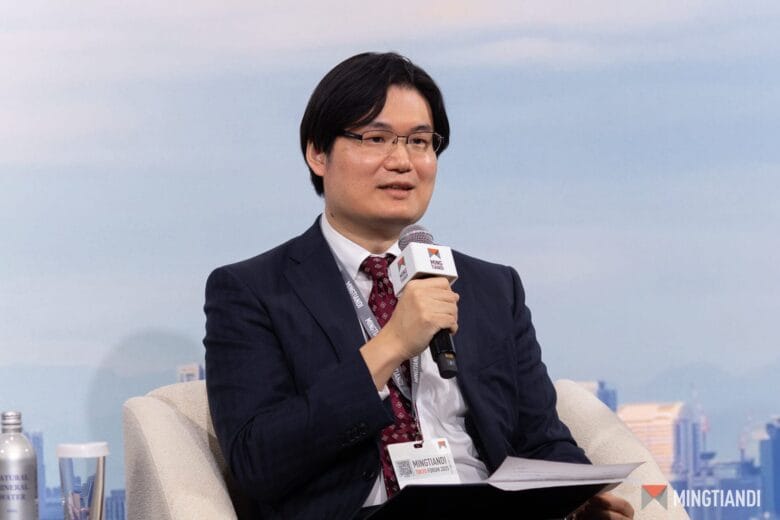
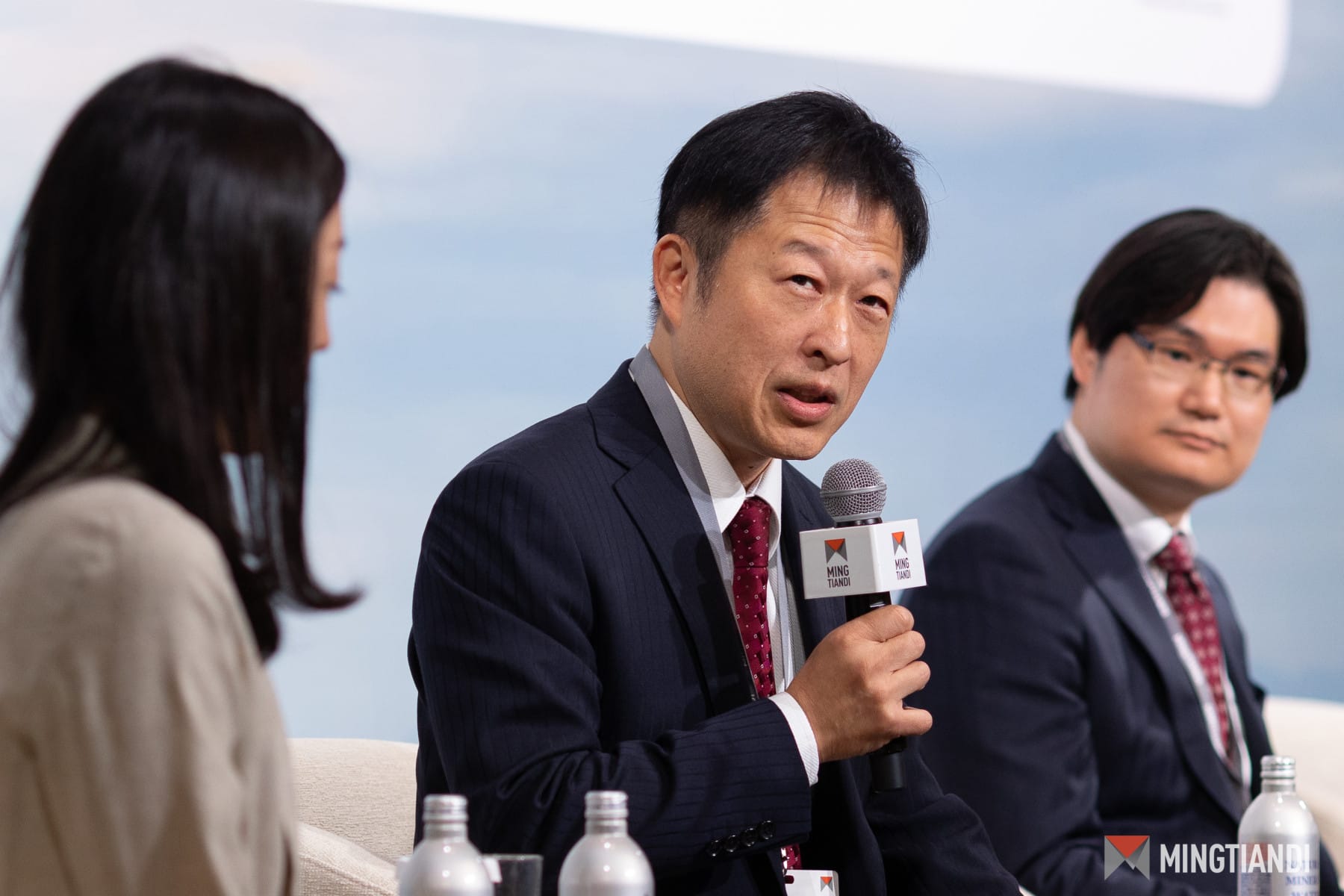
Keisuke Okano, managing director and head of private asset investment at Orix Life
Investors which manage these asset enhancements effectively can also achieve higher occupancy while lowering operating costs for their assets, Ito said.
“When it comes to boosting the return value of real estate, I think there’s still a lot more room to use sustainability as a tool to engage and communicate with tenants. That’s why I believe this will become a key theme moving forward,” Ito said.
Hospitality Welcome, Value-Add Favoured
The hotel sector in Japan is attracting investor attention as the number of tourists visiting Japan continues to increase, said Yoshinori Tajima, senior director of investments at Gaw Capital.

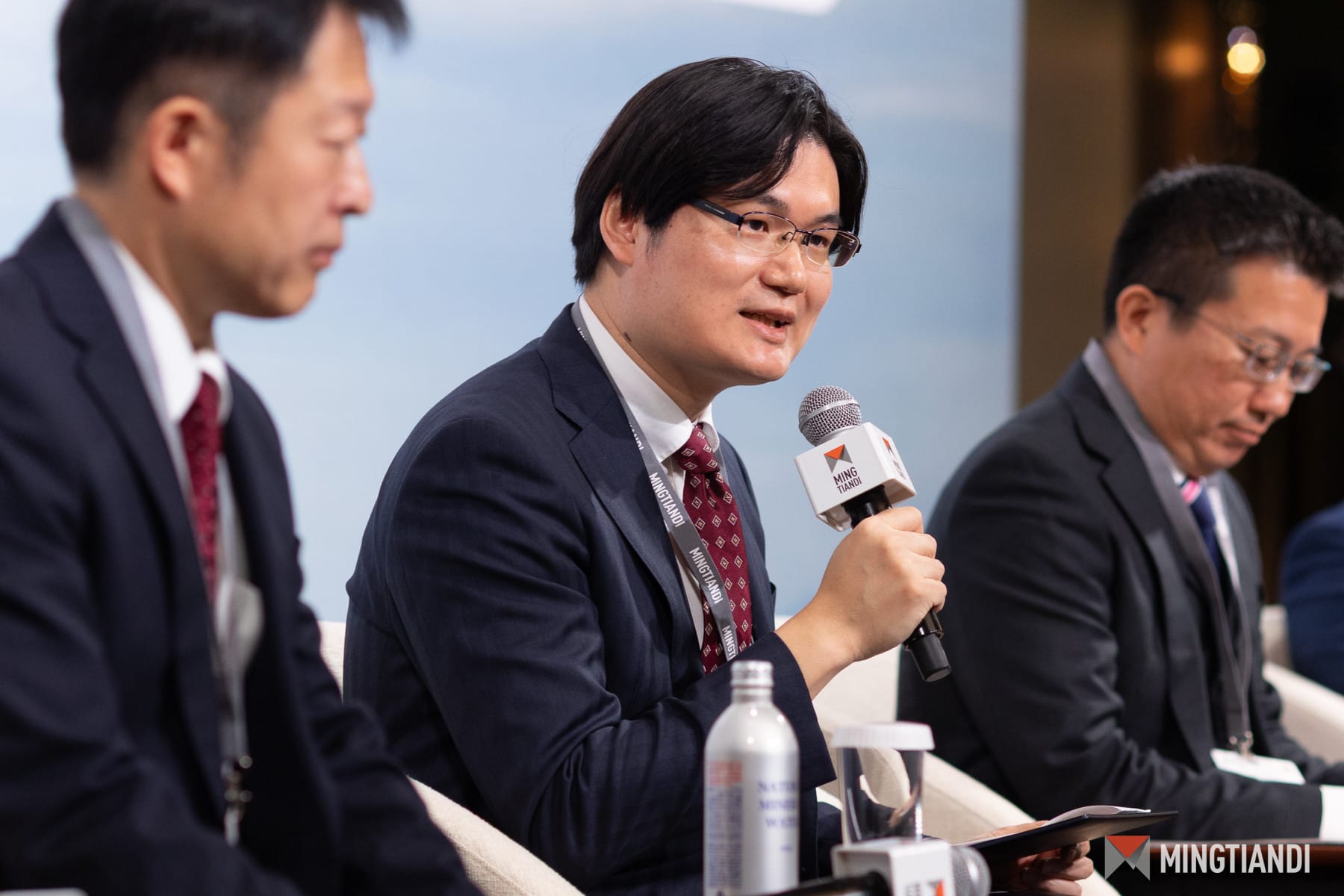
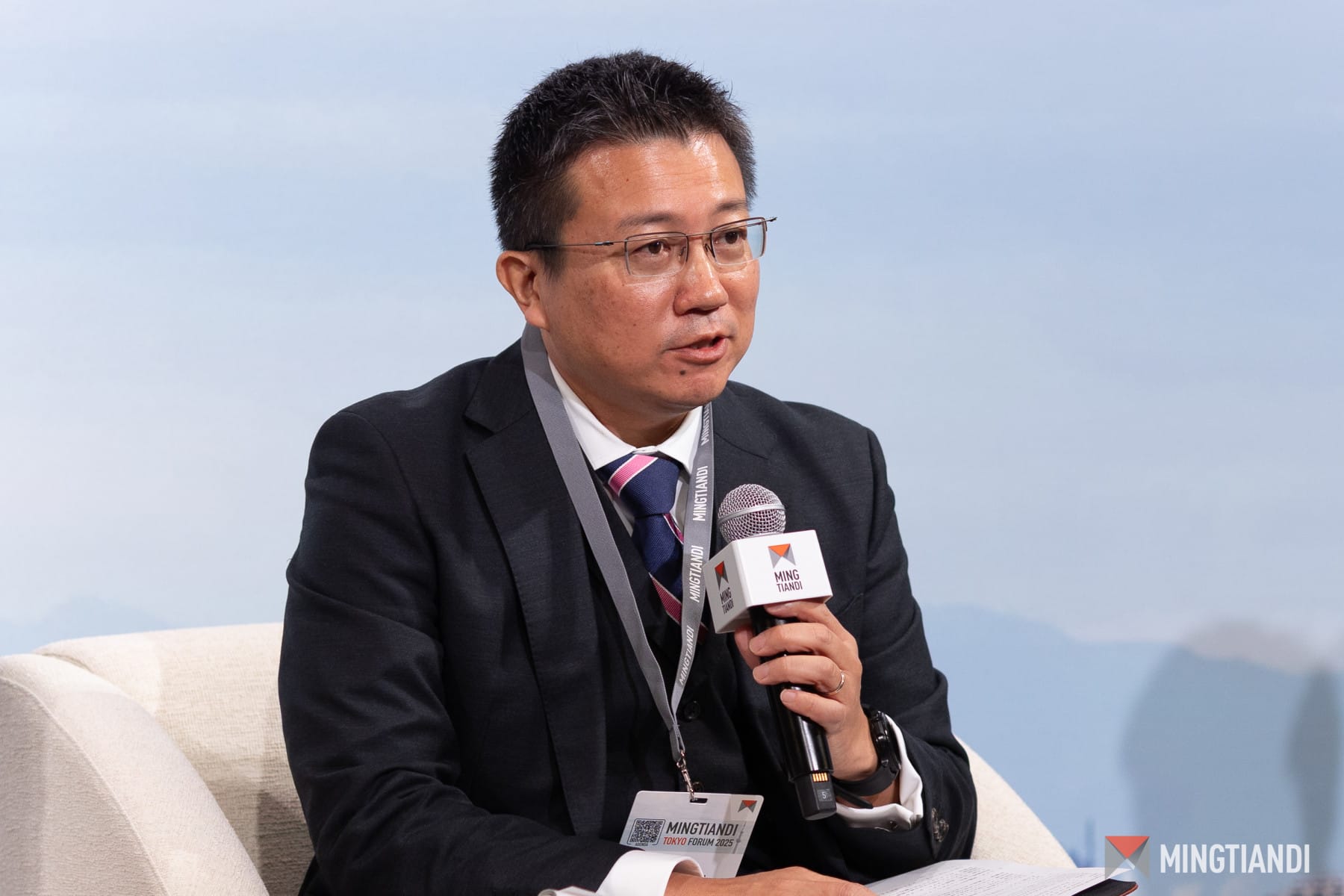
Yoshinori Tajima, senior director of investments at Gaw Capital
“Compared to other sectors, hotels are more adaptable to inflation. By adjusting prices accordingly, owners can generate monthly income in line with market conditions, making management much more straightforward. Rather than focusing on mitigating volatility, this allows us to adapt dynamically to ongoing market trends,” Tajima noted.
Across sectors, Orix’ Okano said that Japan’s rising interest rates are shifting more investors up the yield curve into value-add strategies which hold the promise of higher returns, with the life insurer now targeting 5 to 6 percent returns or higher for domestic real estate investments, after previously recognising a 4 percent threshold.
“Now, in an environment where rent increases are readily accepted, I think the strategy of increasing rental income through value-add real estate strategies is more attractive than ever,” Okano said.
With more international students coming to Japan for education, DWS says it is looking into value-add opportunities in student housing while also looking at ways to boost returns on rental apartments by adding services and management.
“We have analysed the financial budget of international students, including Chinese students, and when we compare this to Japan’s current market, there remains upside potential,” DWS’ Obu said. “Alternatively, we are exploring how to transform conventional multi-family rental residential properties into operational assets.”
A Panel in Pictures









Leave a Reply